Su Medeniyetinin İzinde: Çeşmeler - In the Footsteps of the Water Civilization: Fountains
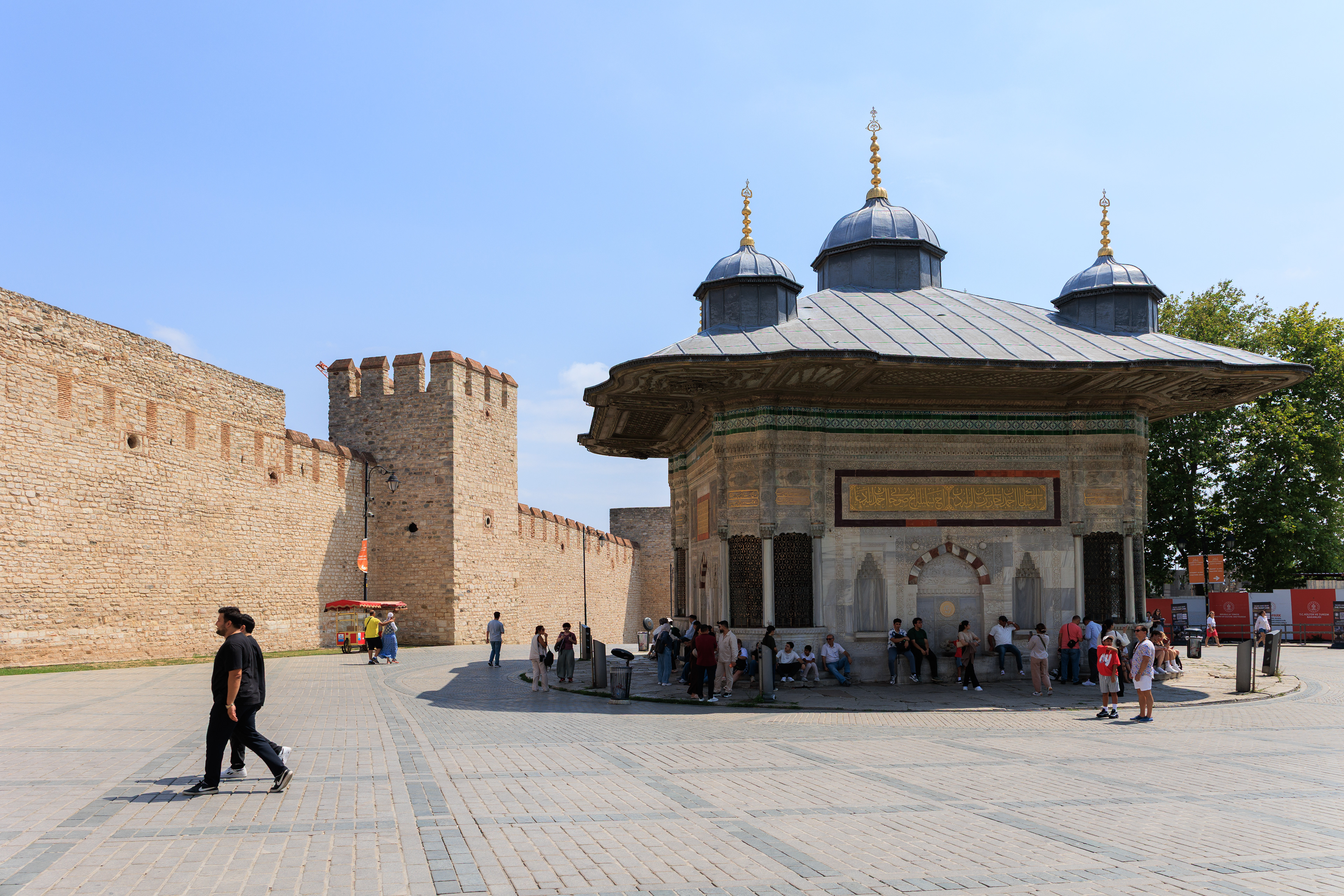
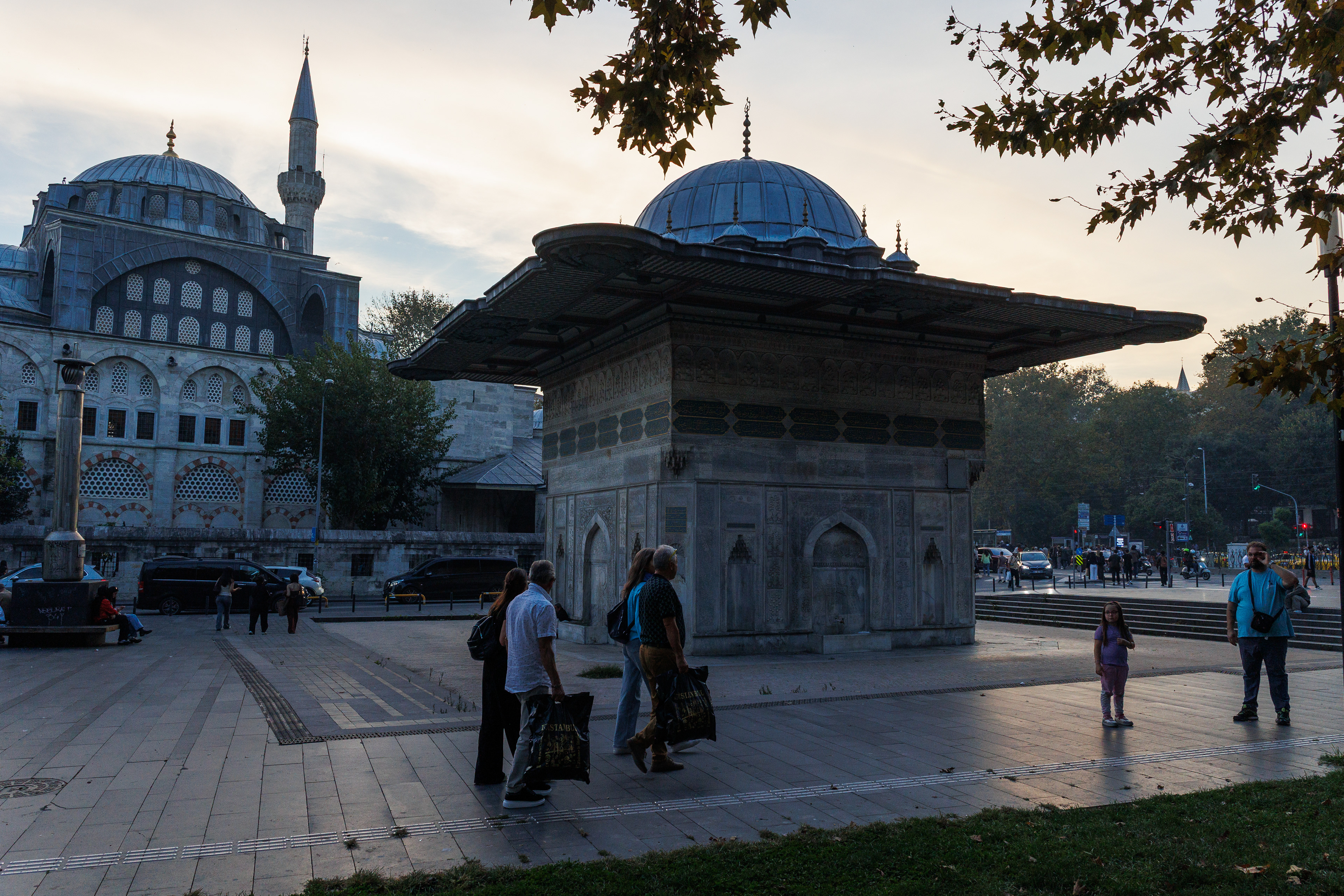
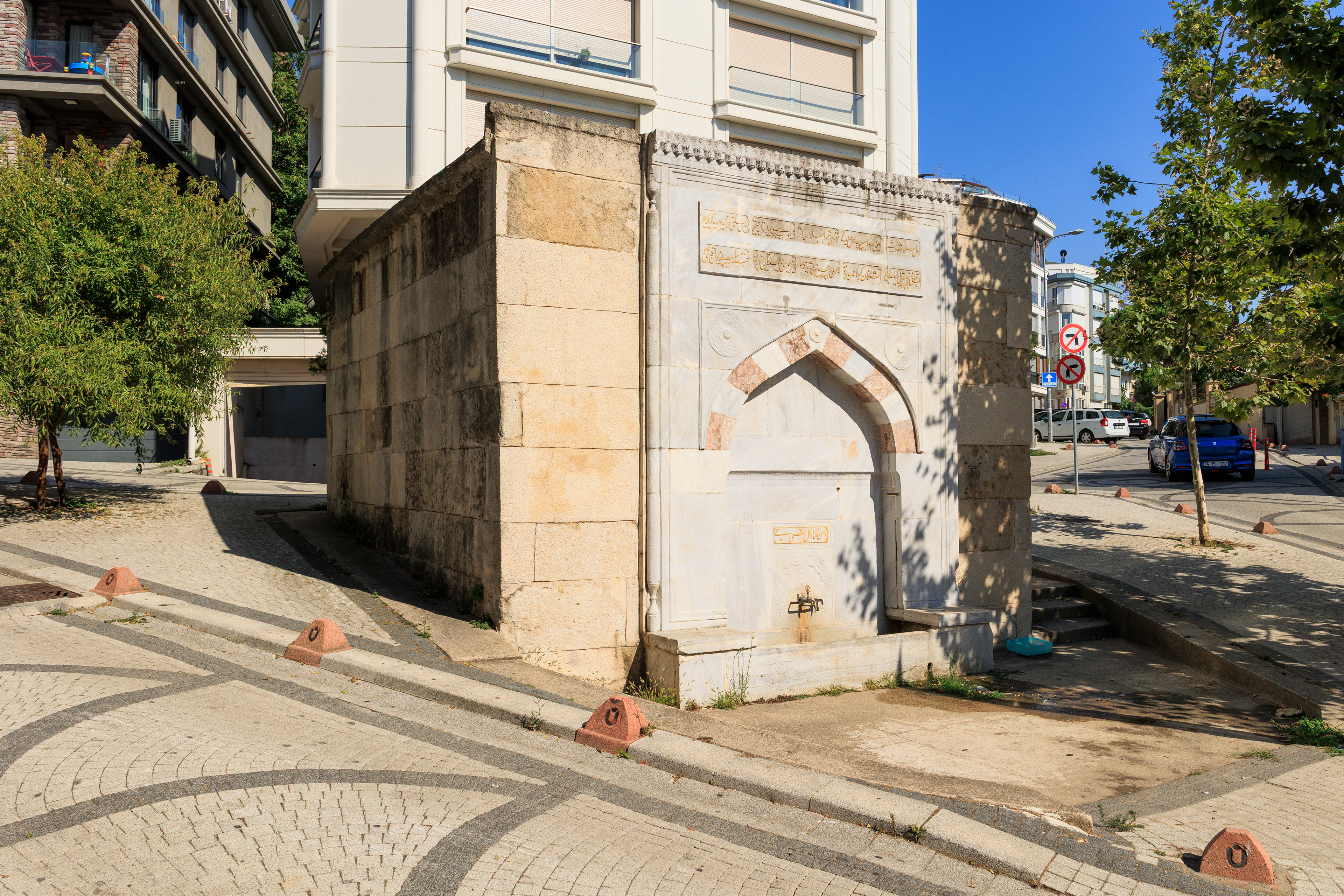
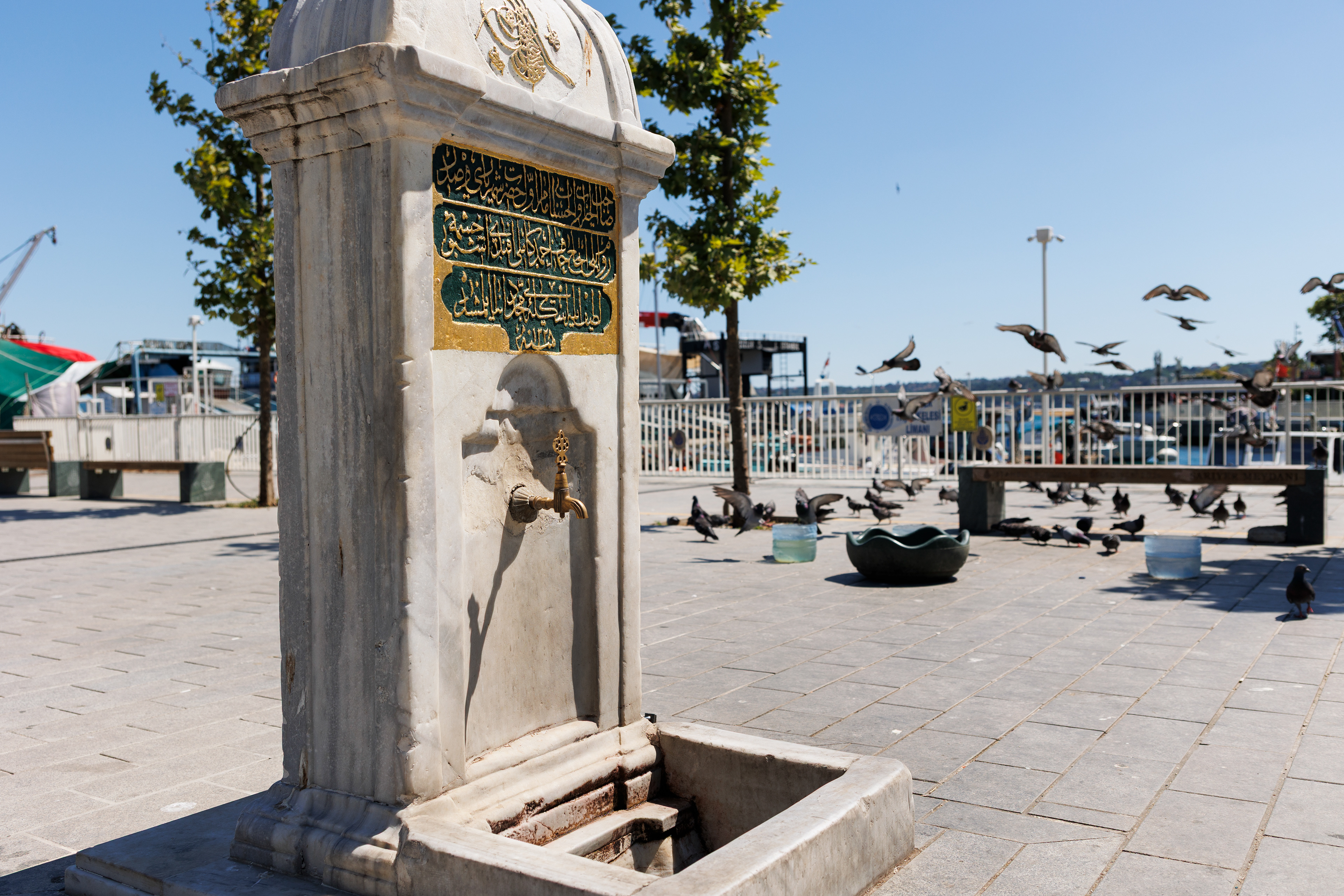
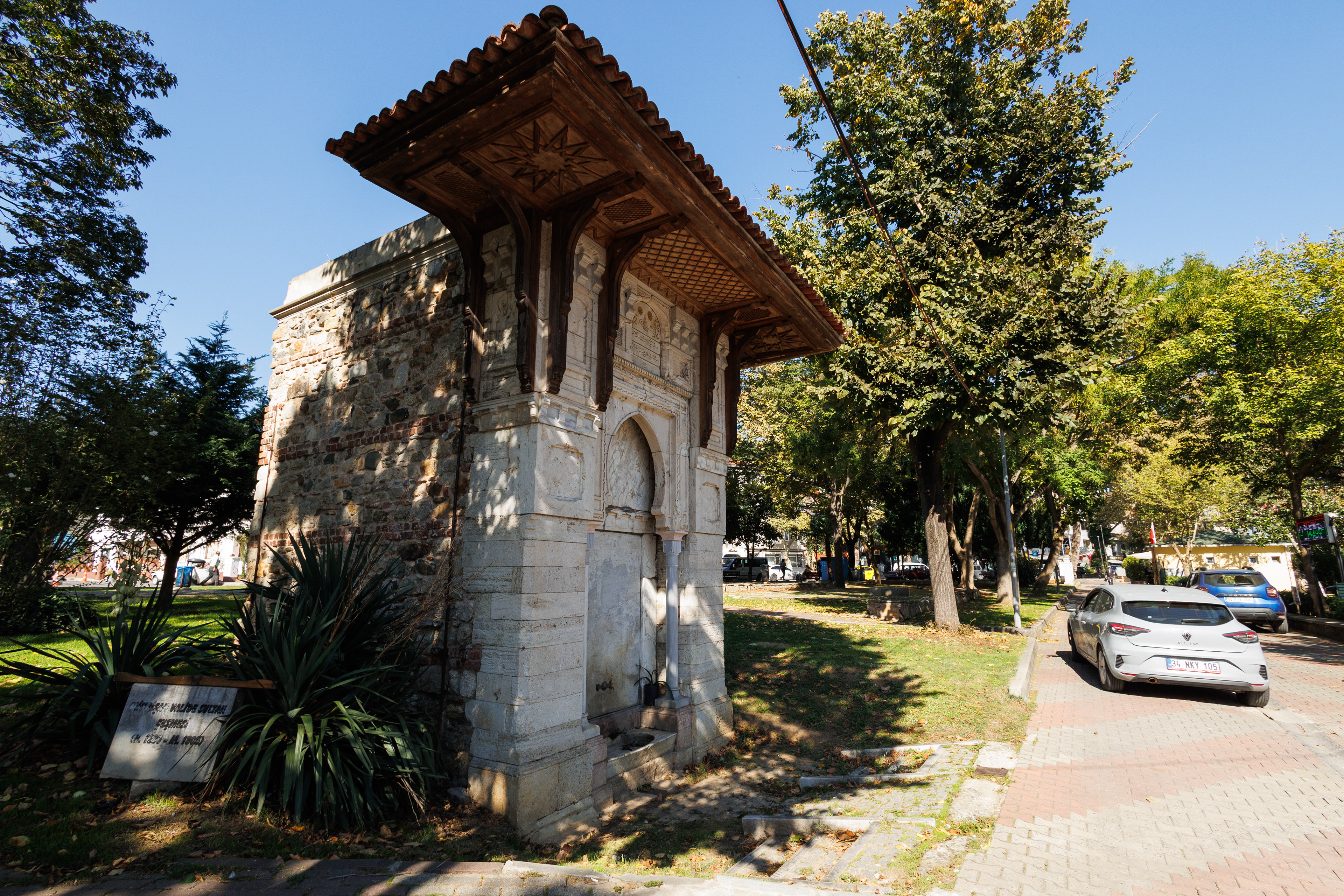
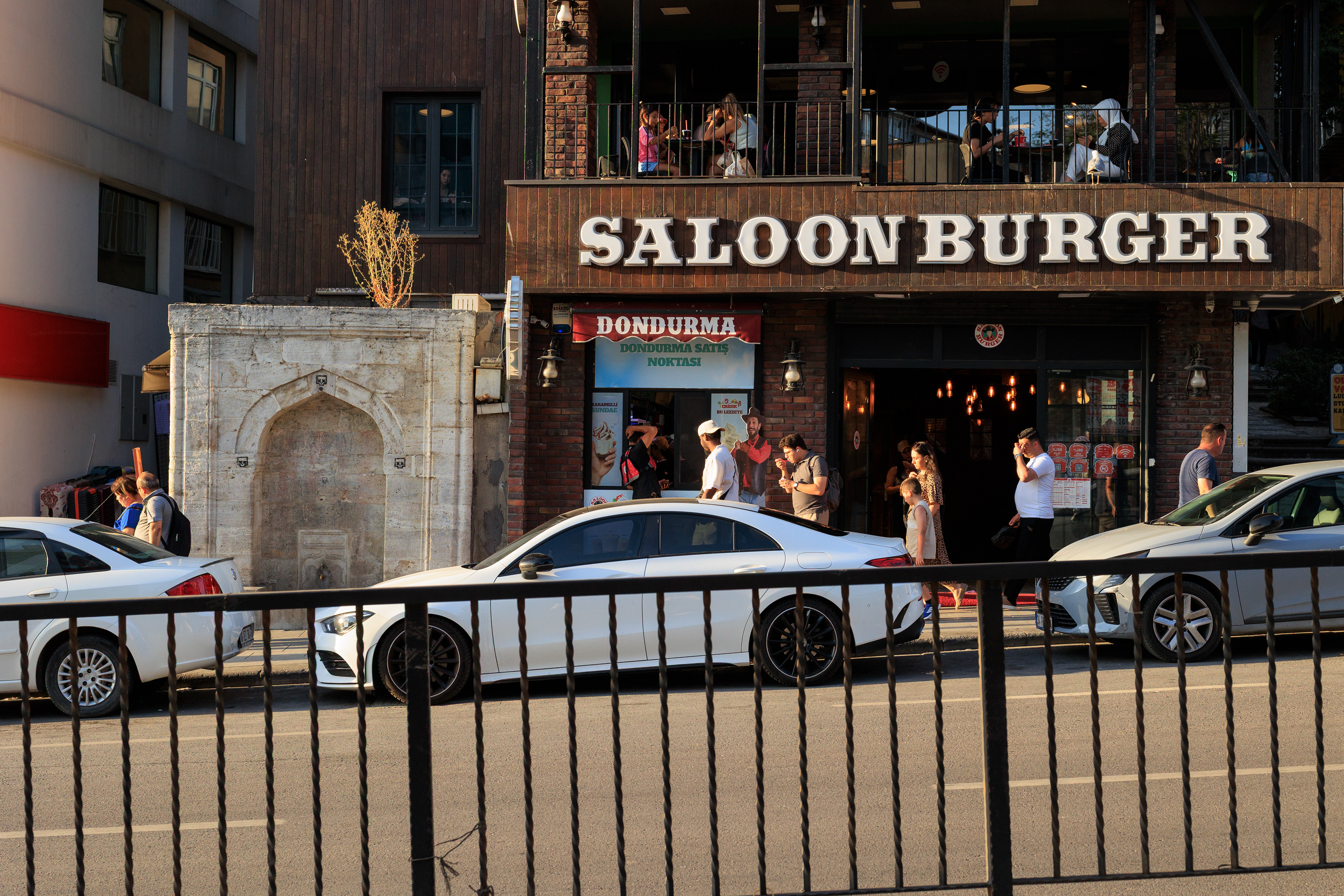
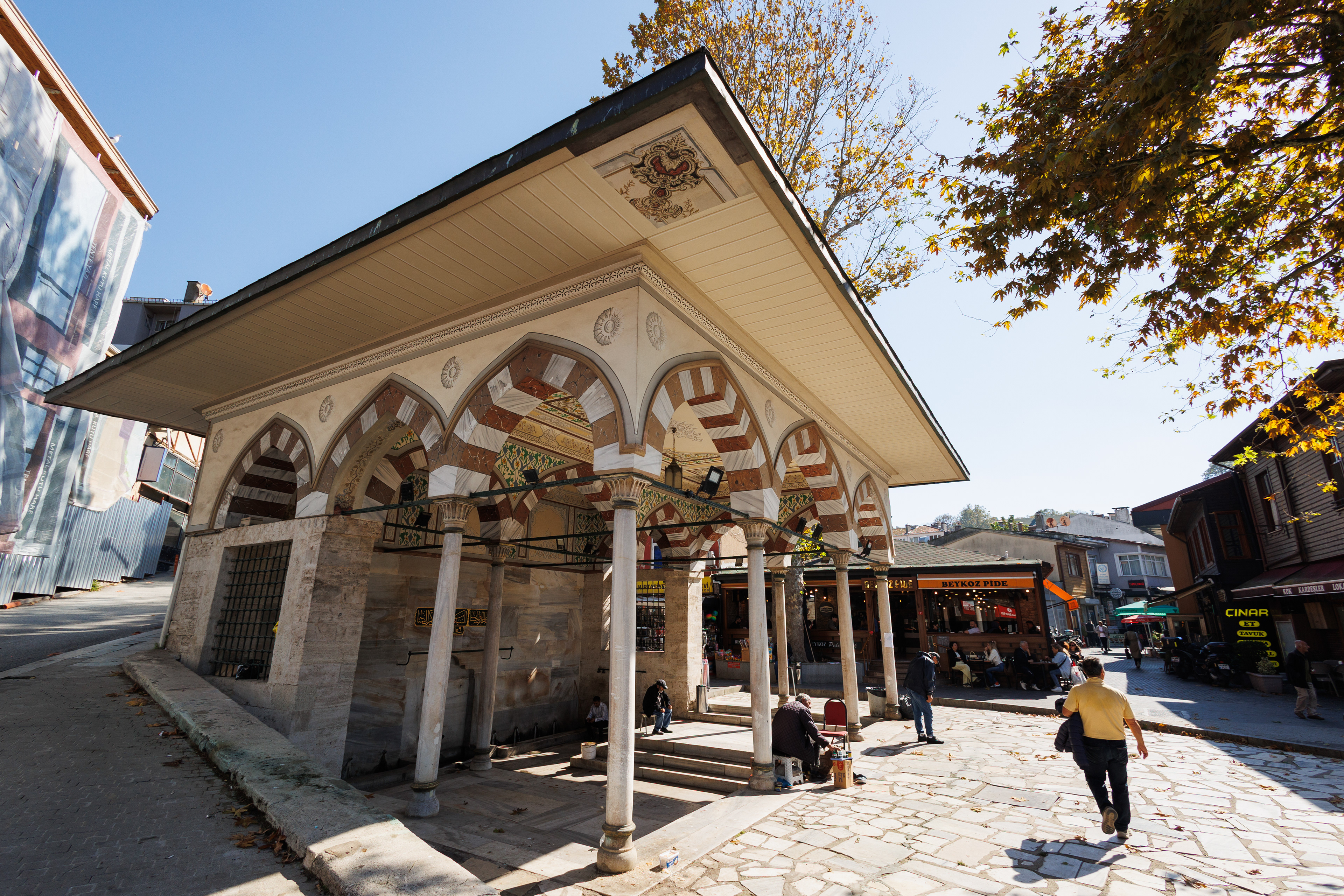
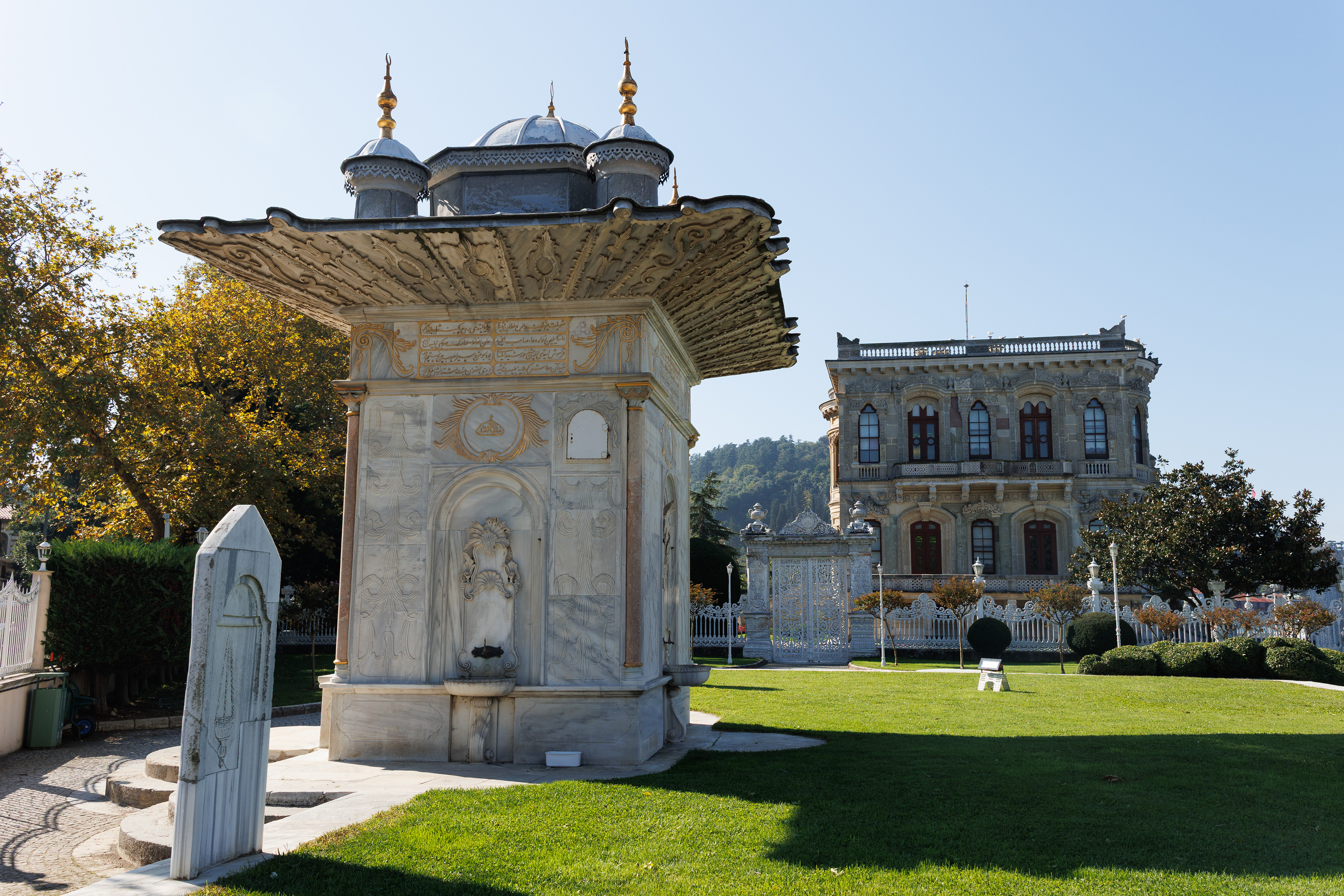
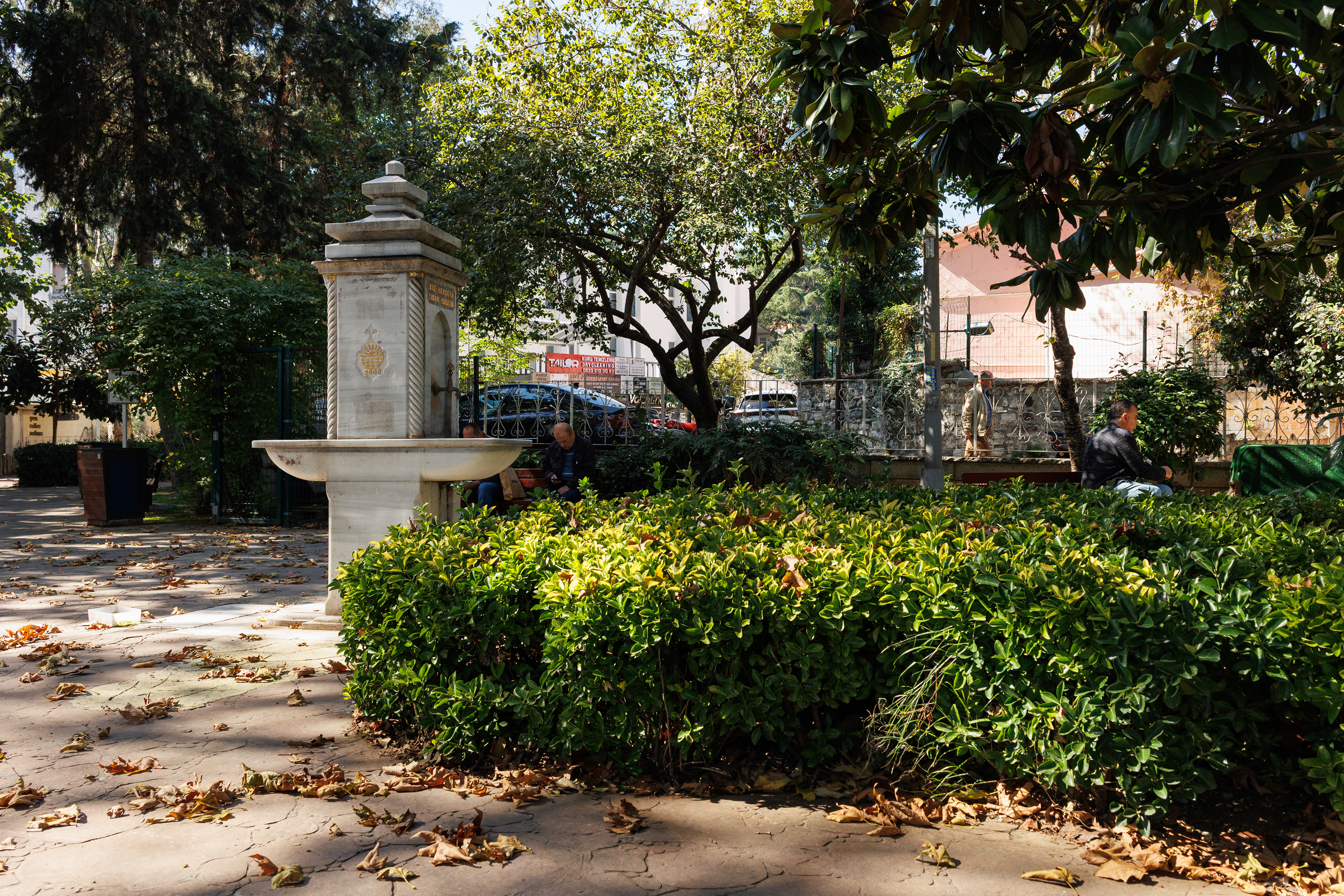
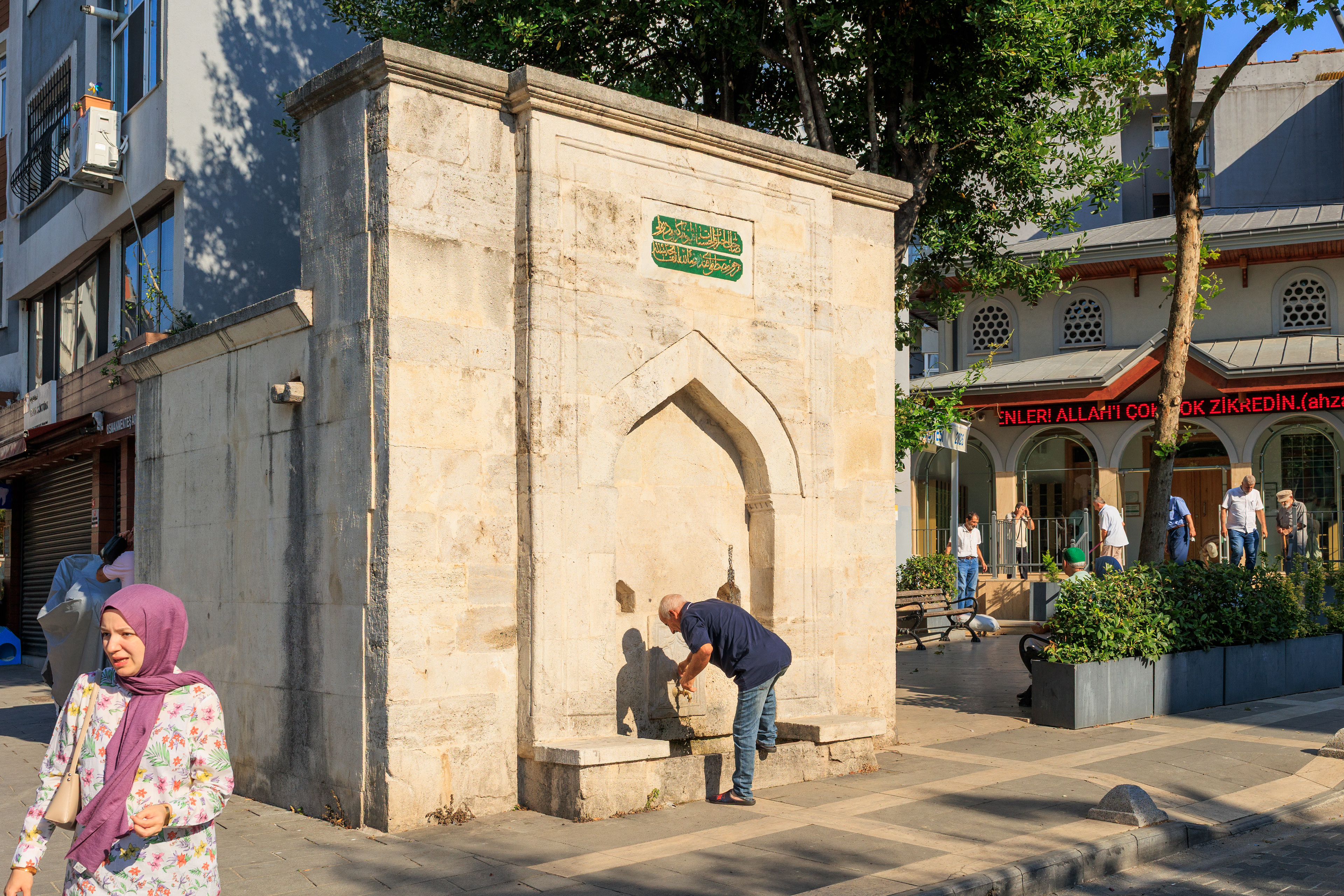
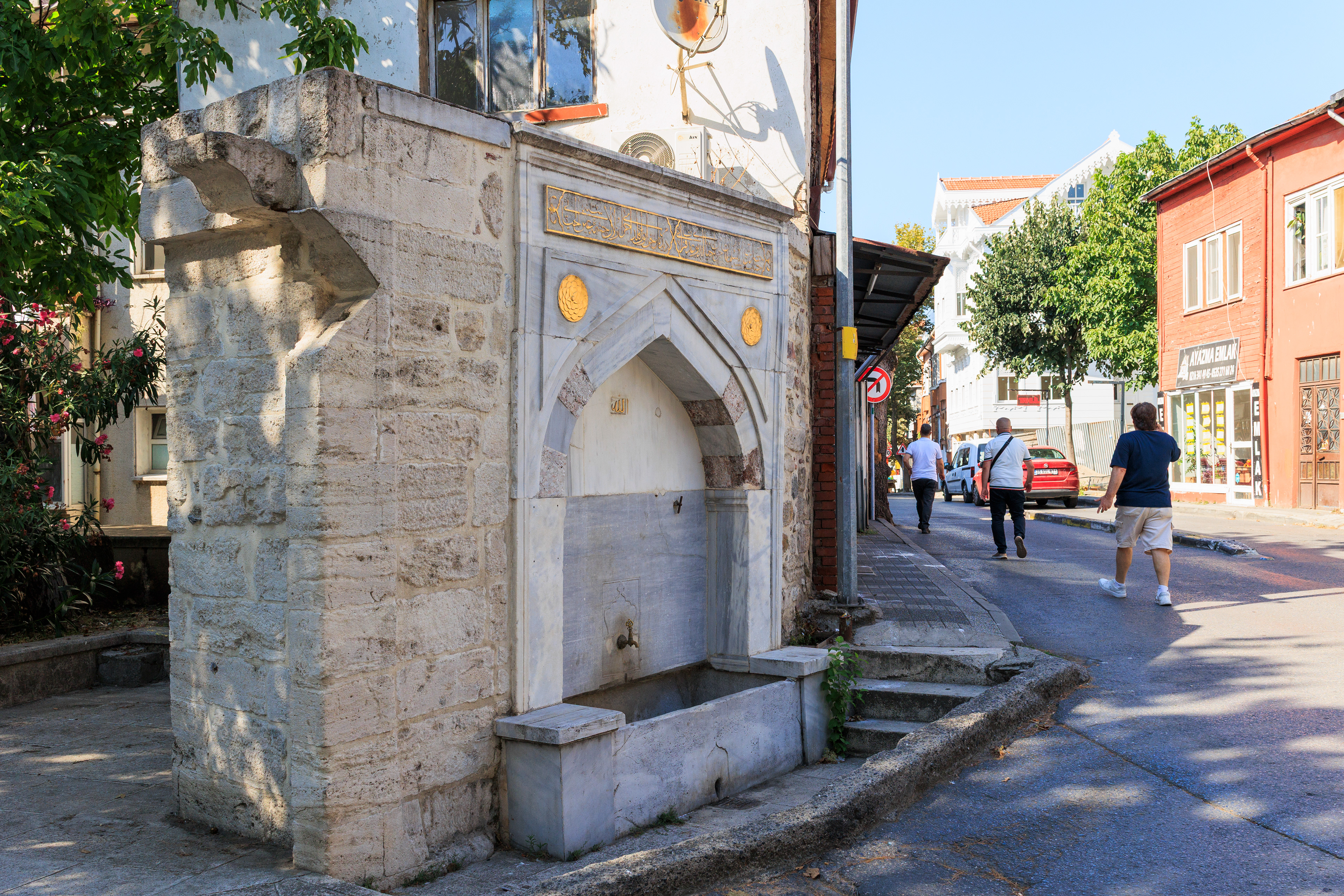
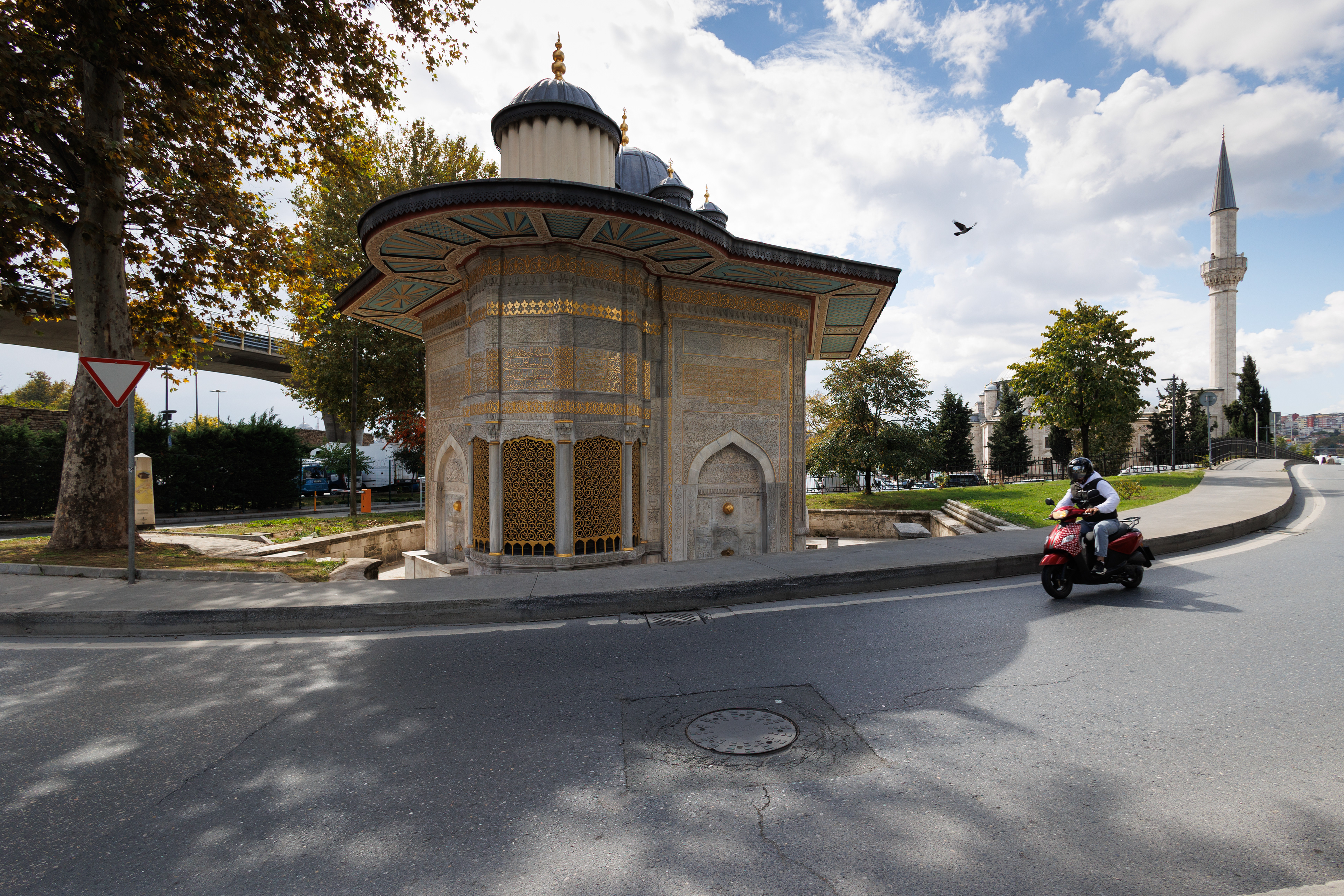
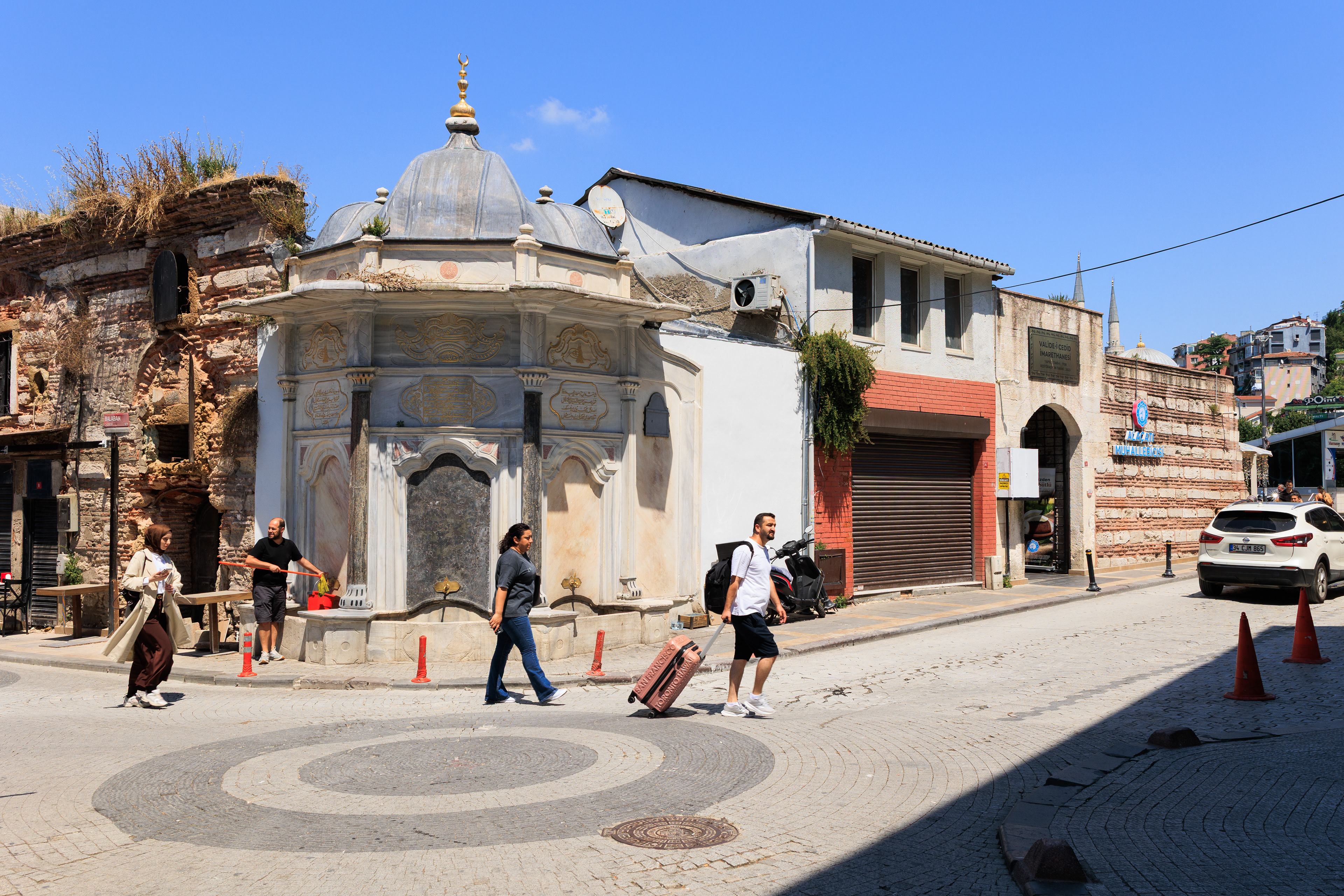
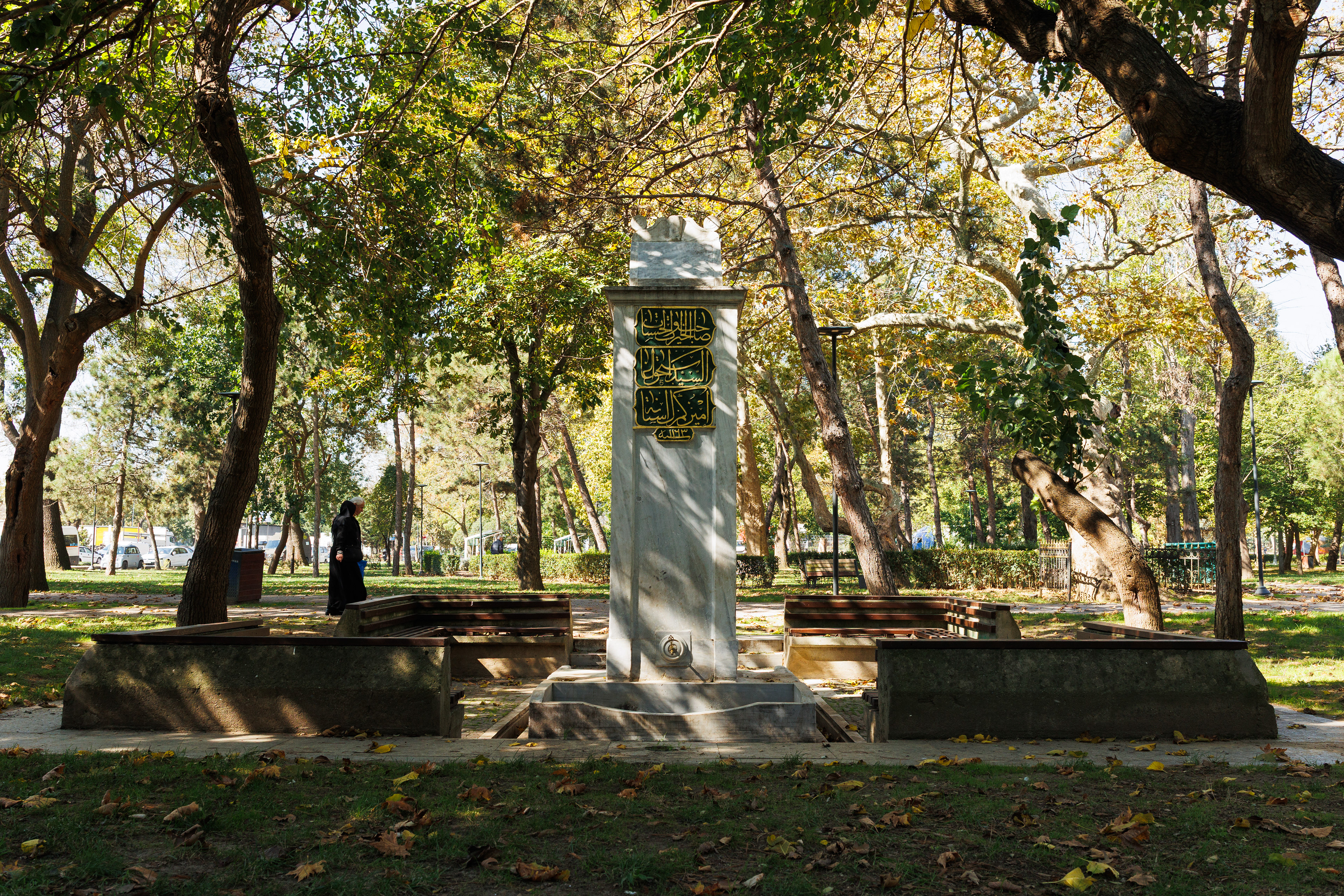
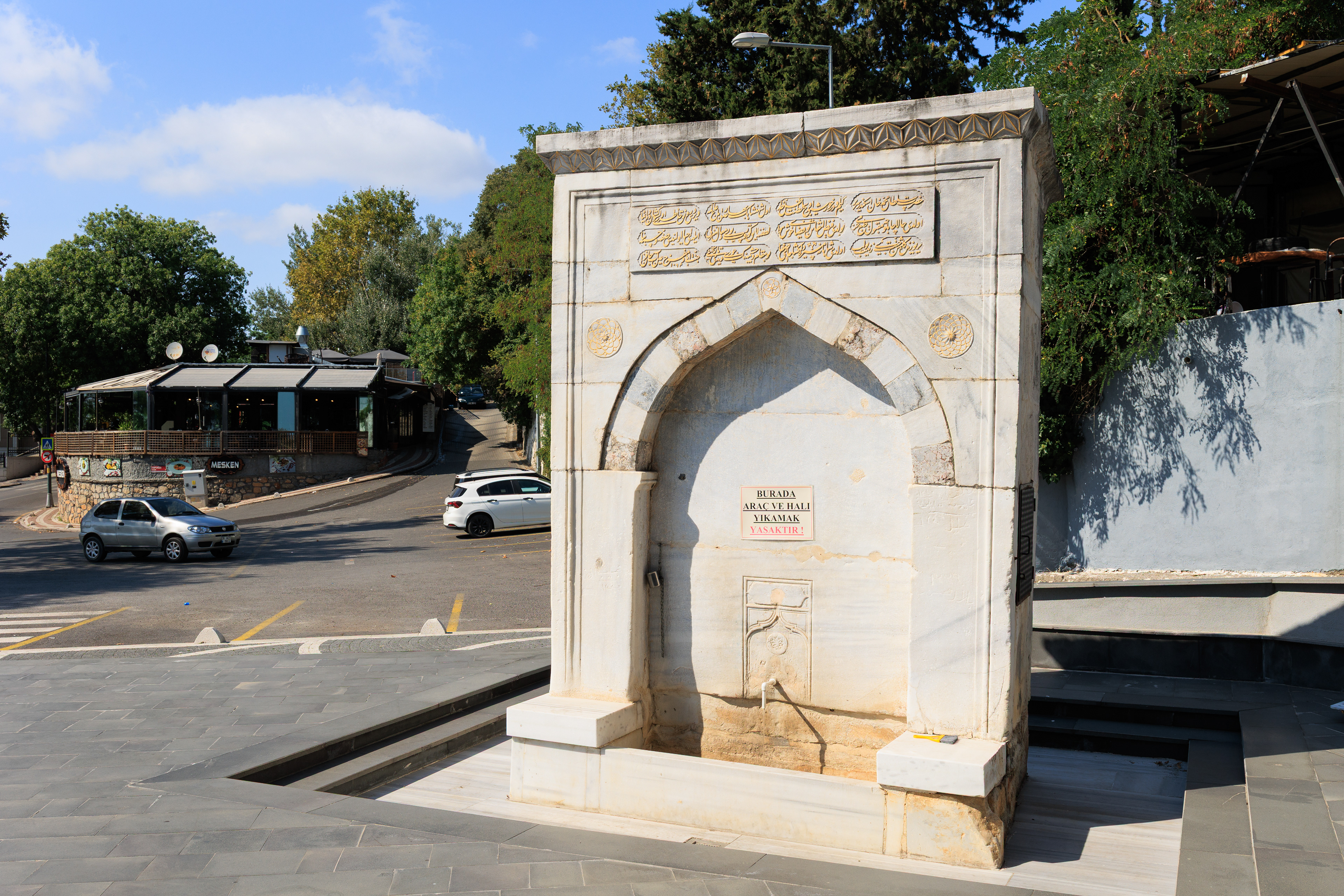
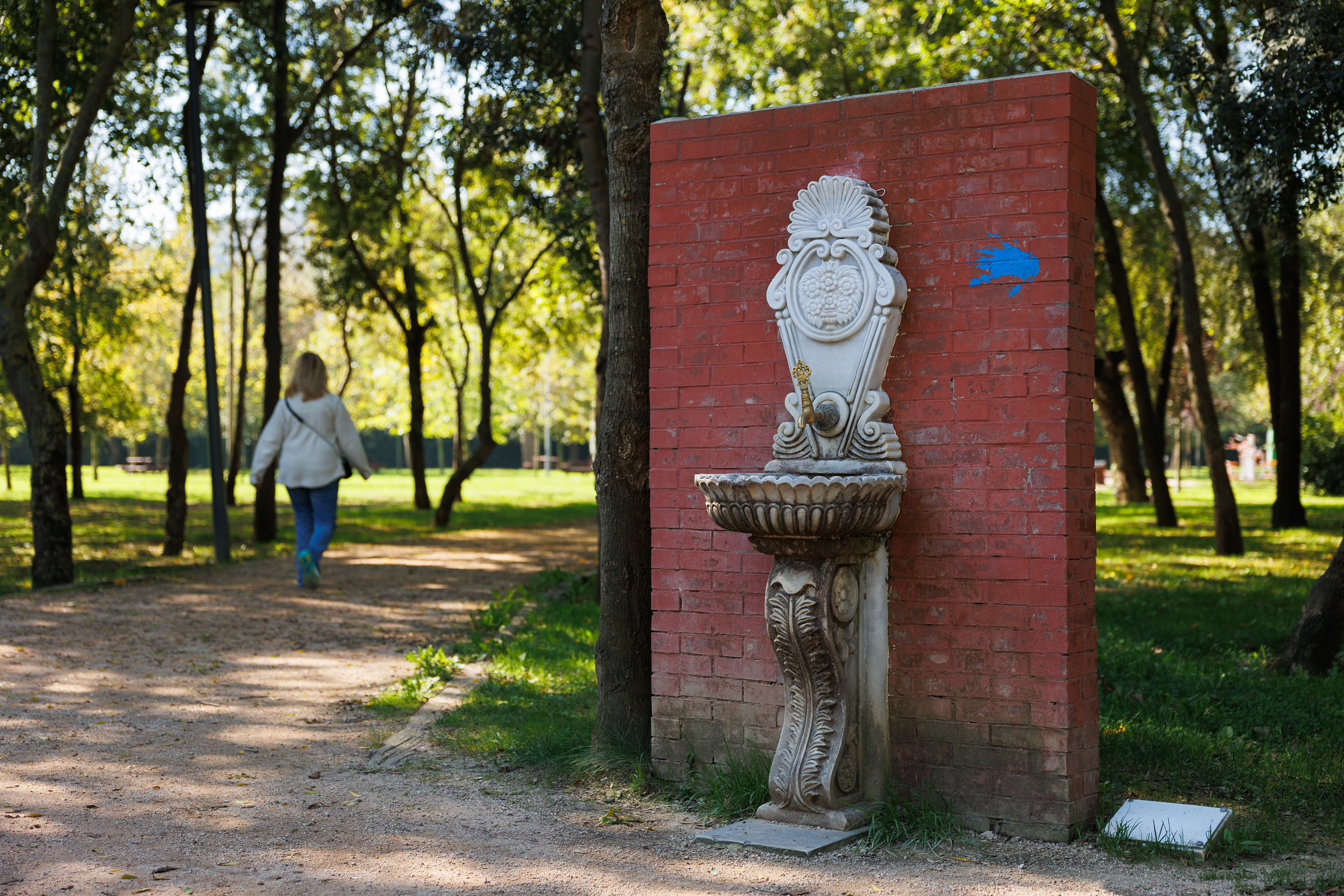
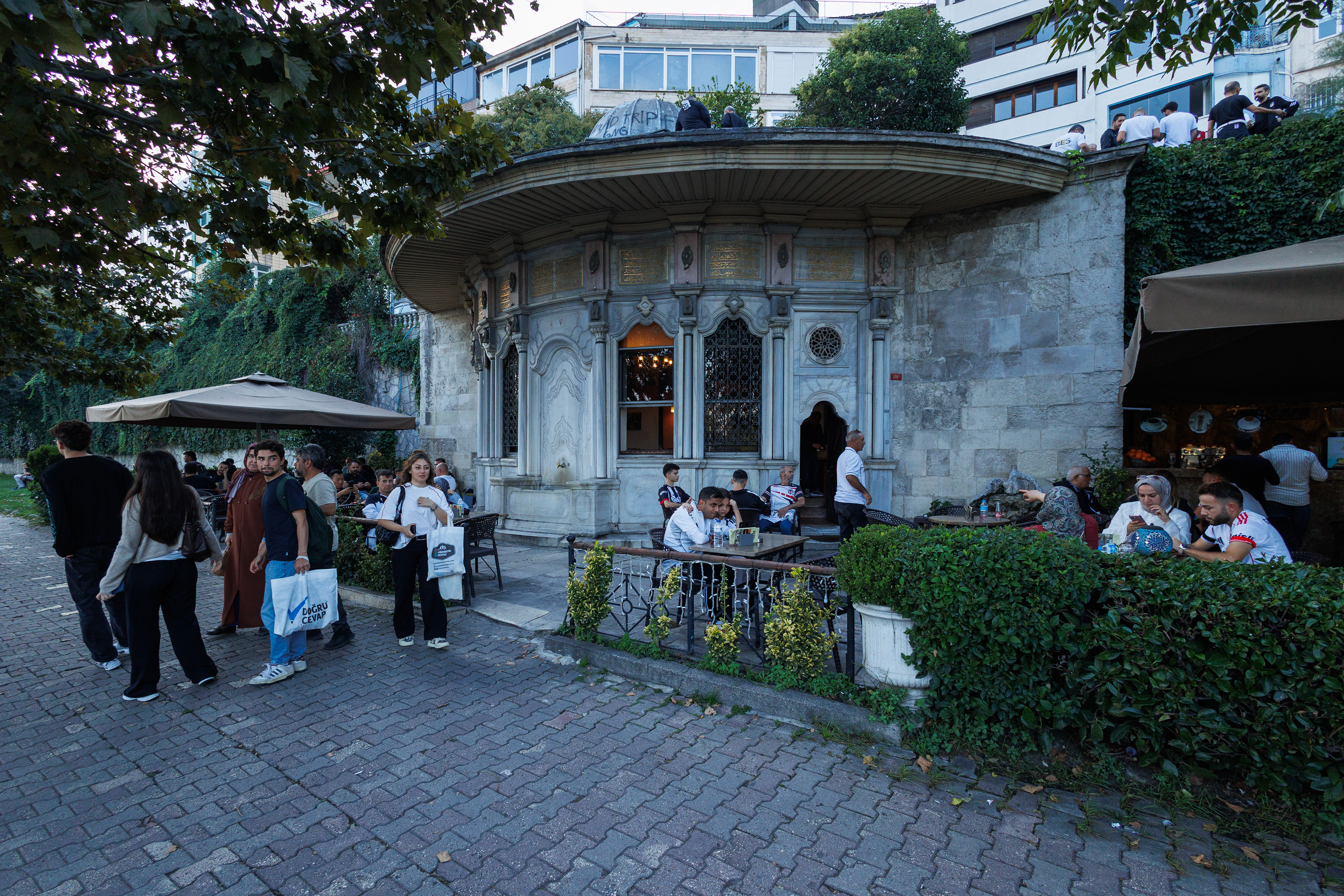
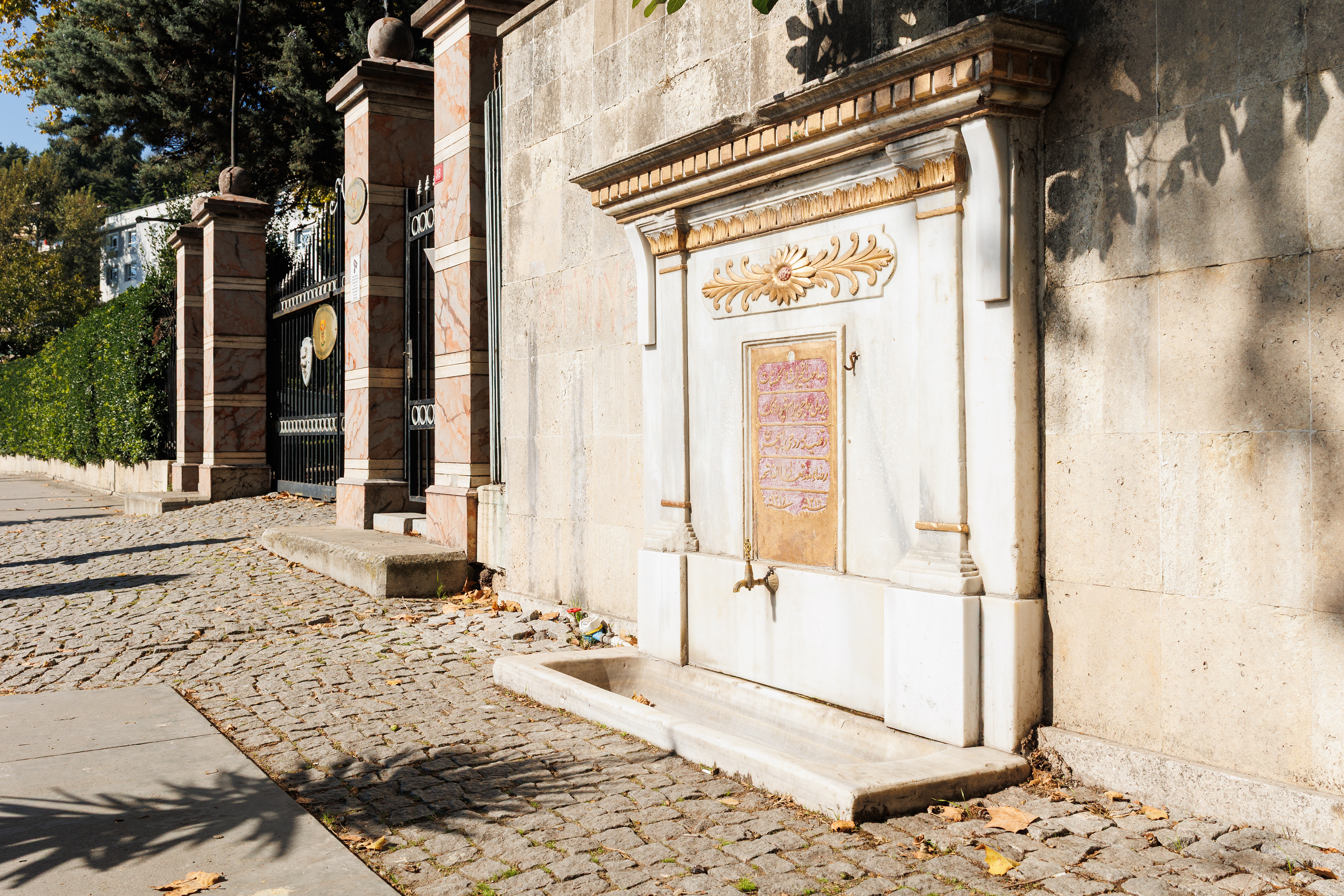
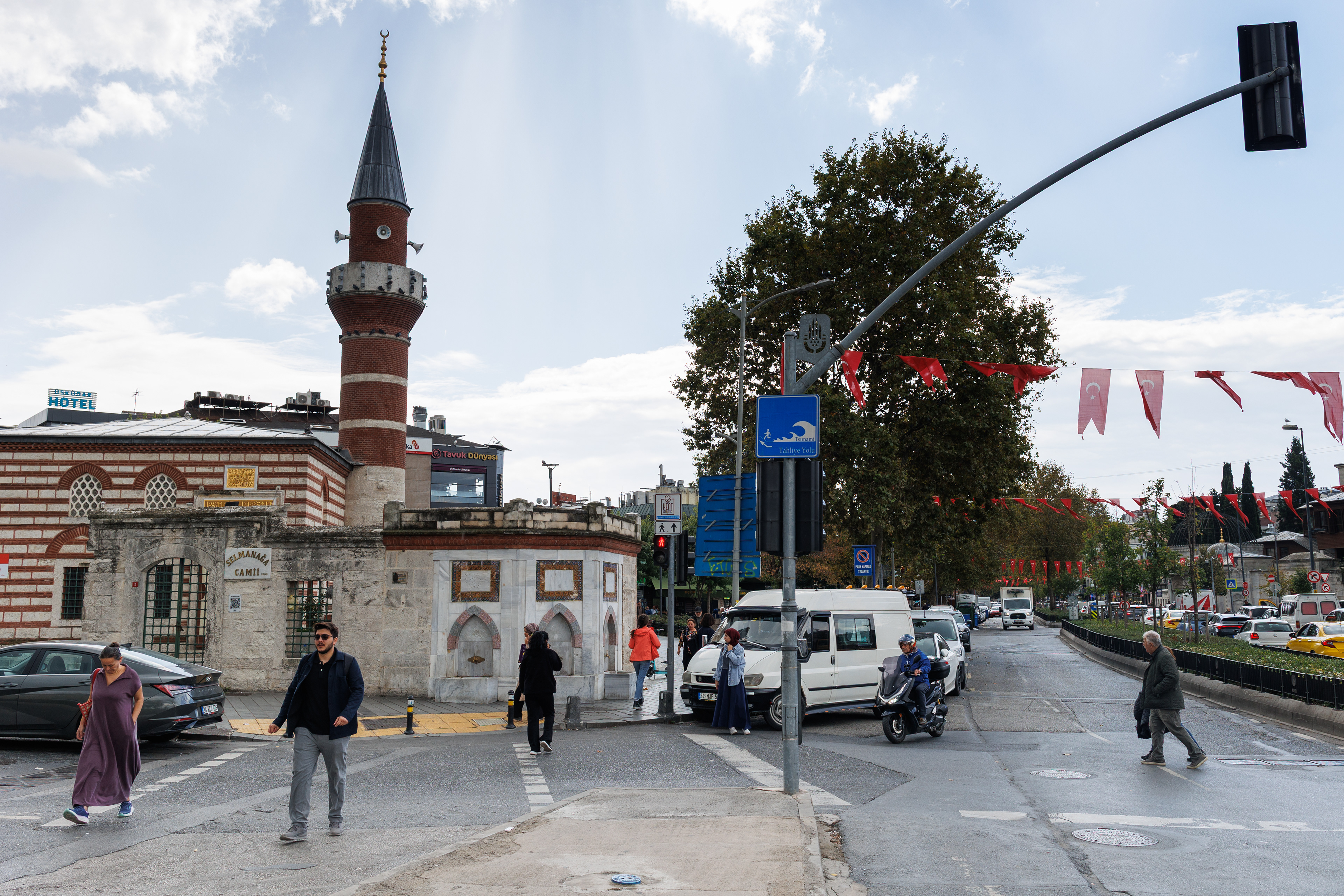
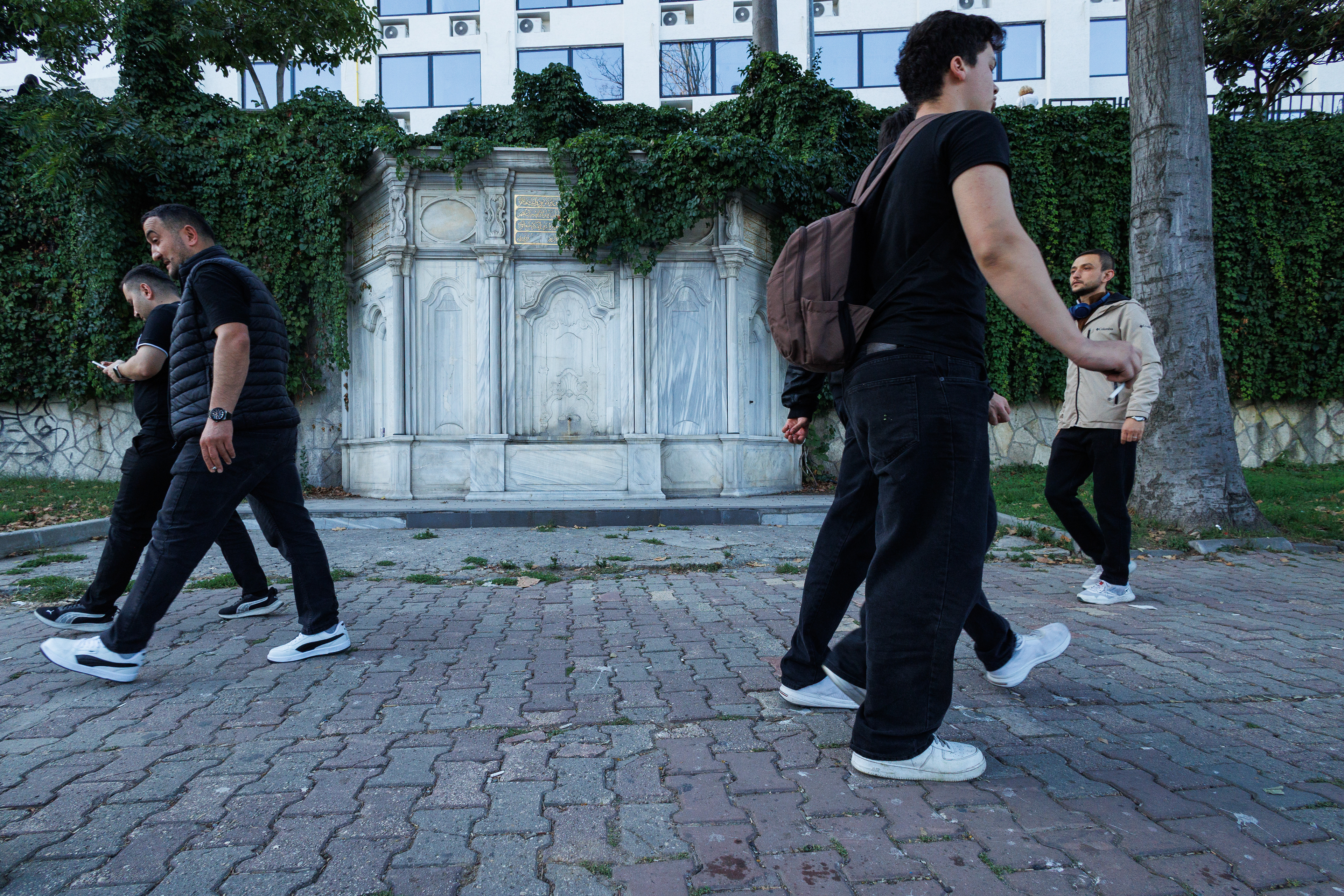
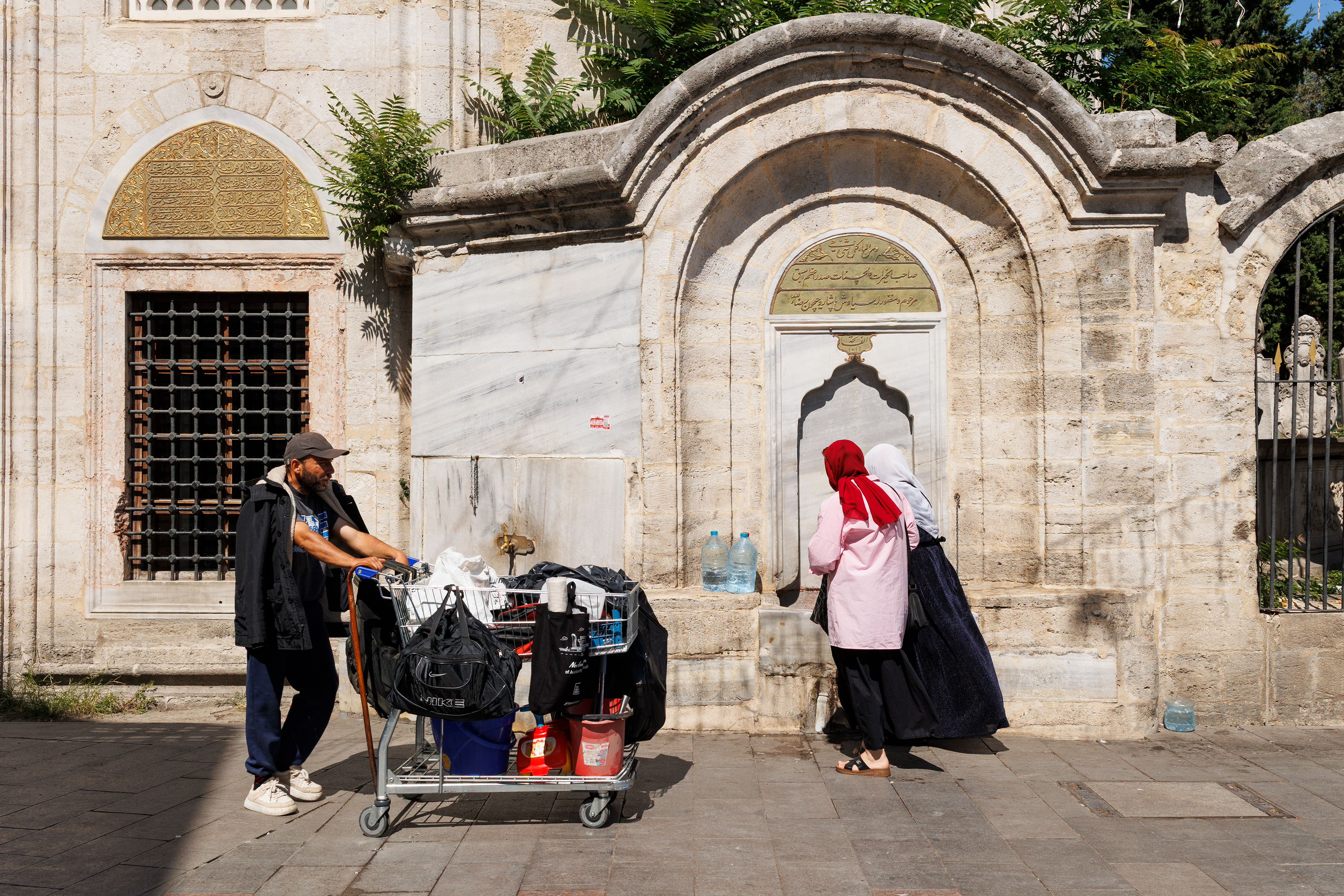
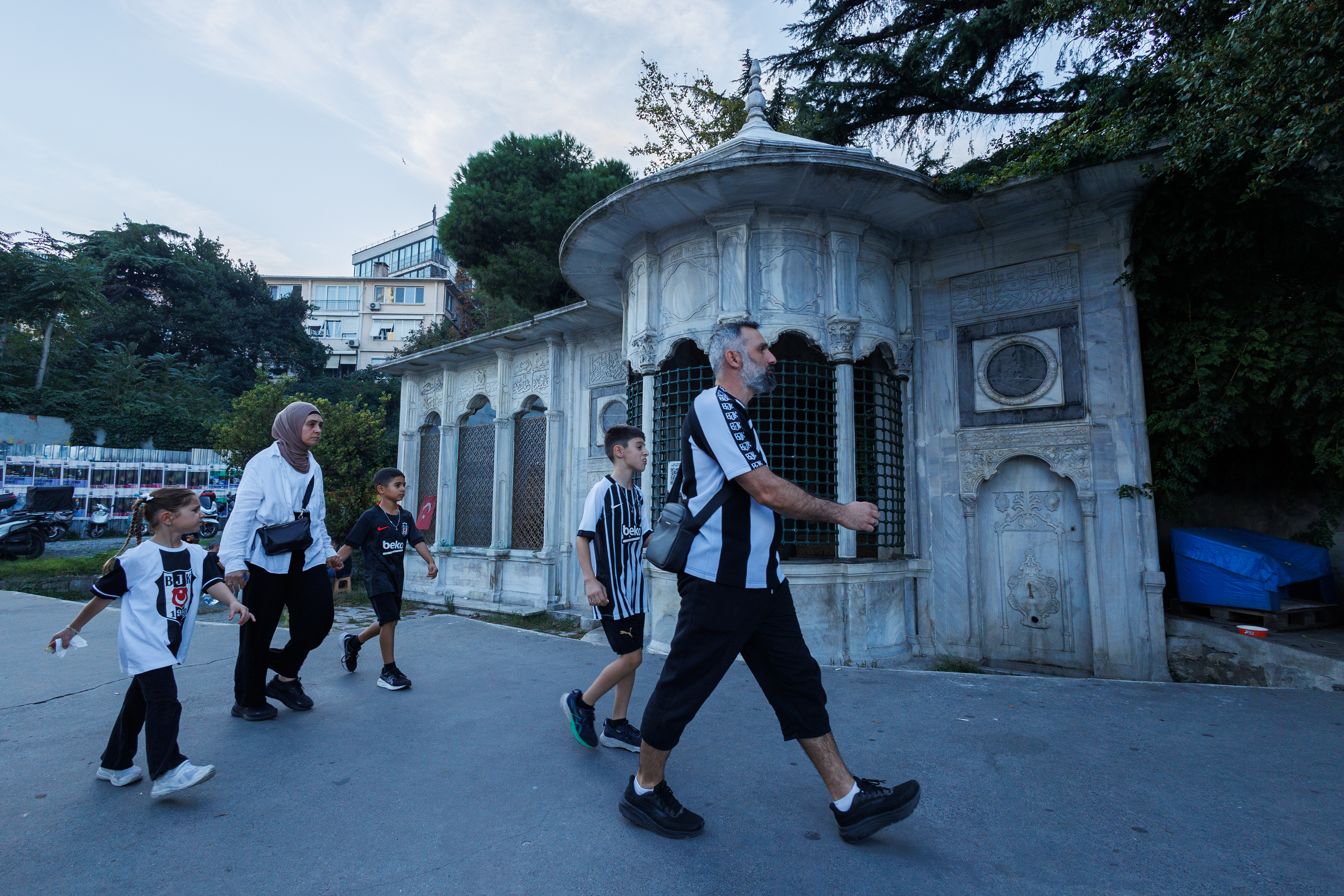
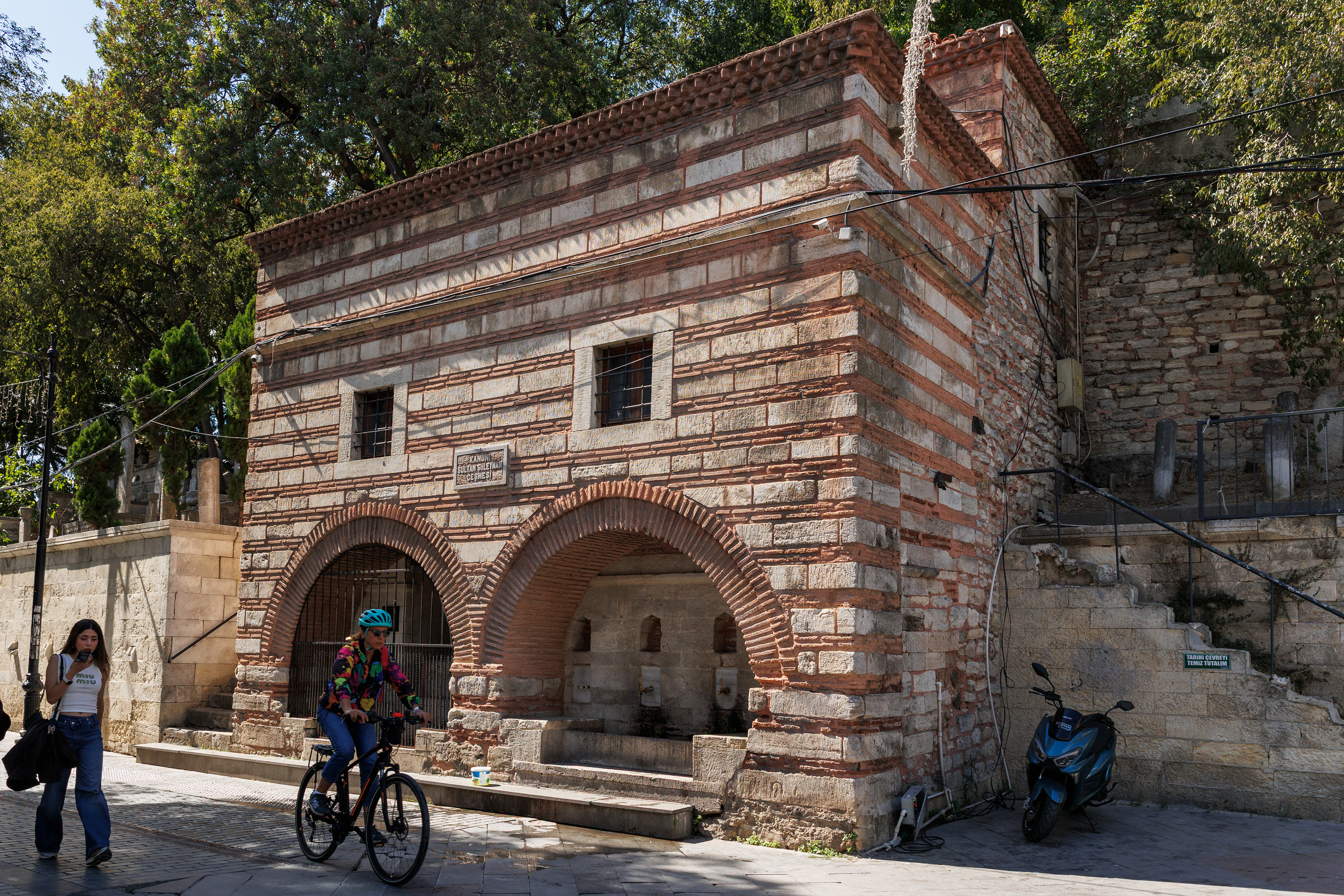
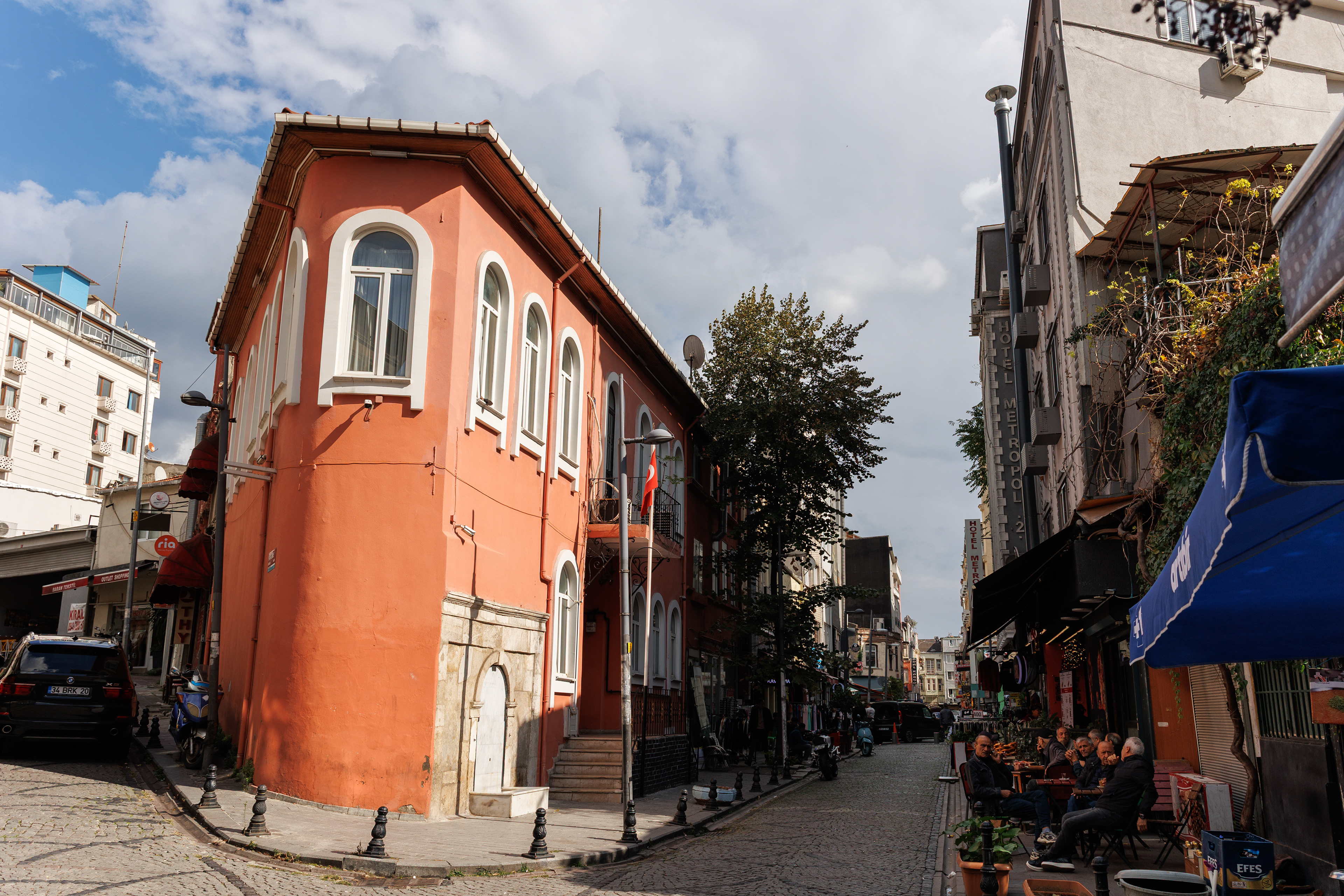
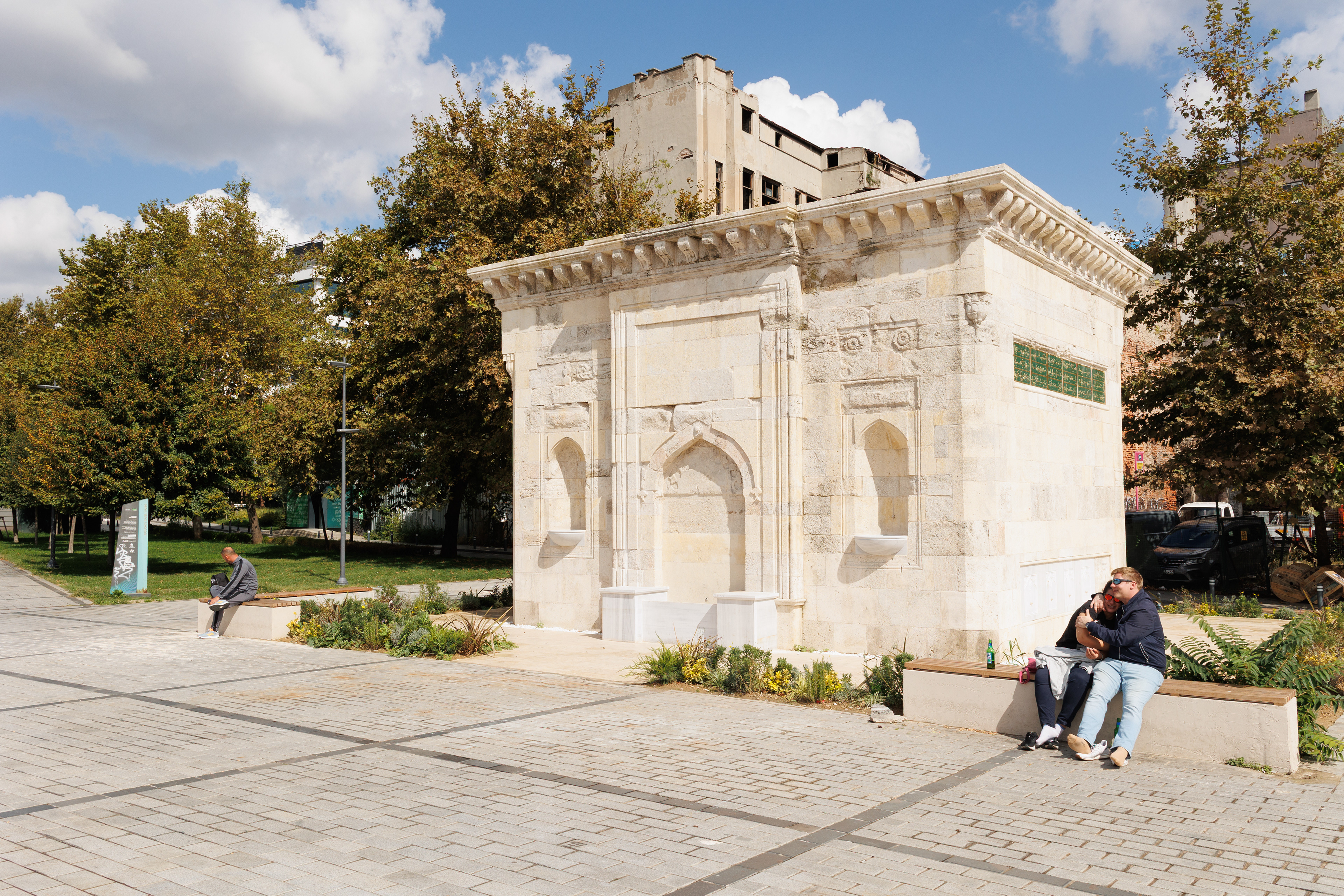
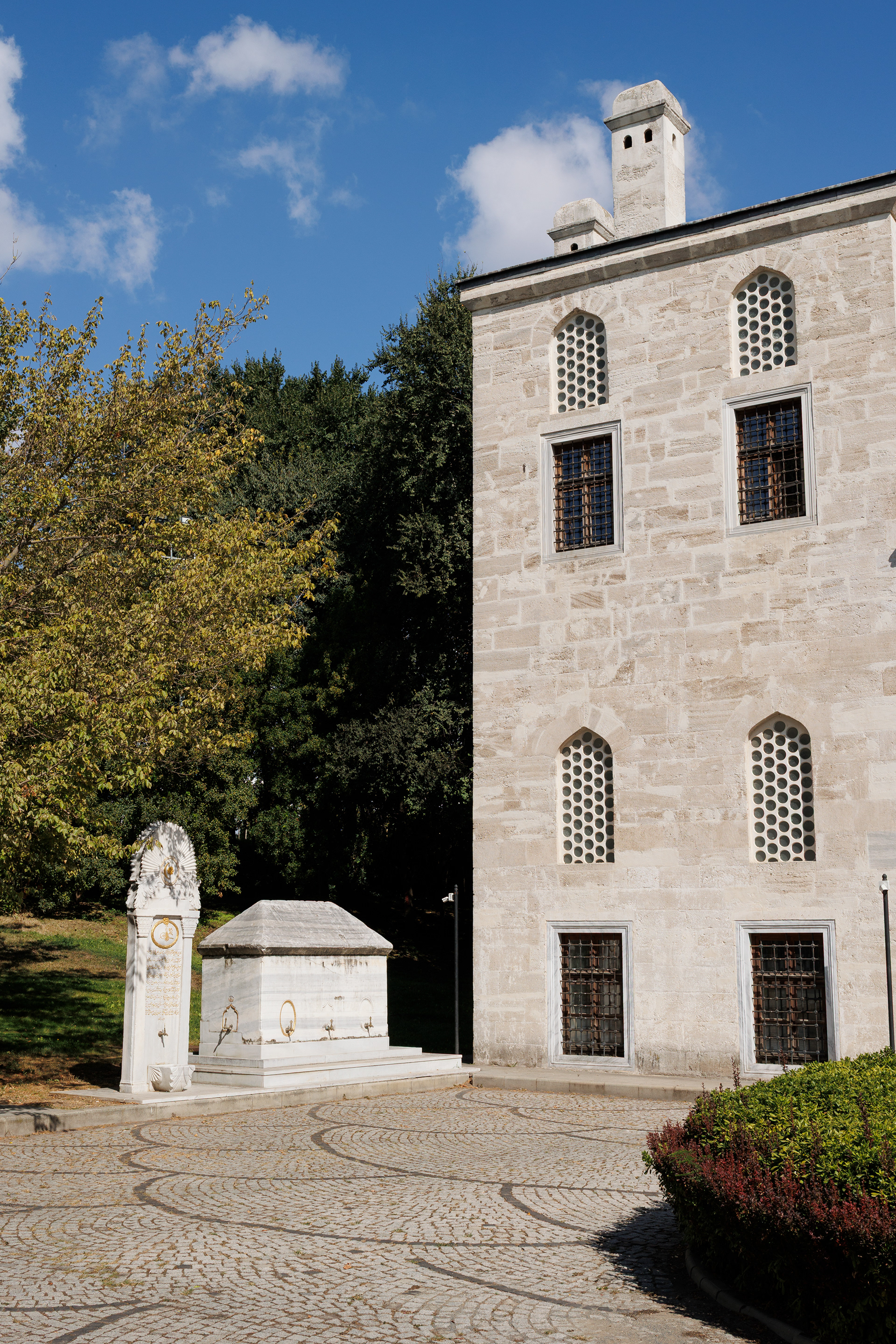
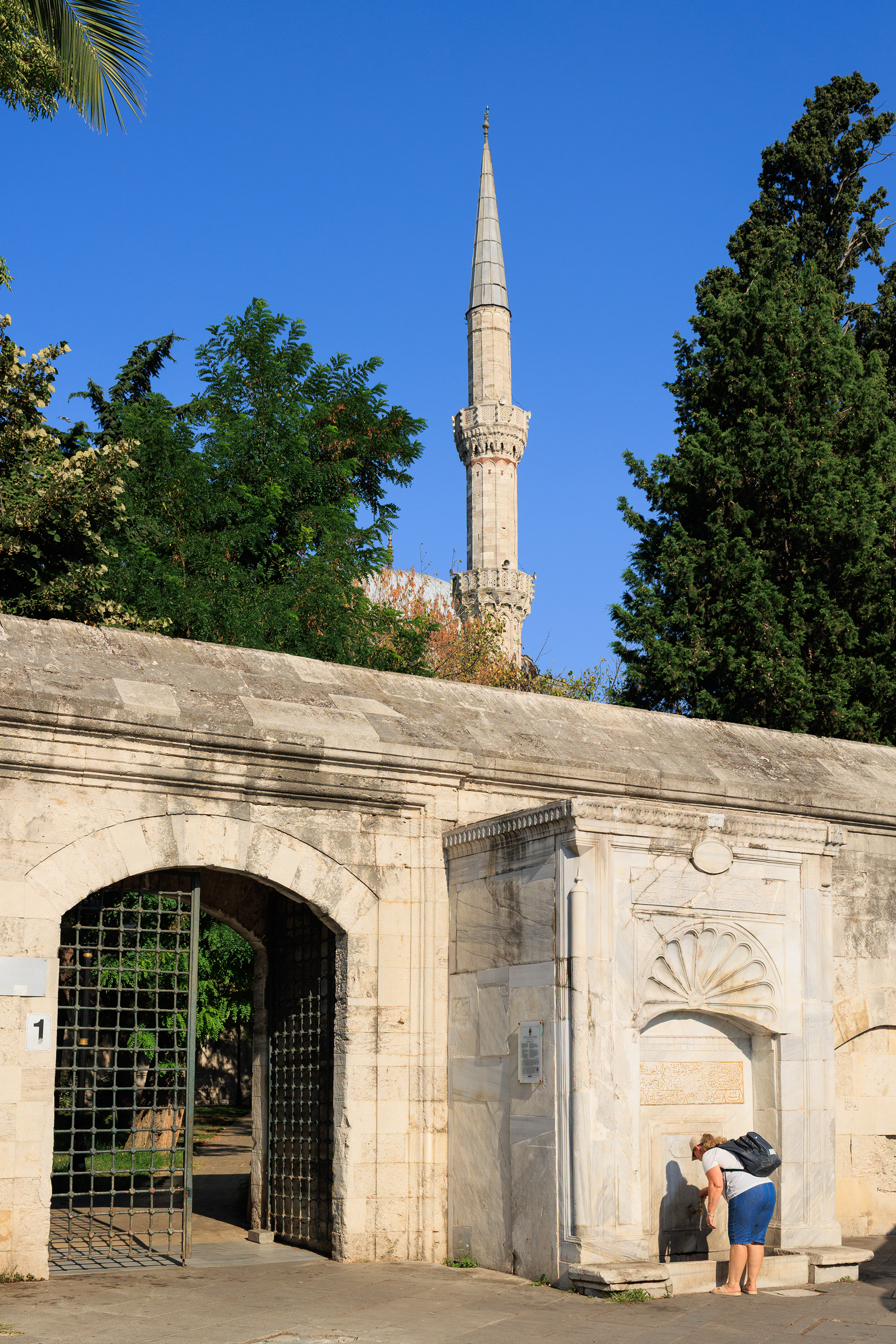
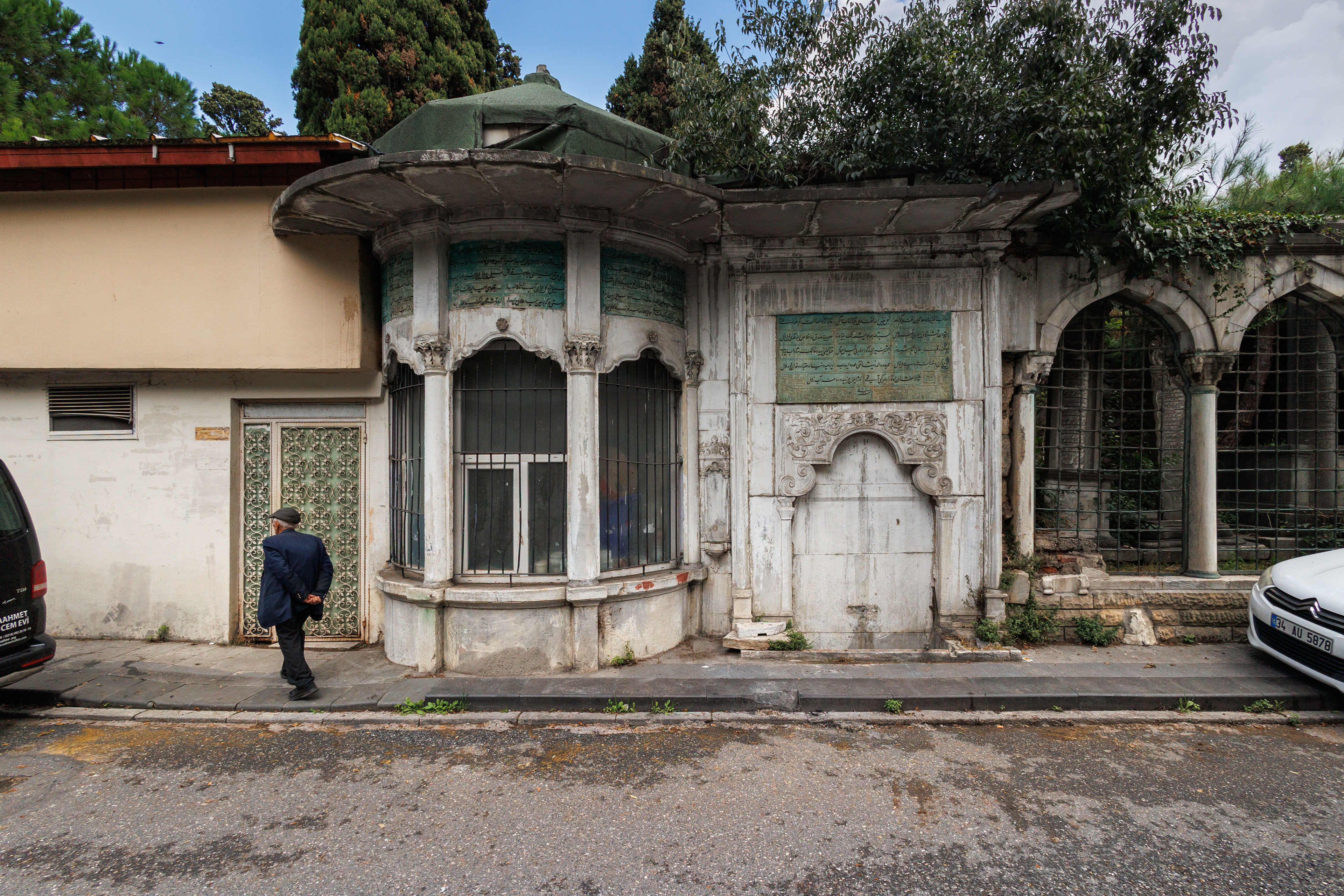
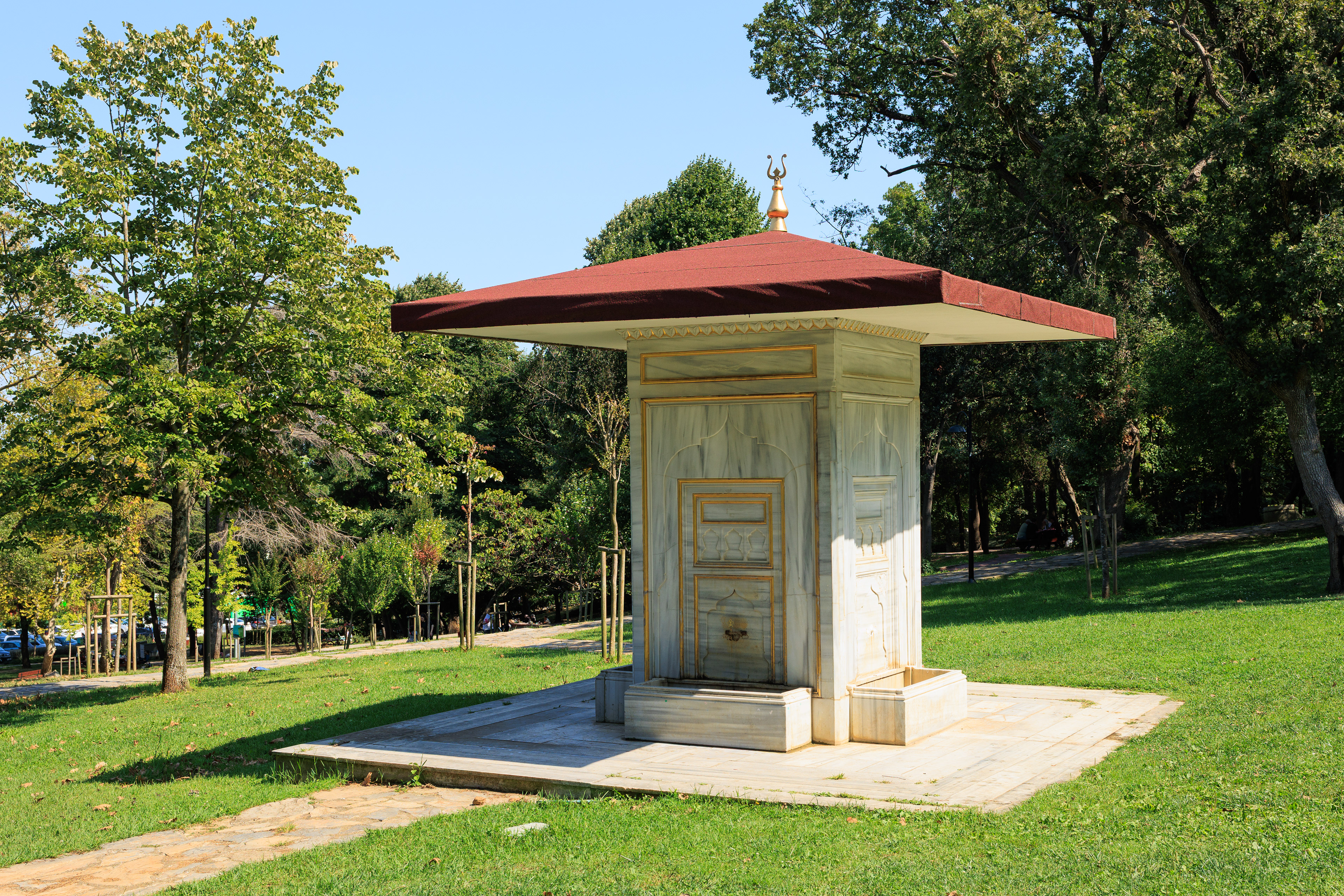
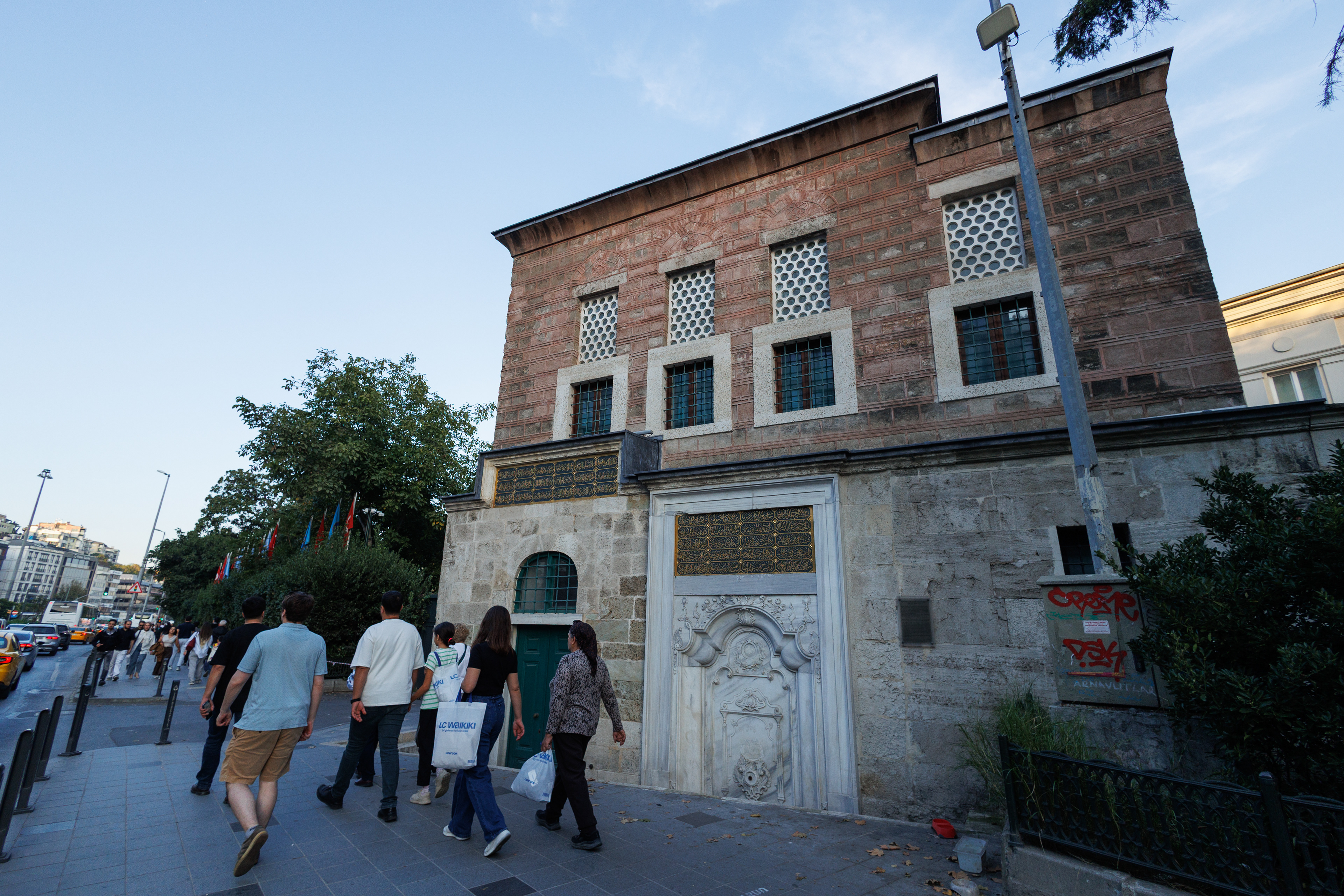
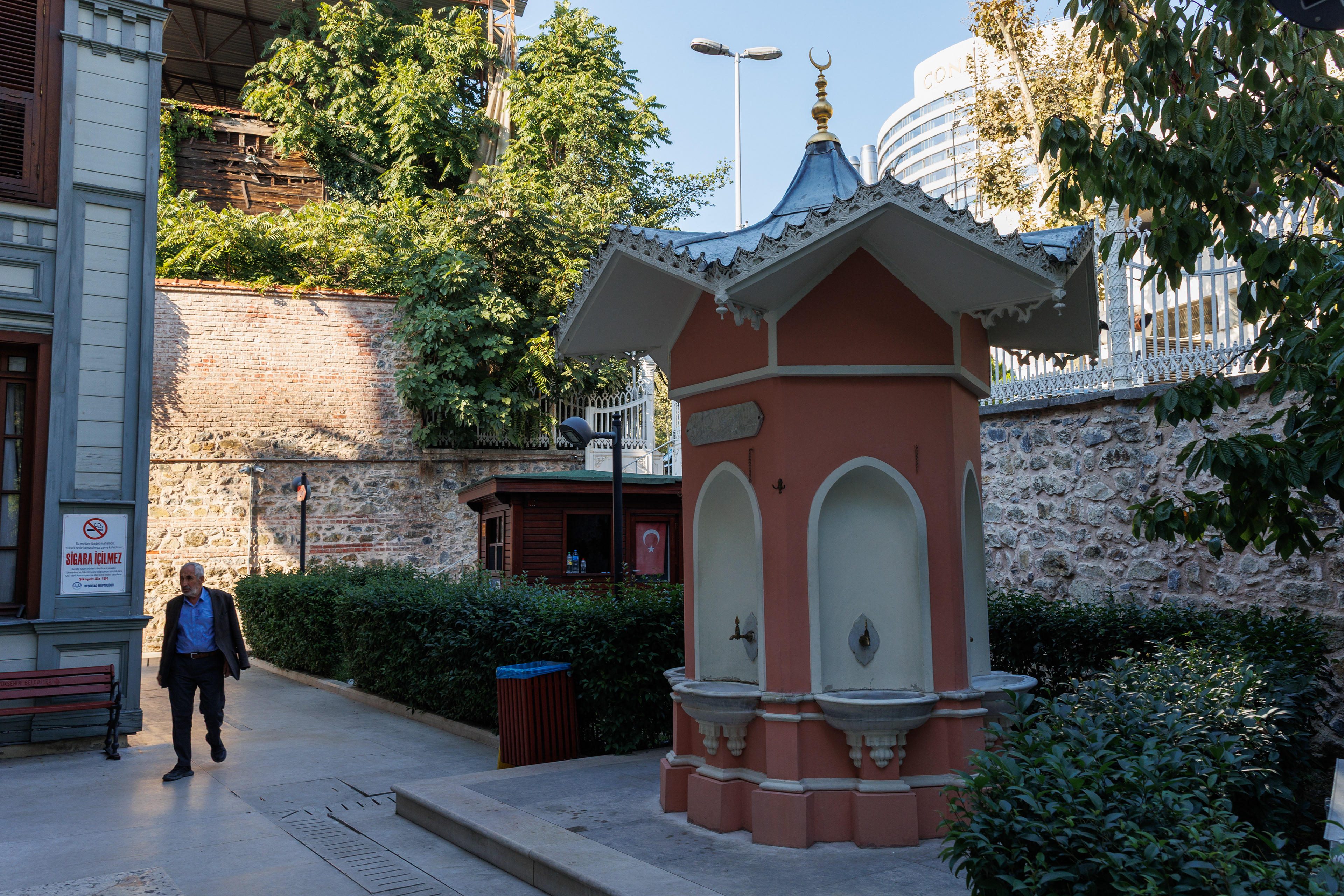
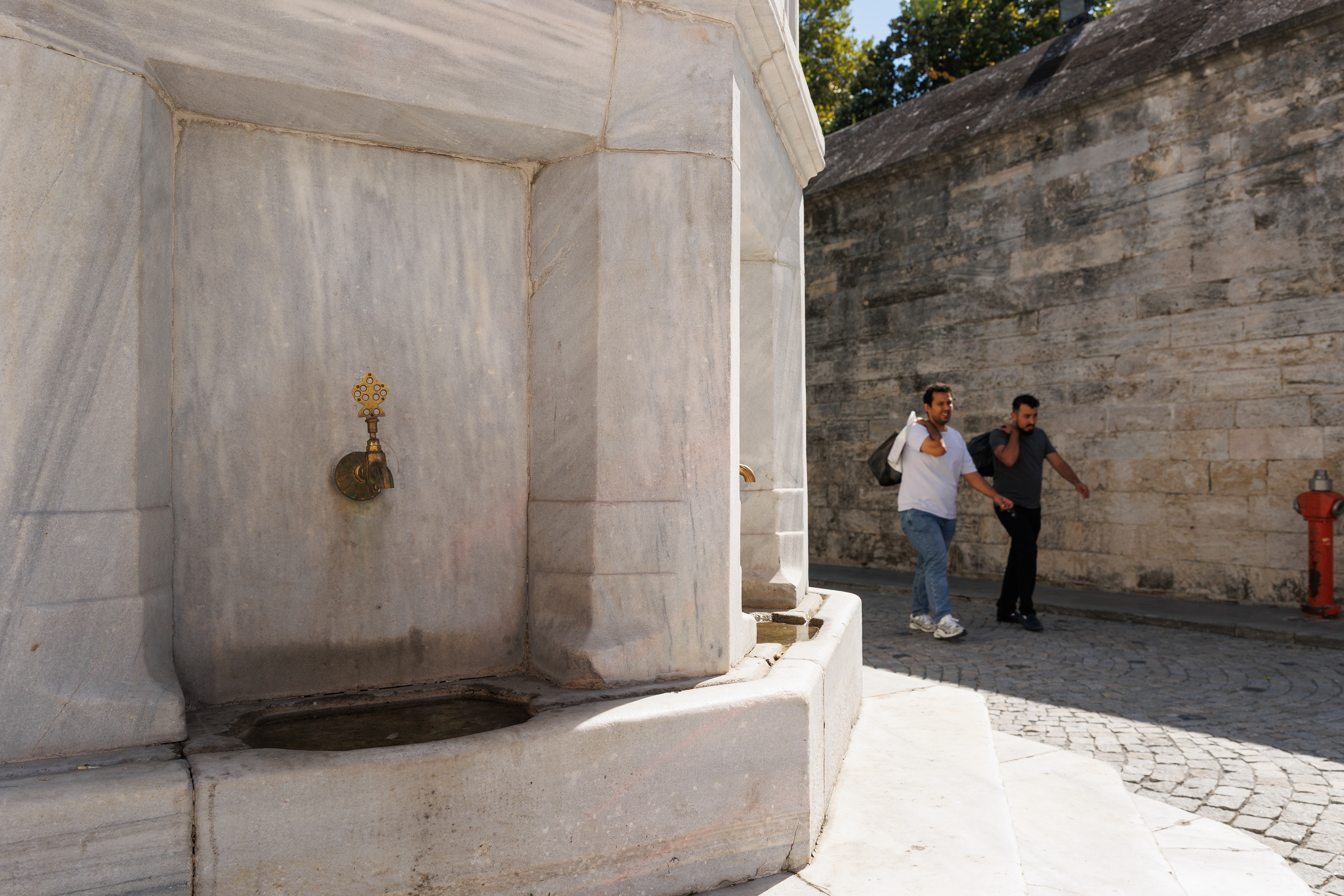
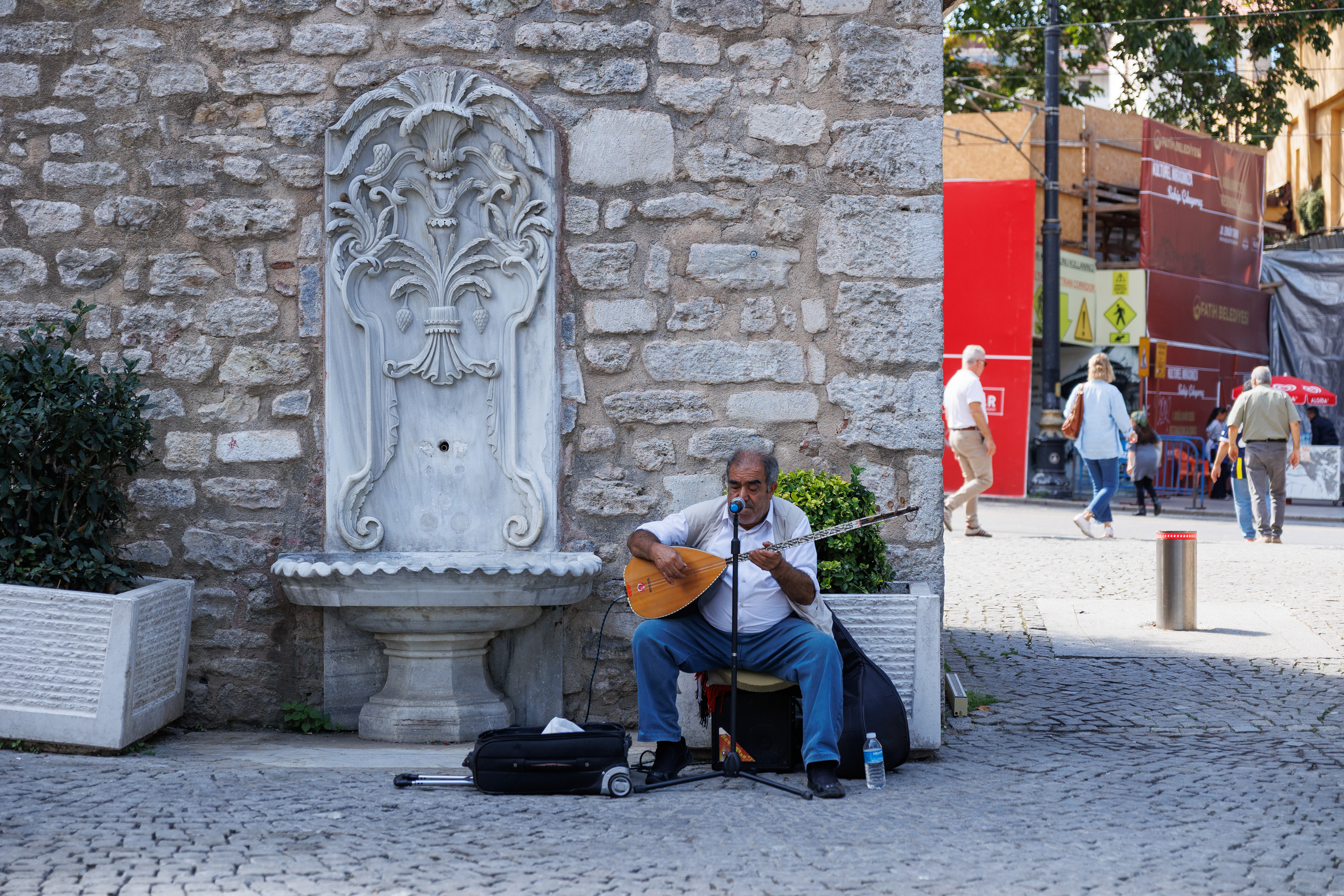
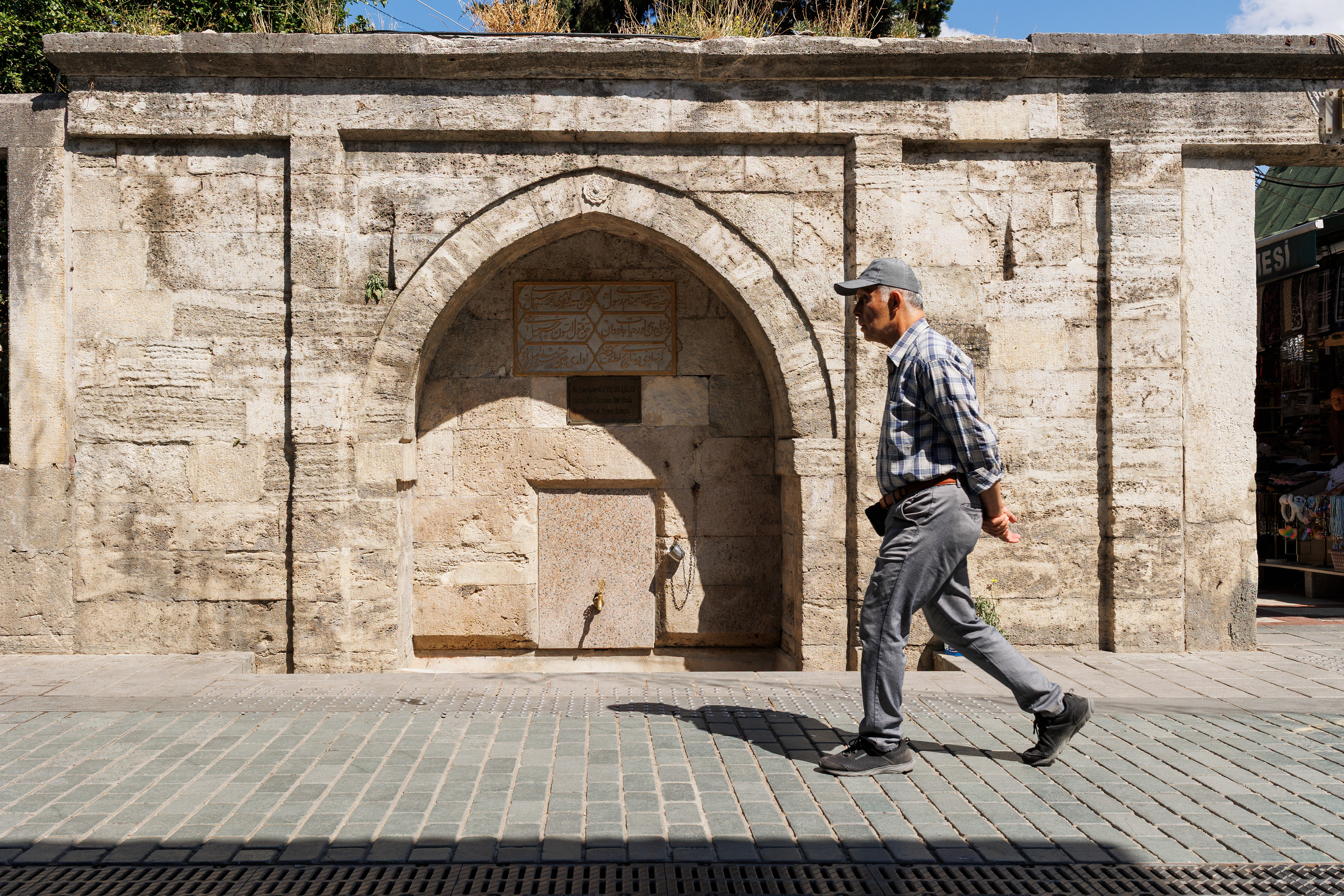
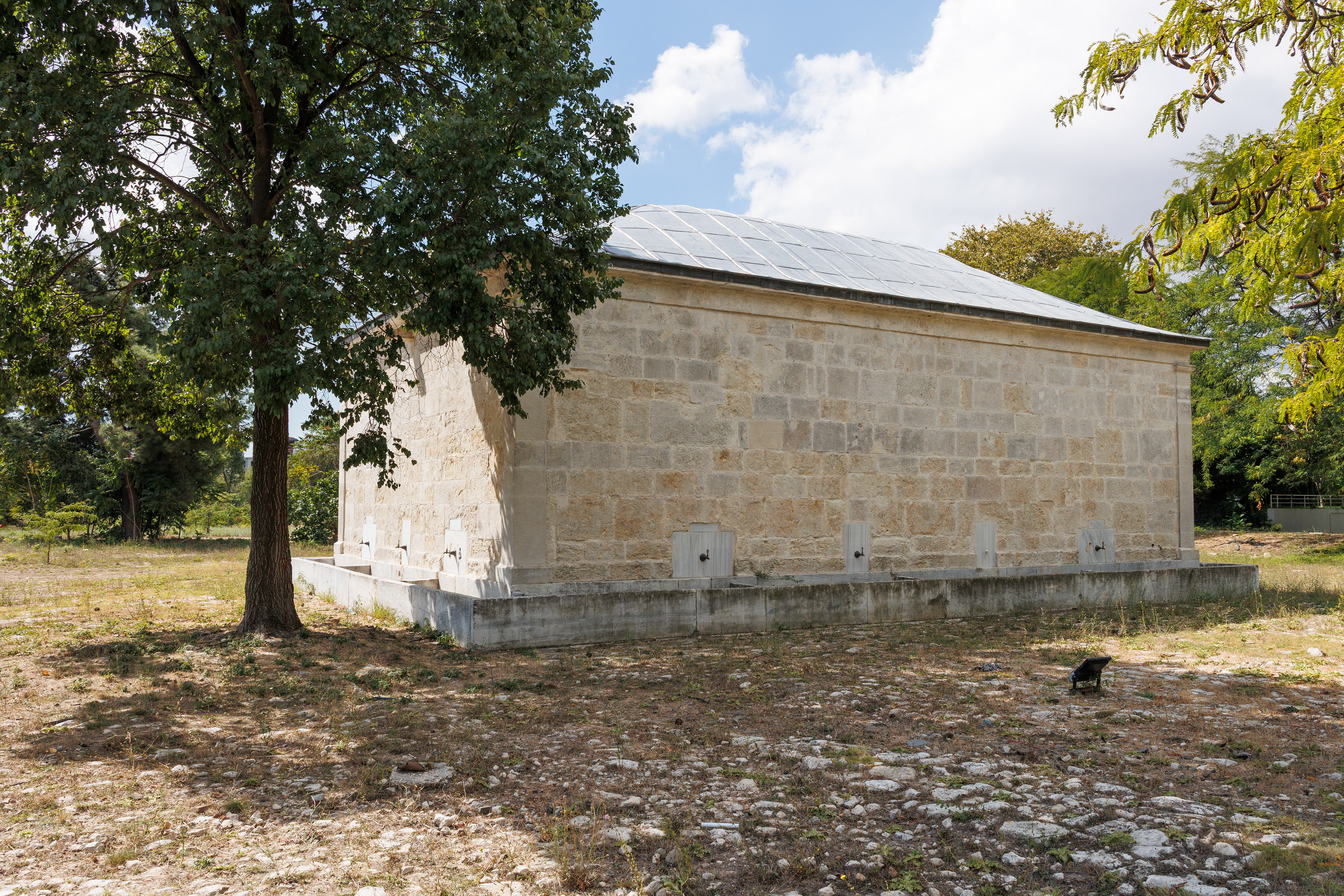
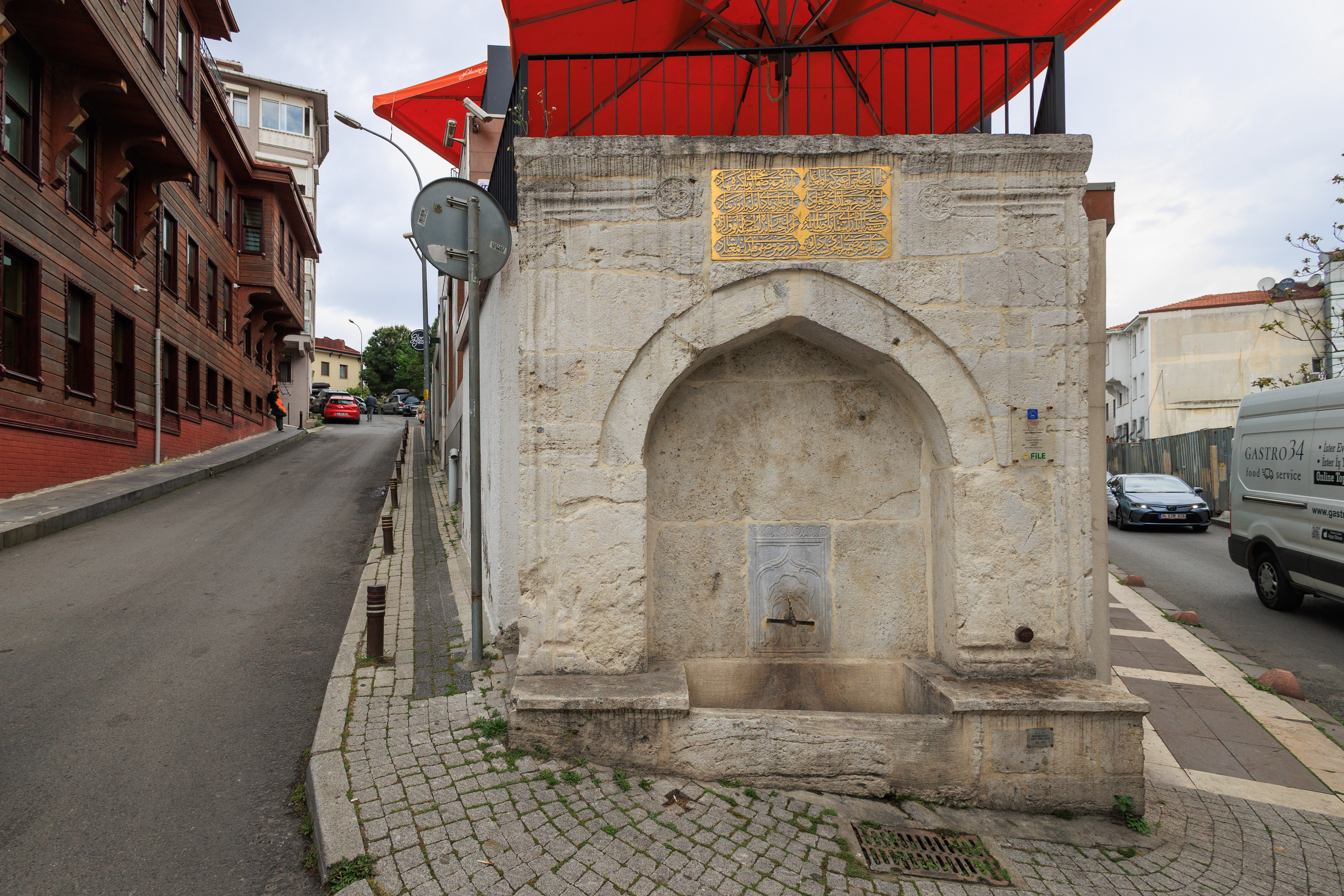
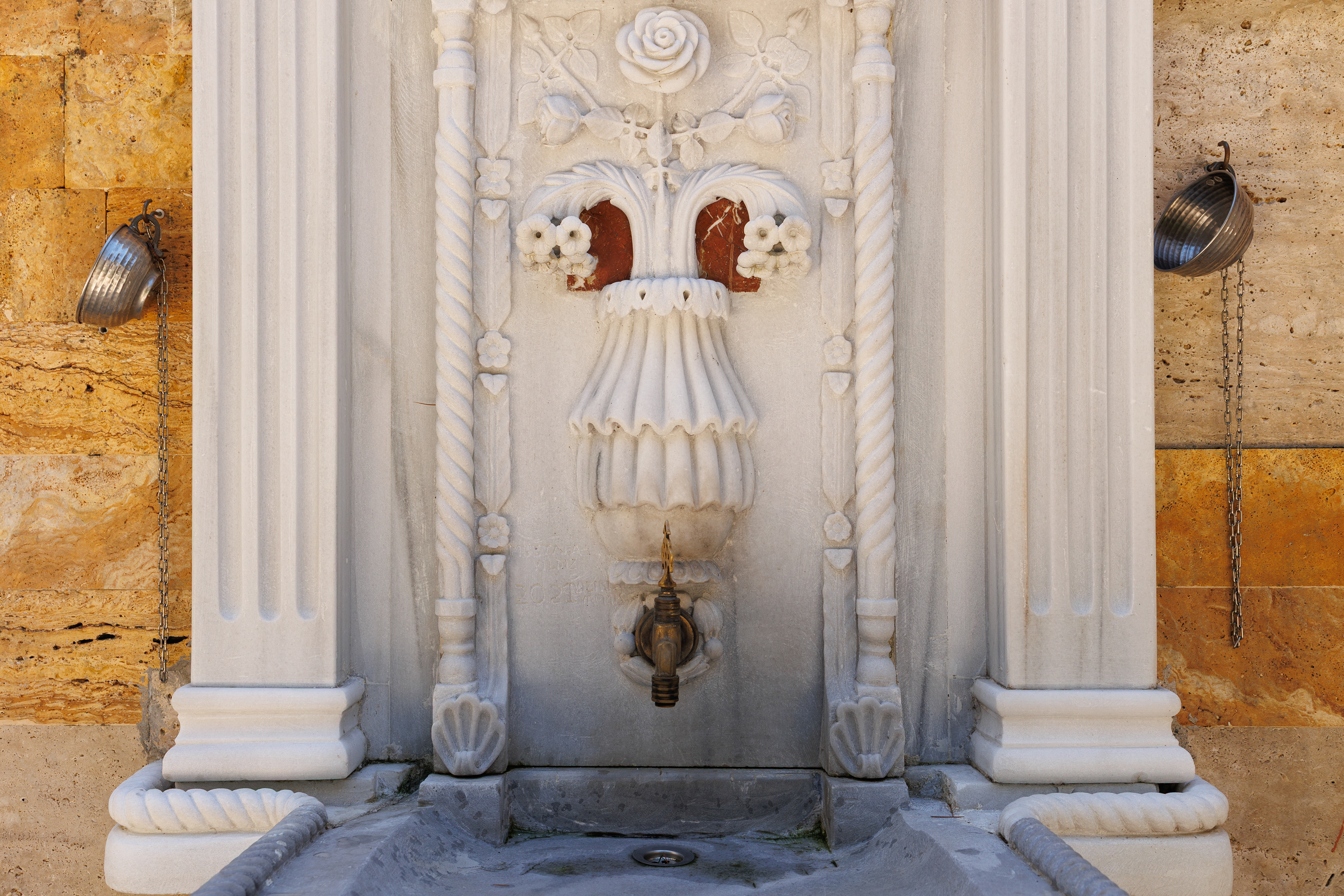
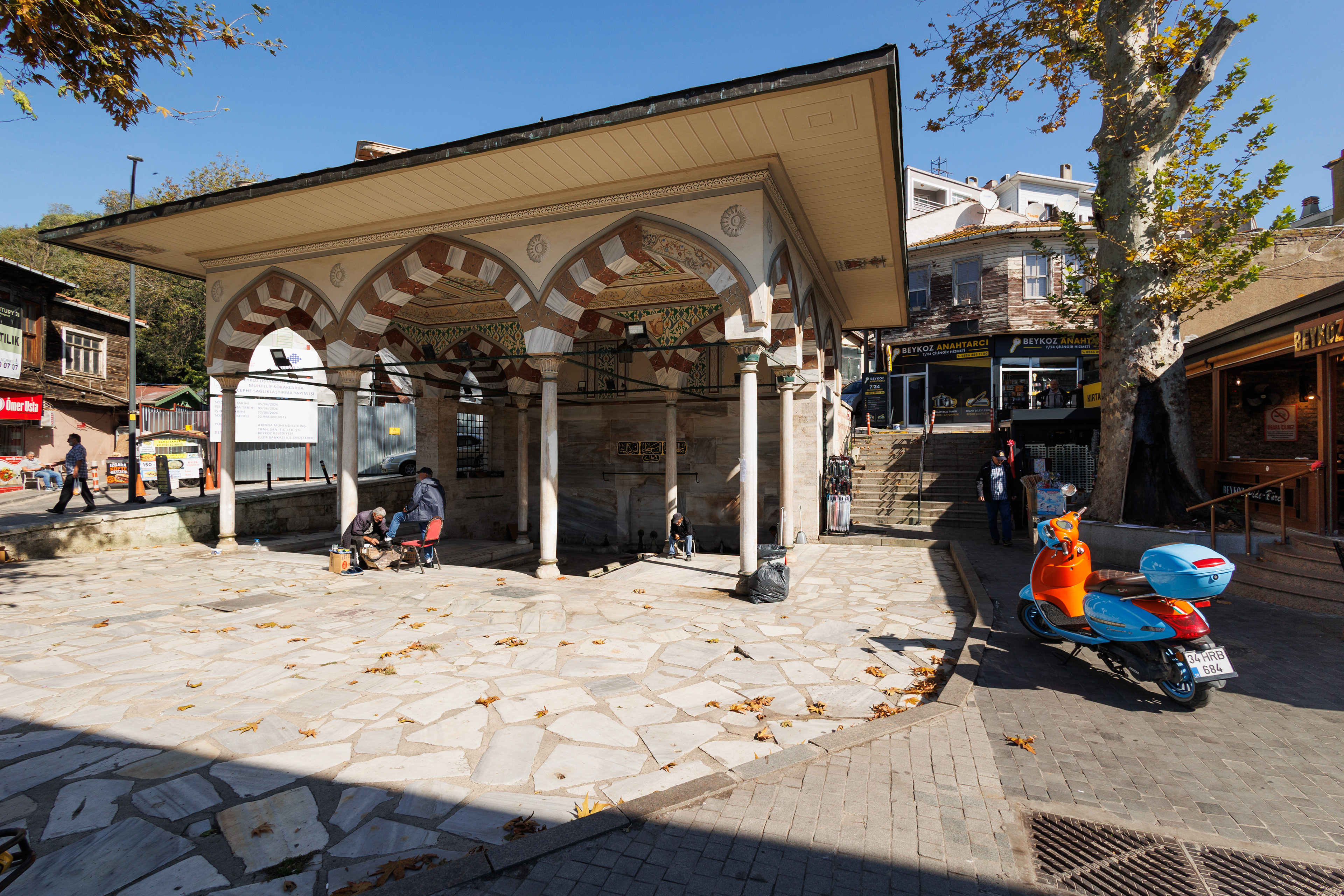
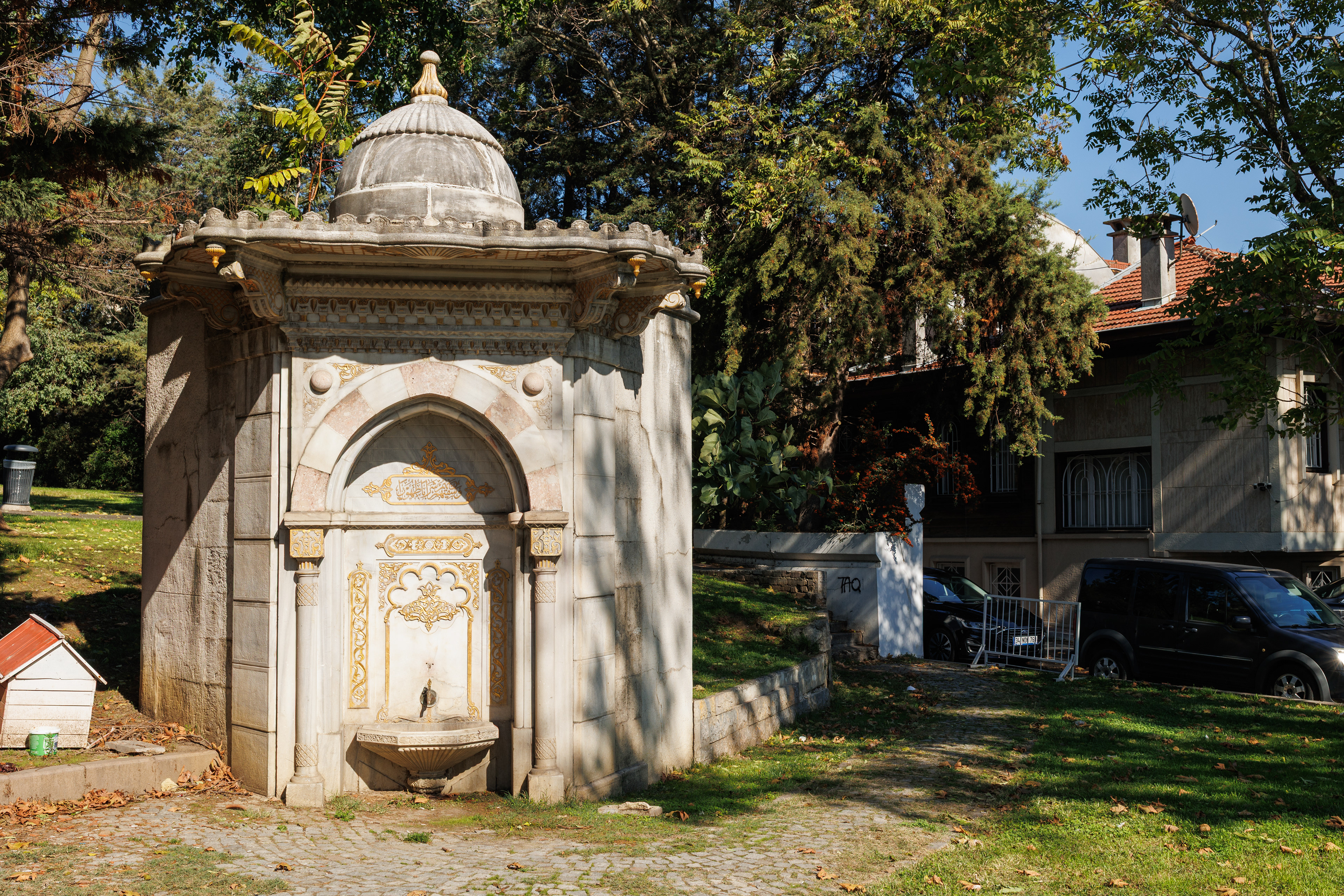
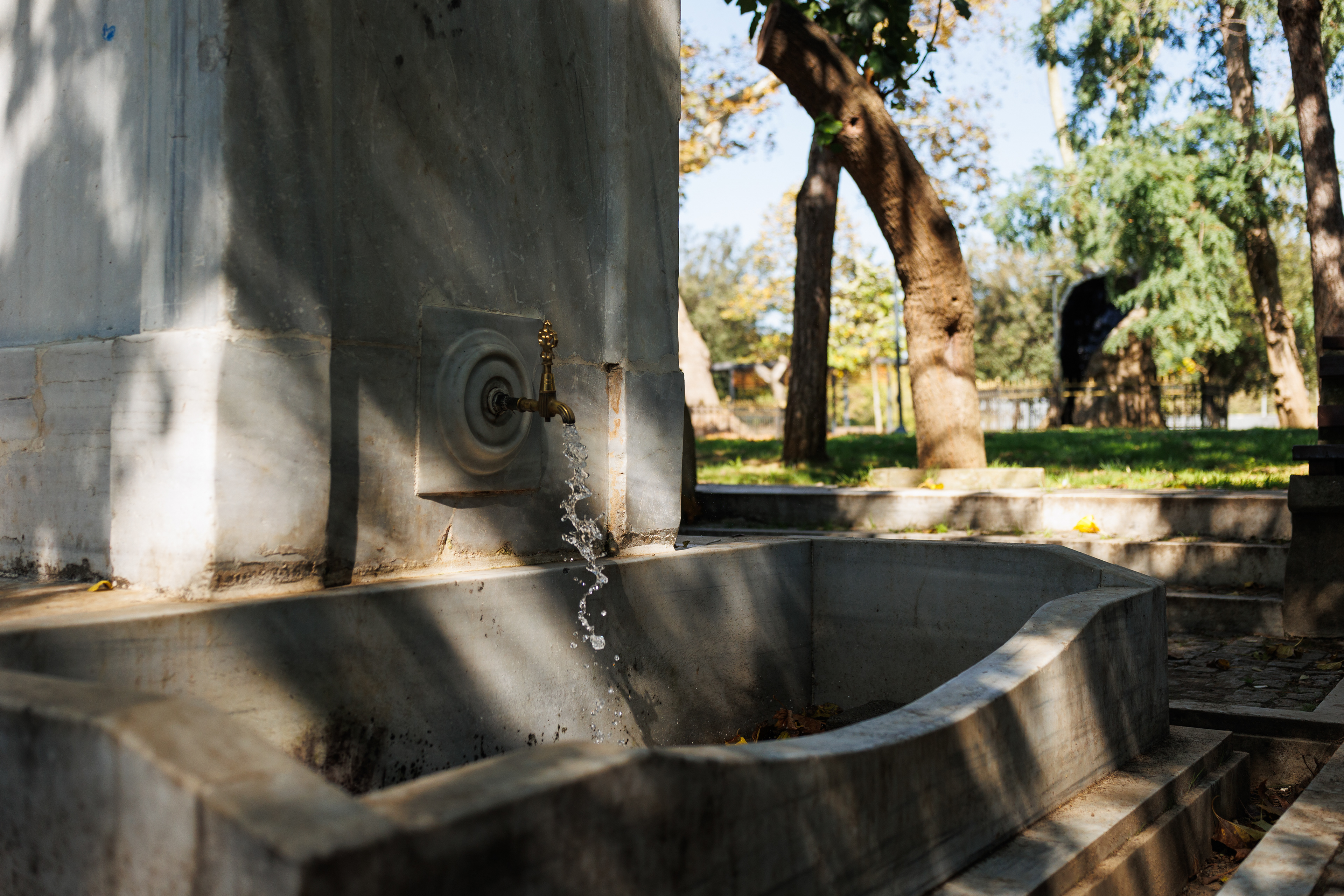
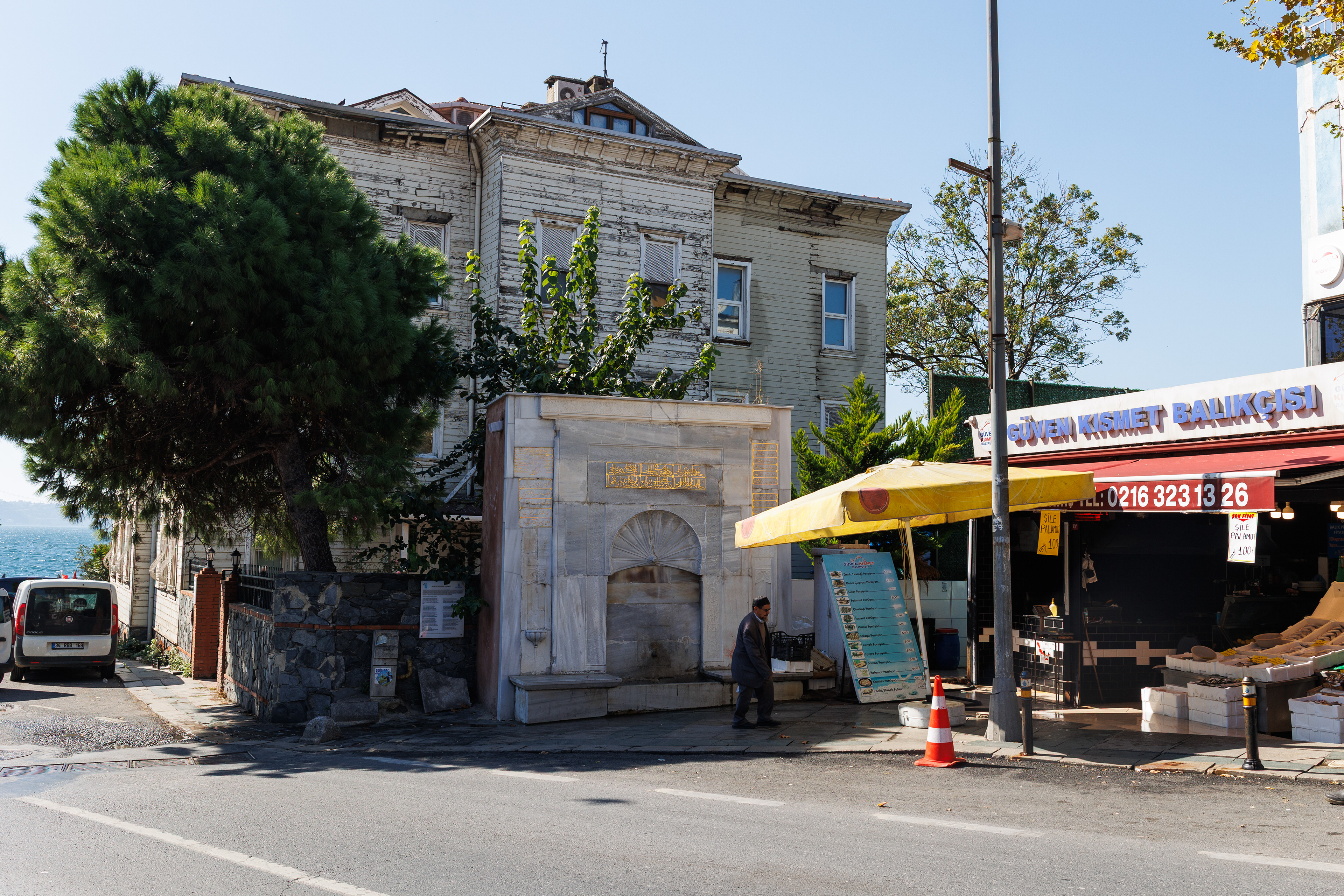
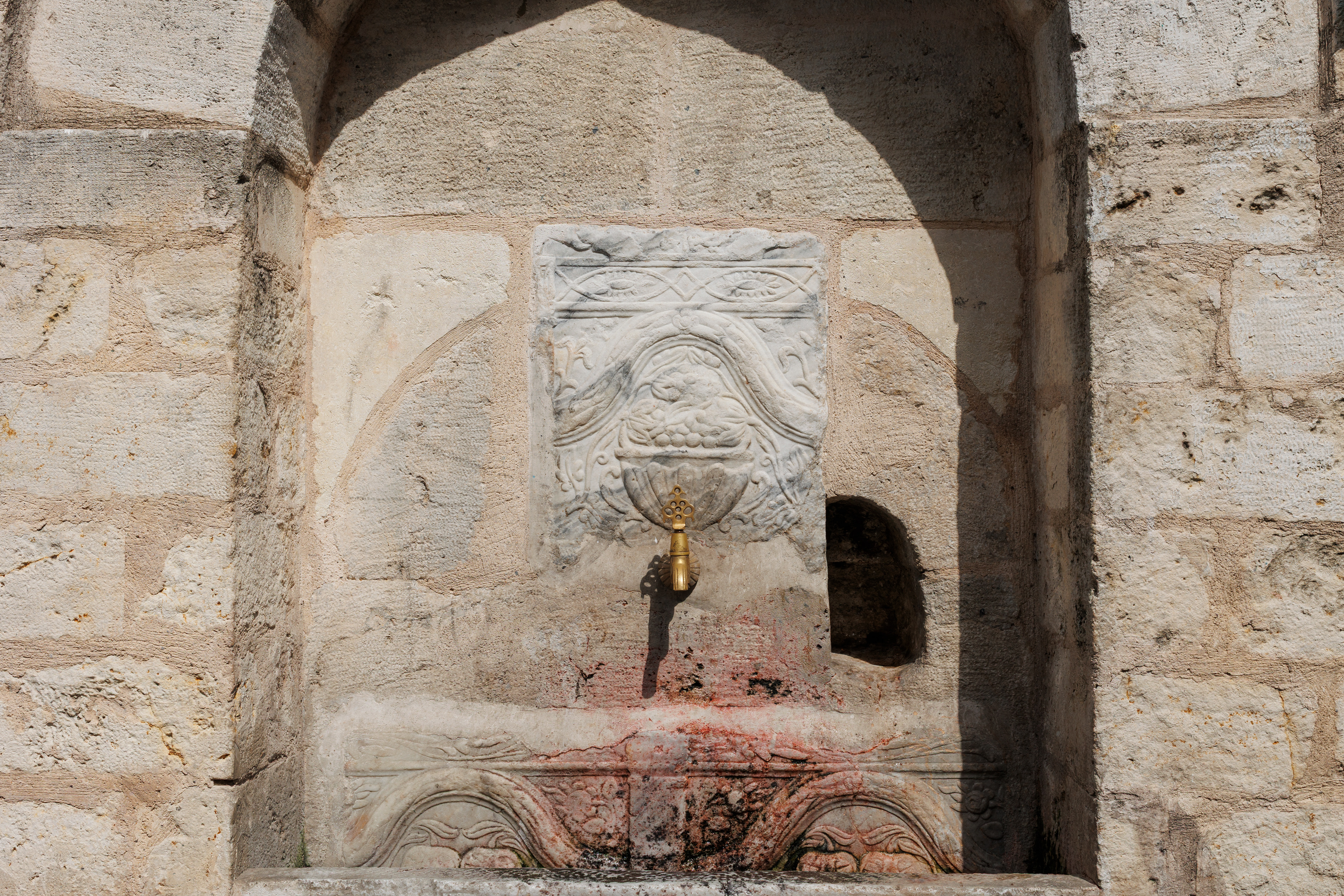
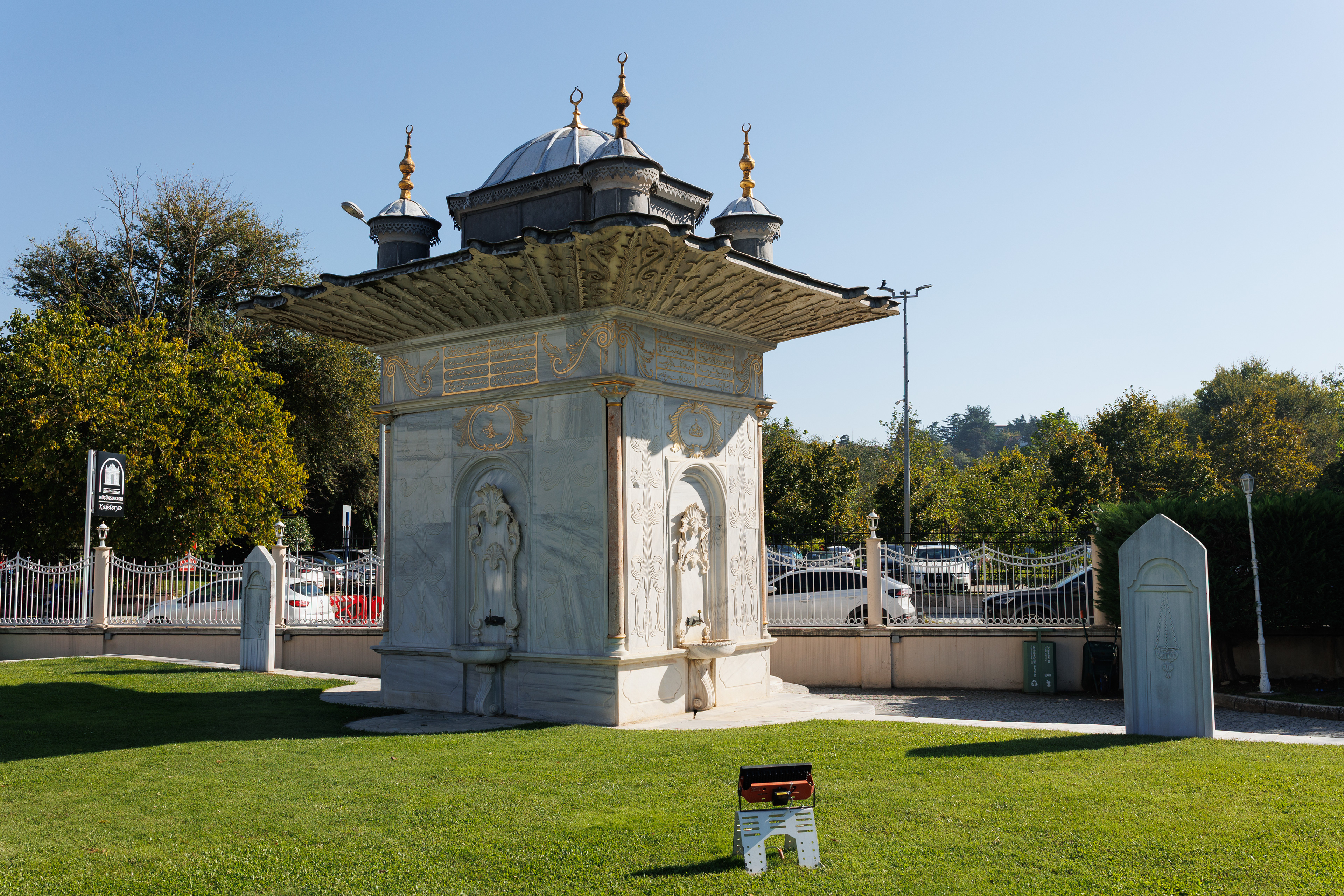
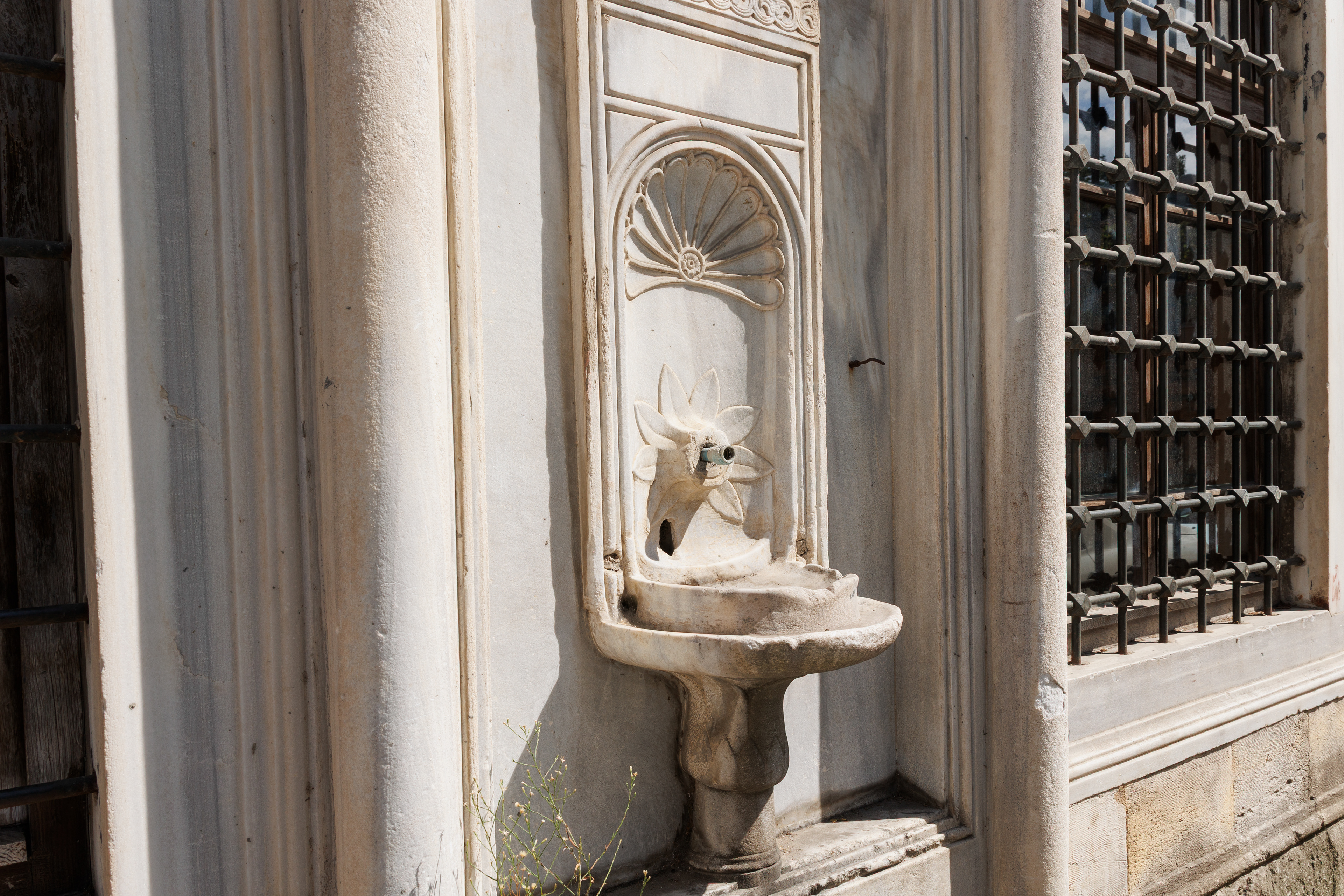
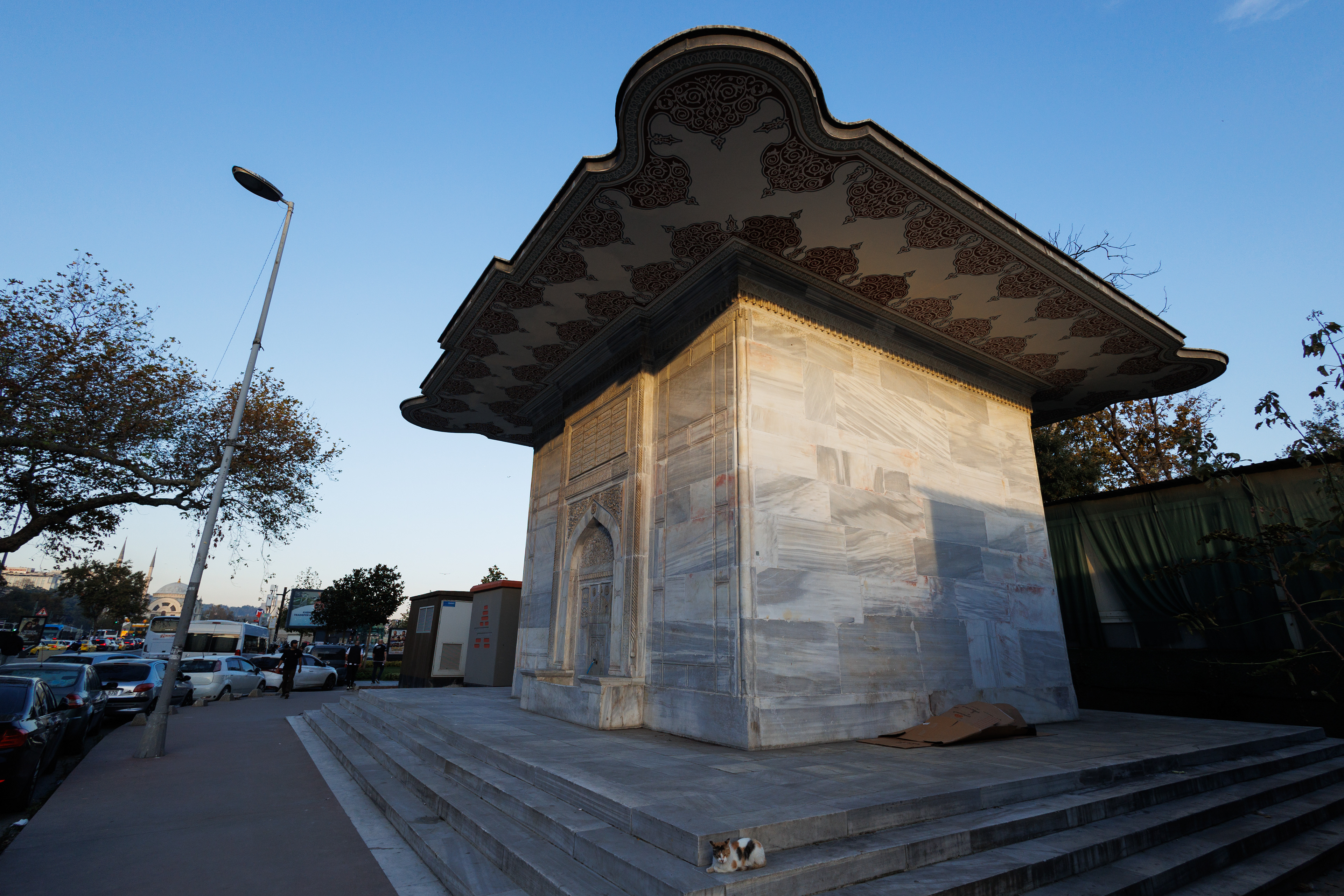
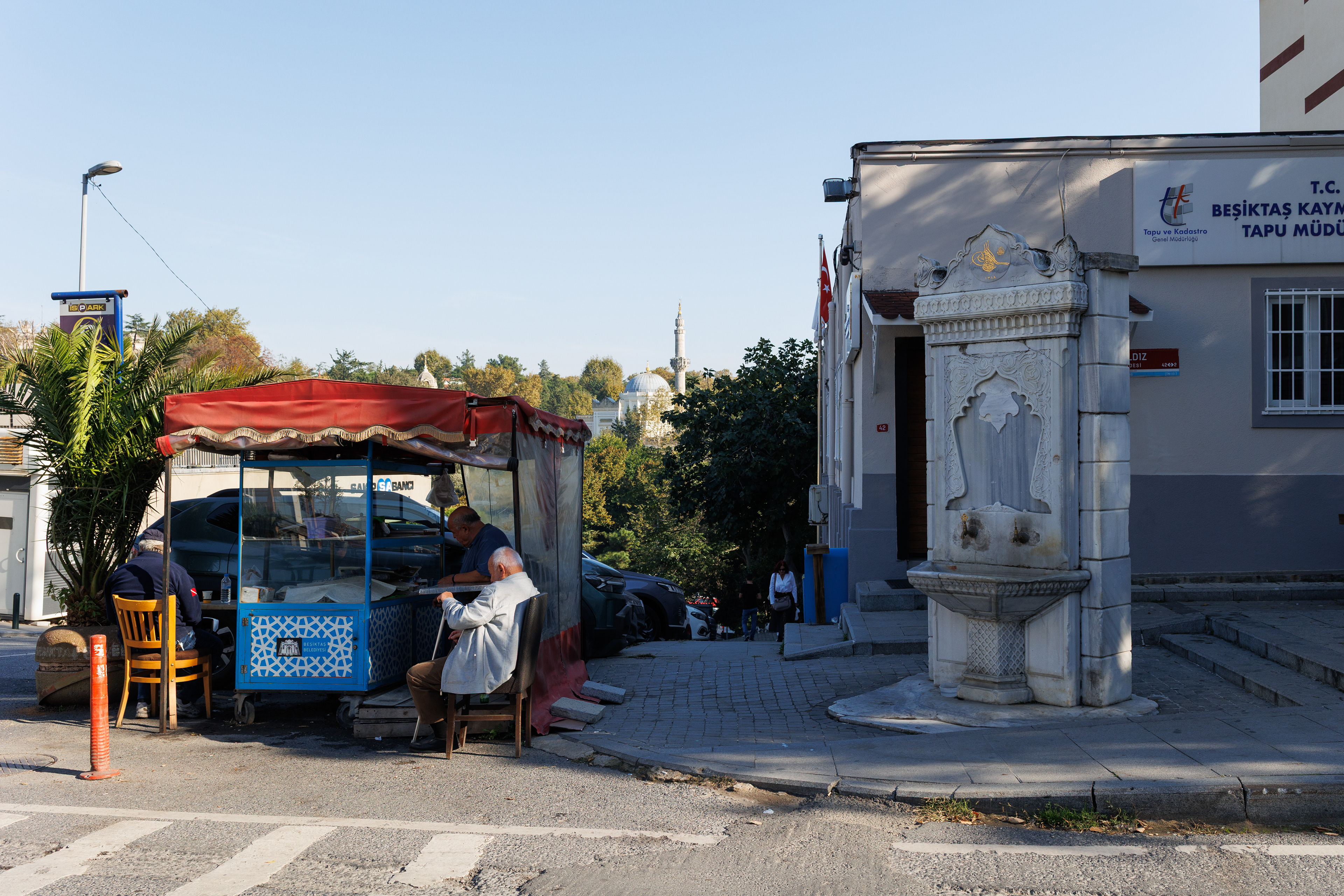
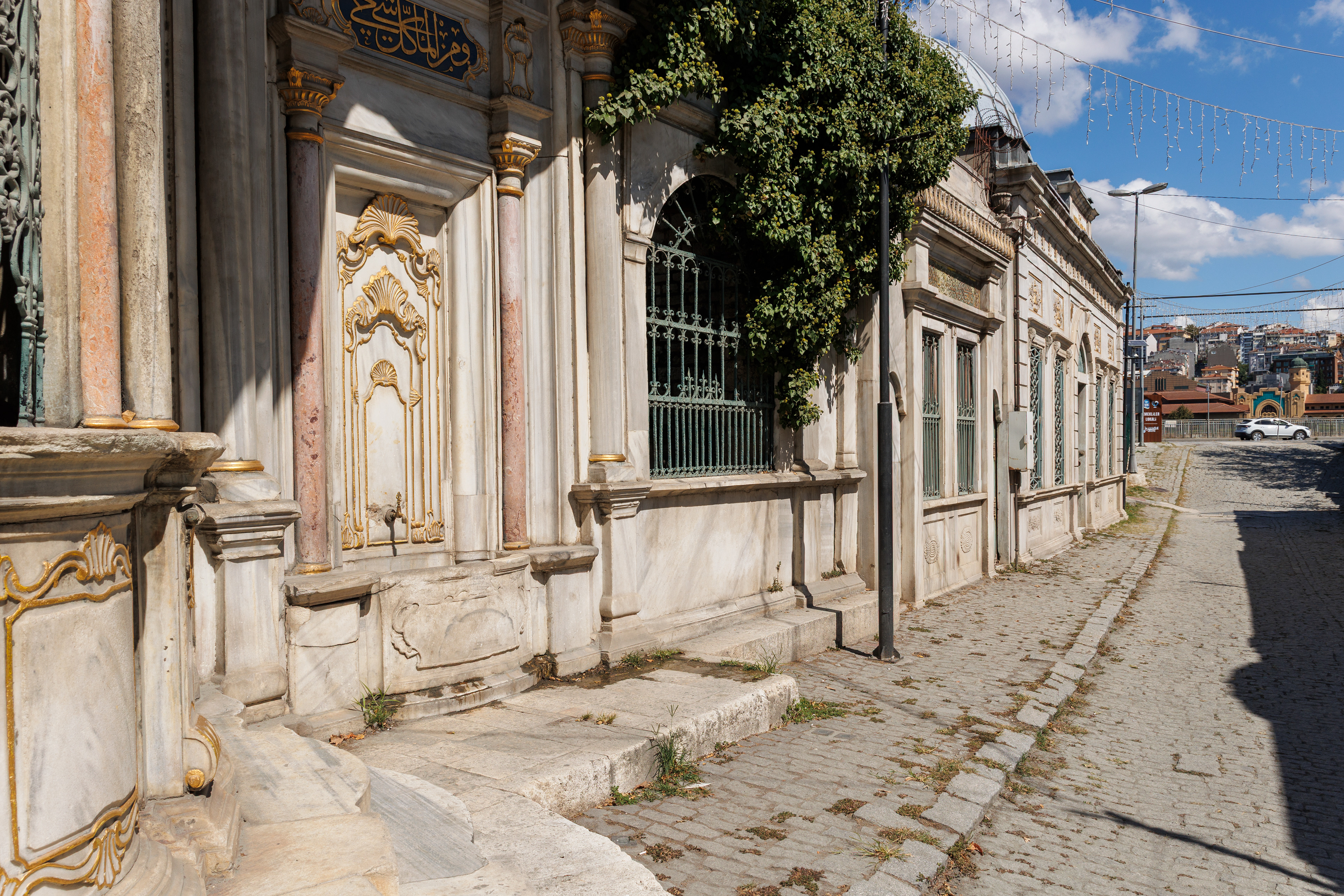
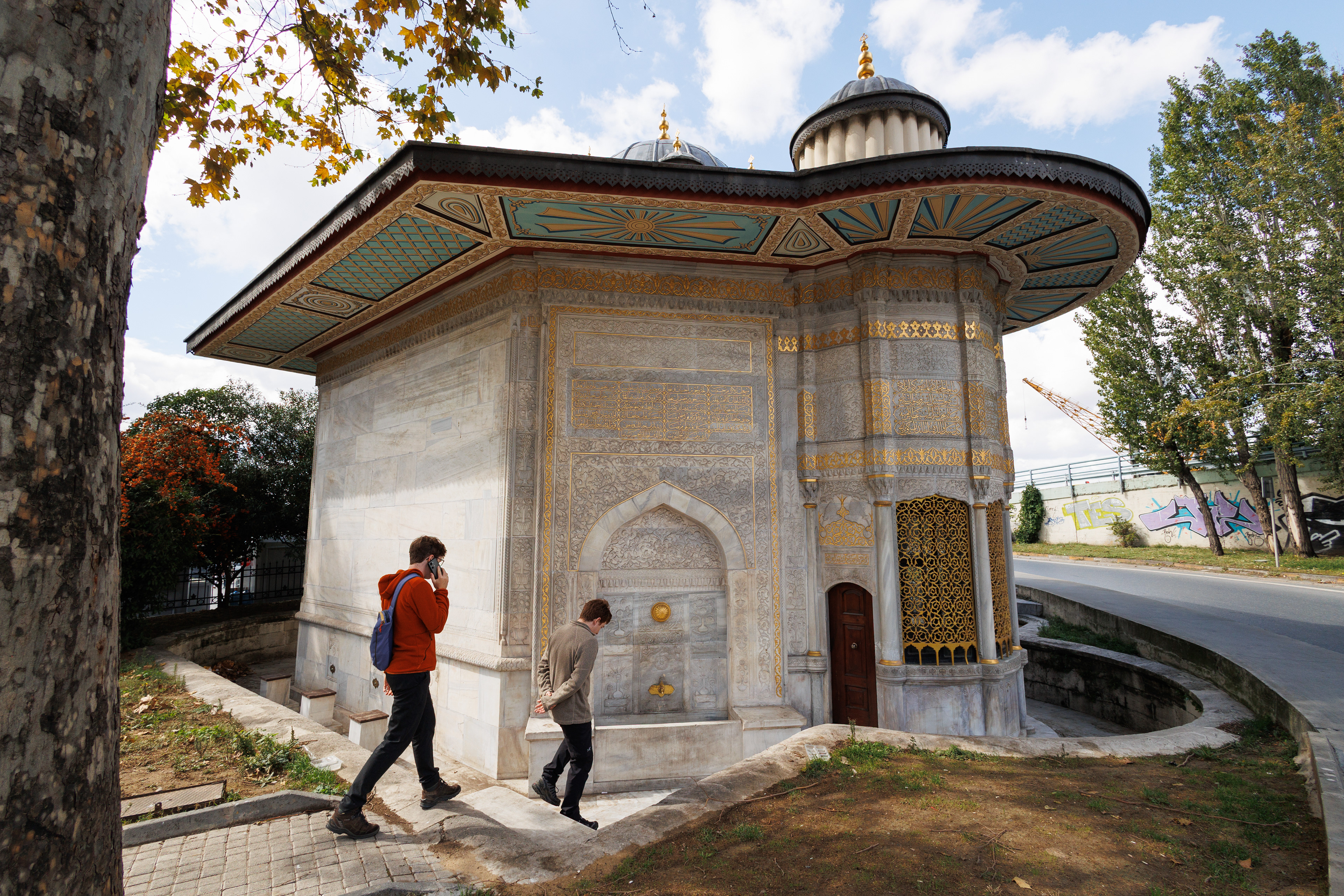
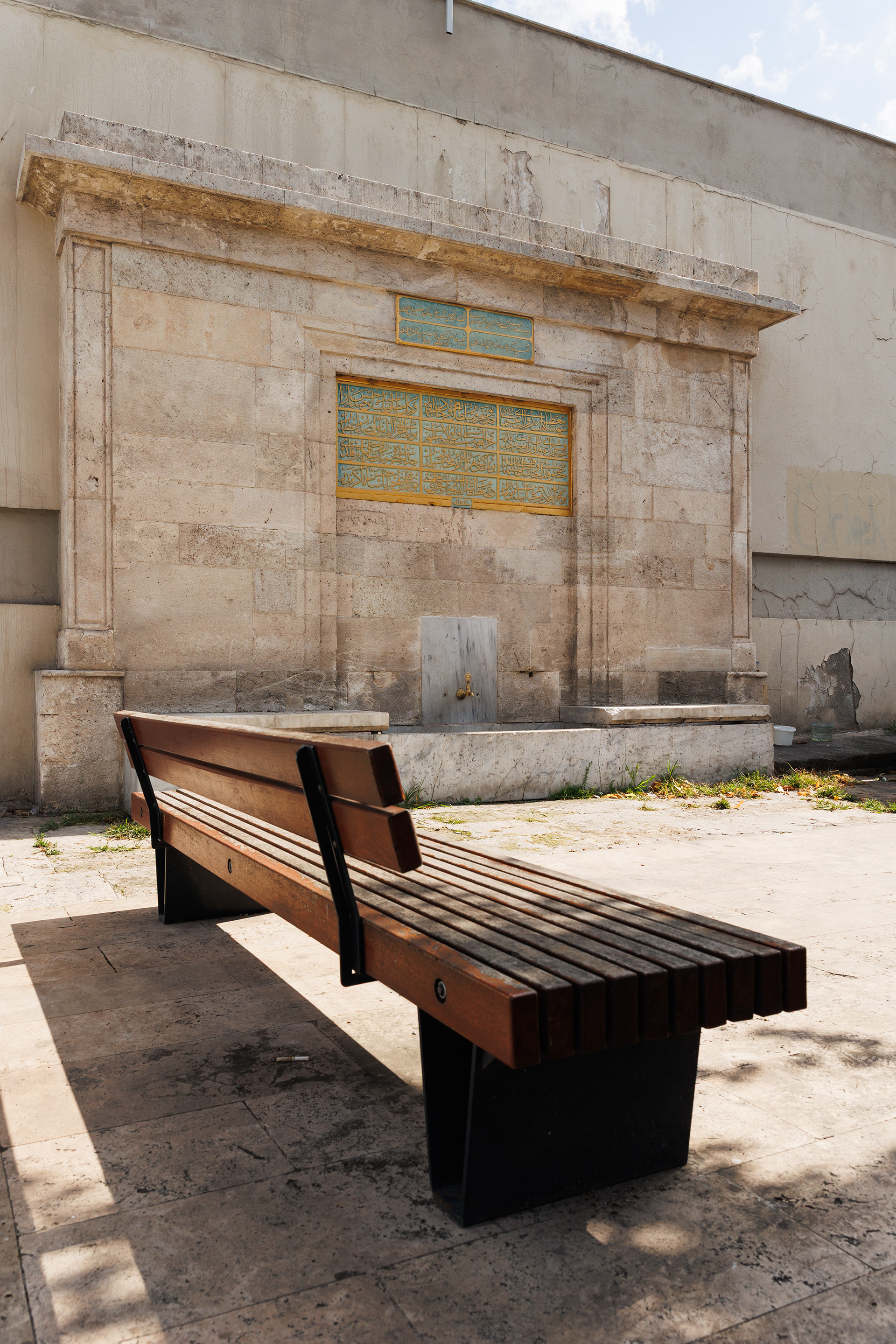
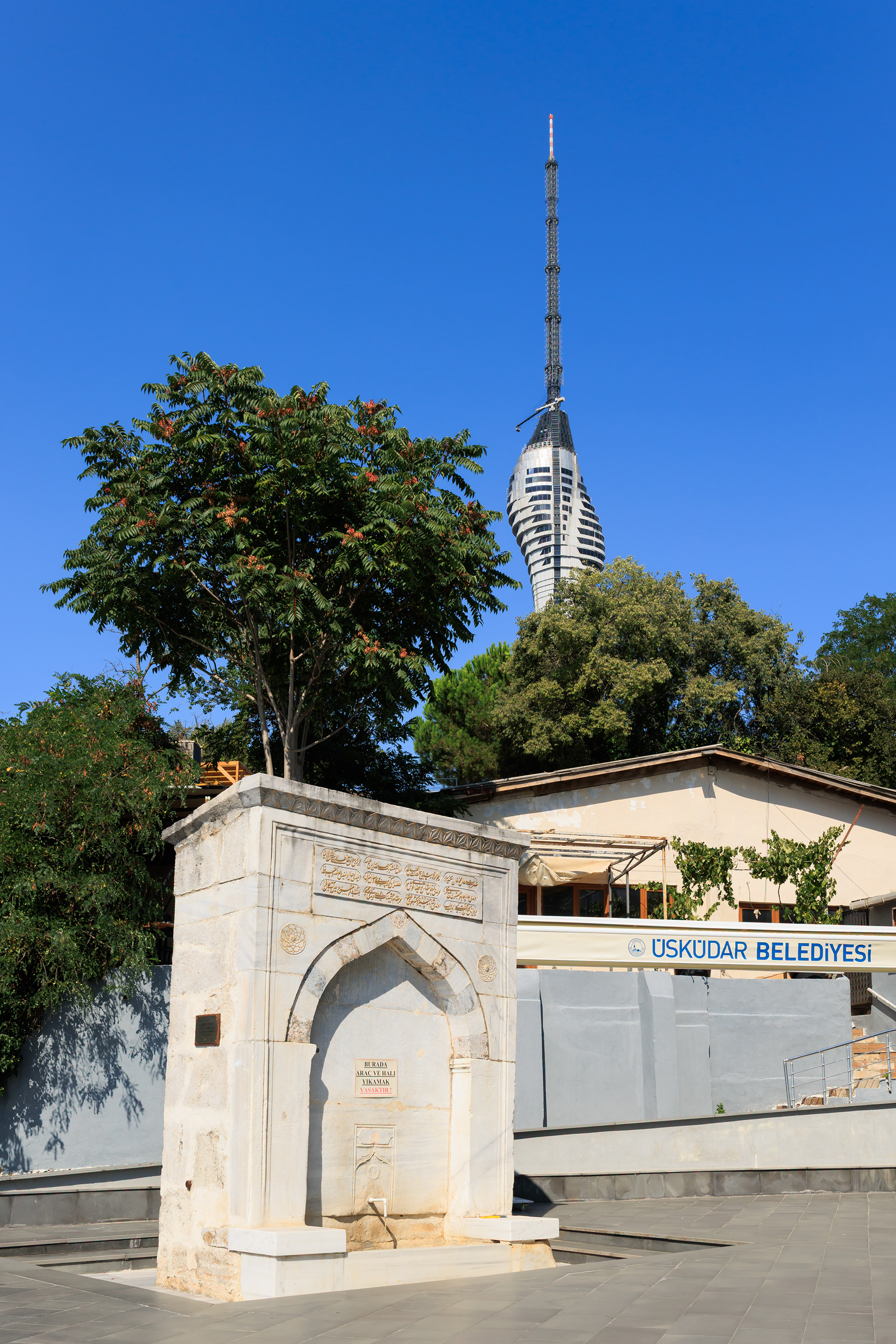
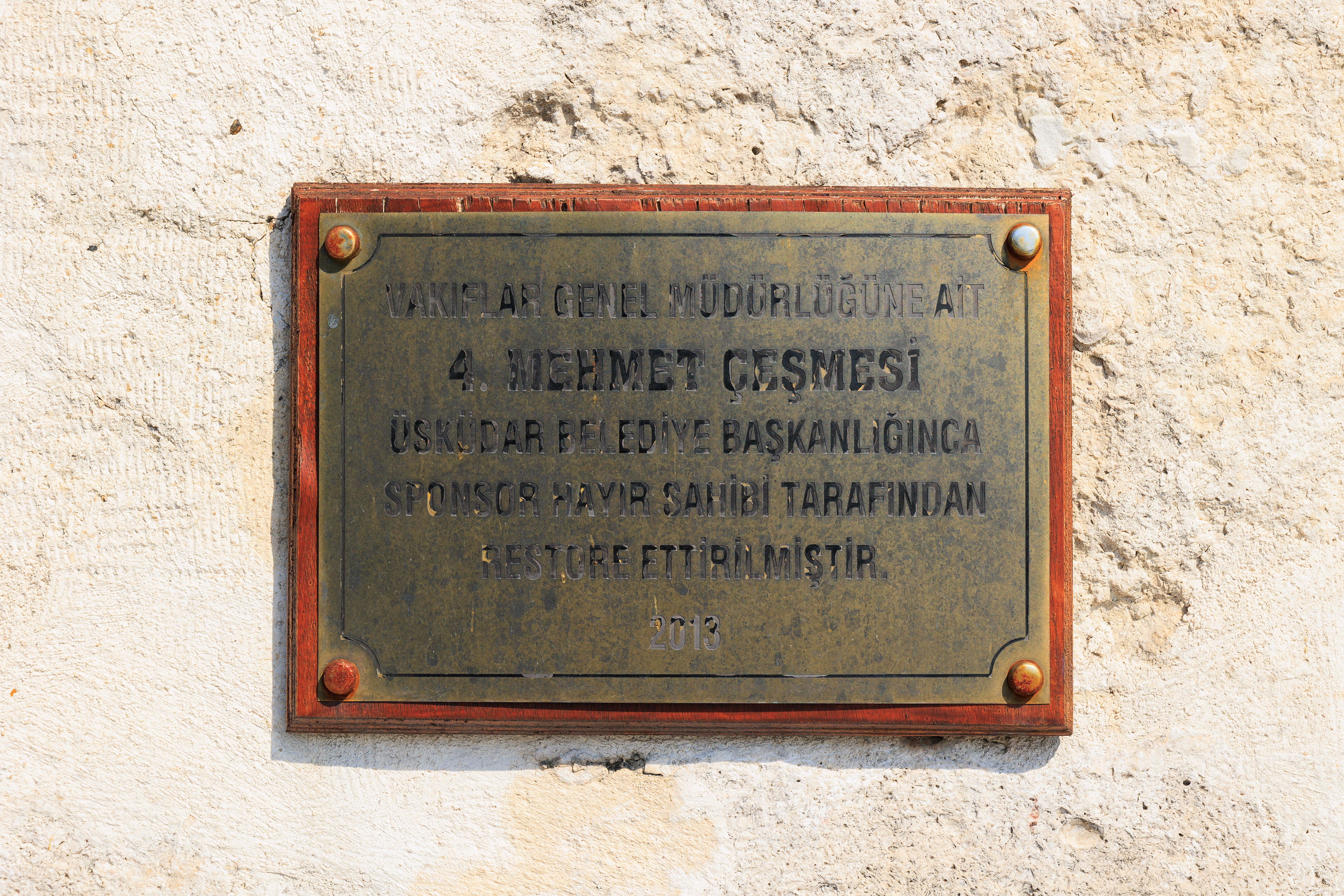
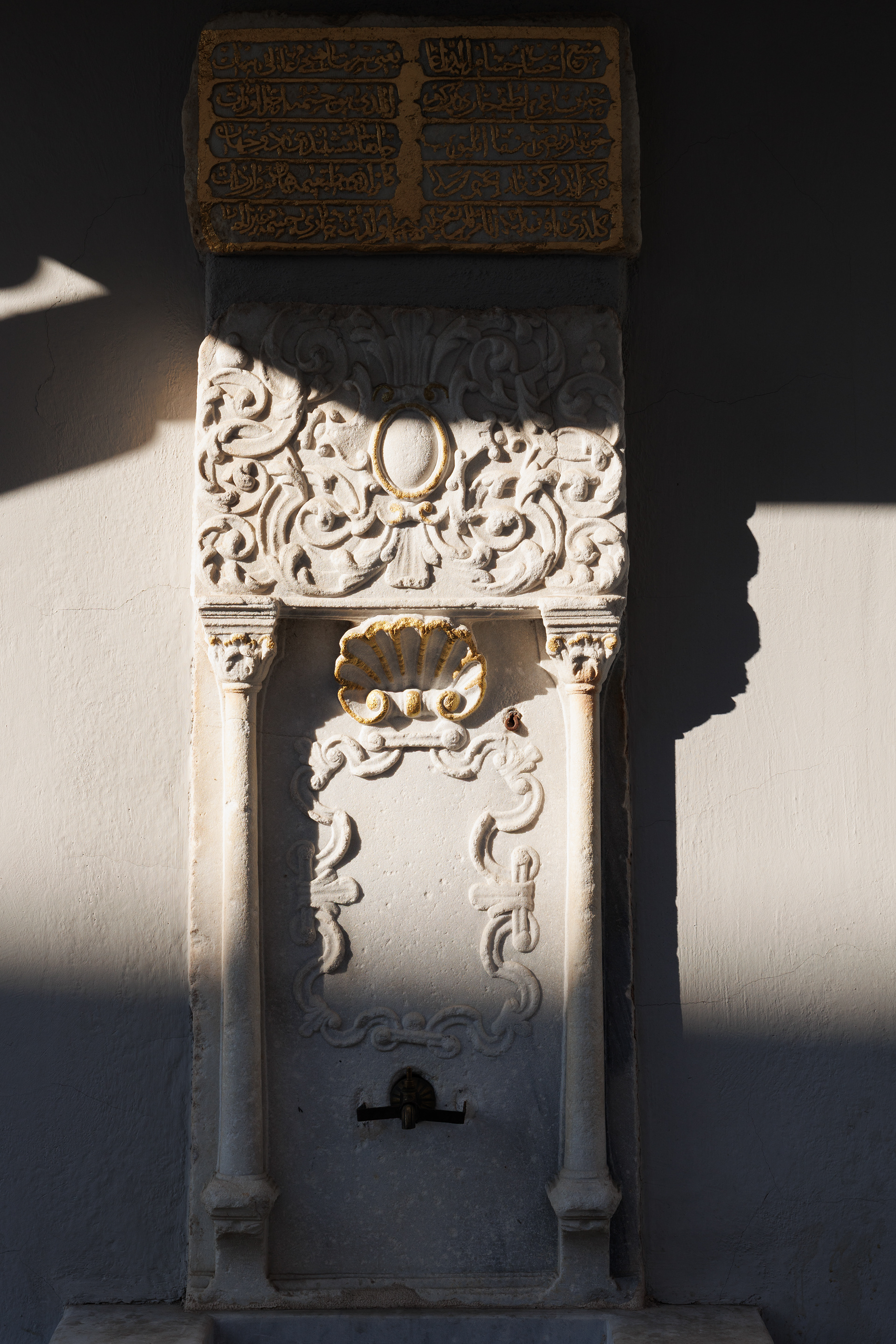
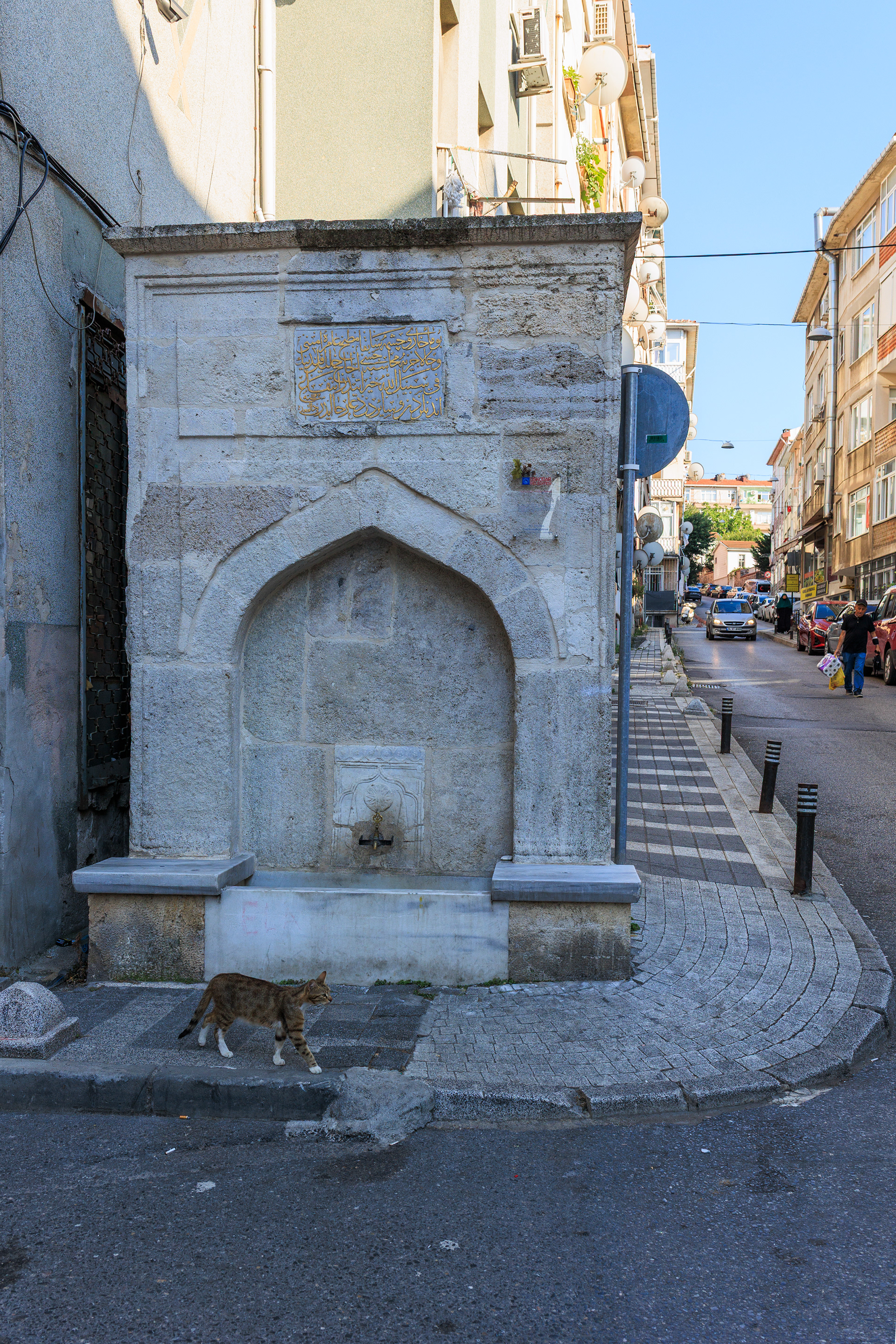
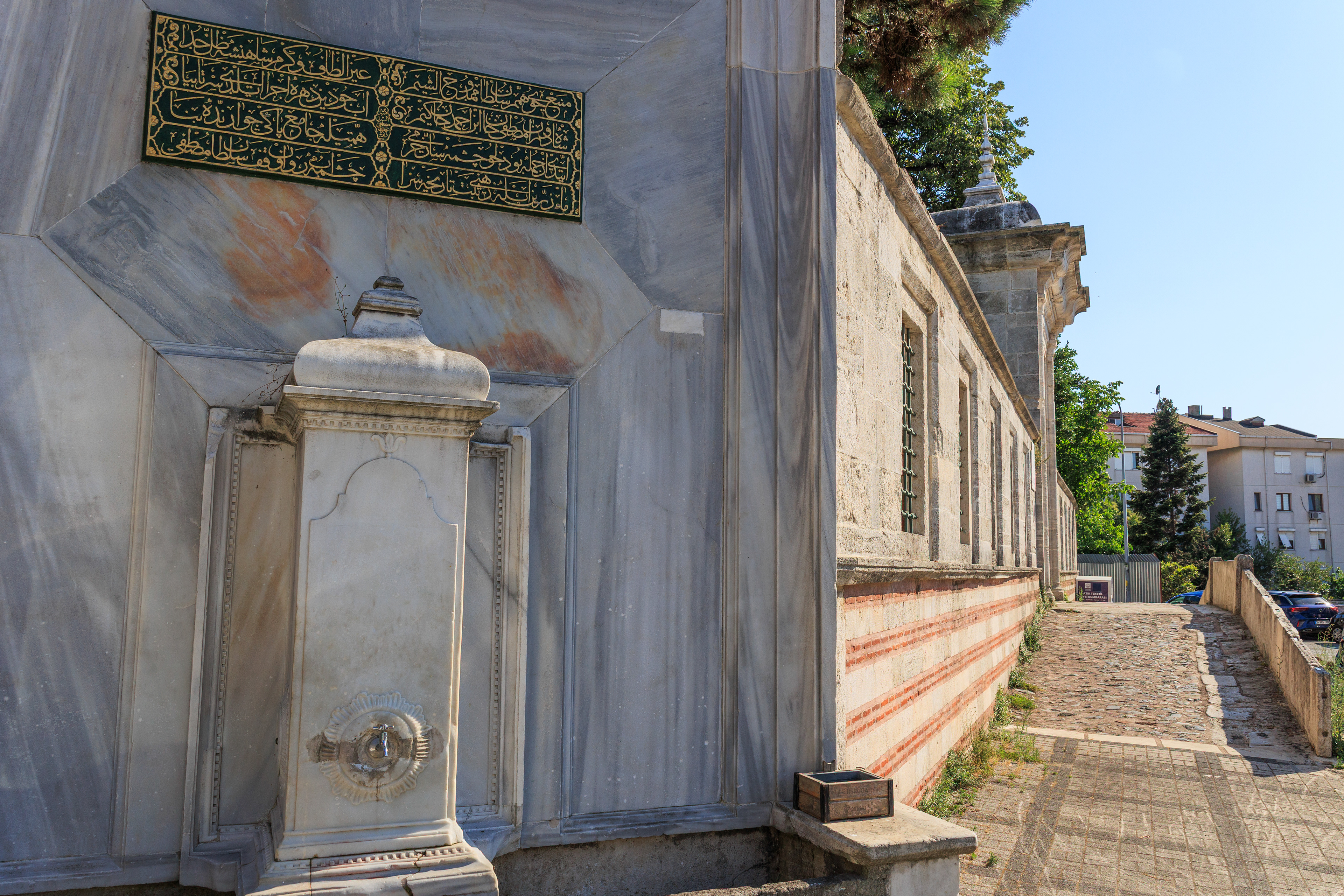
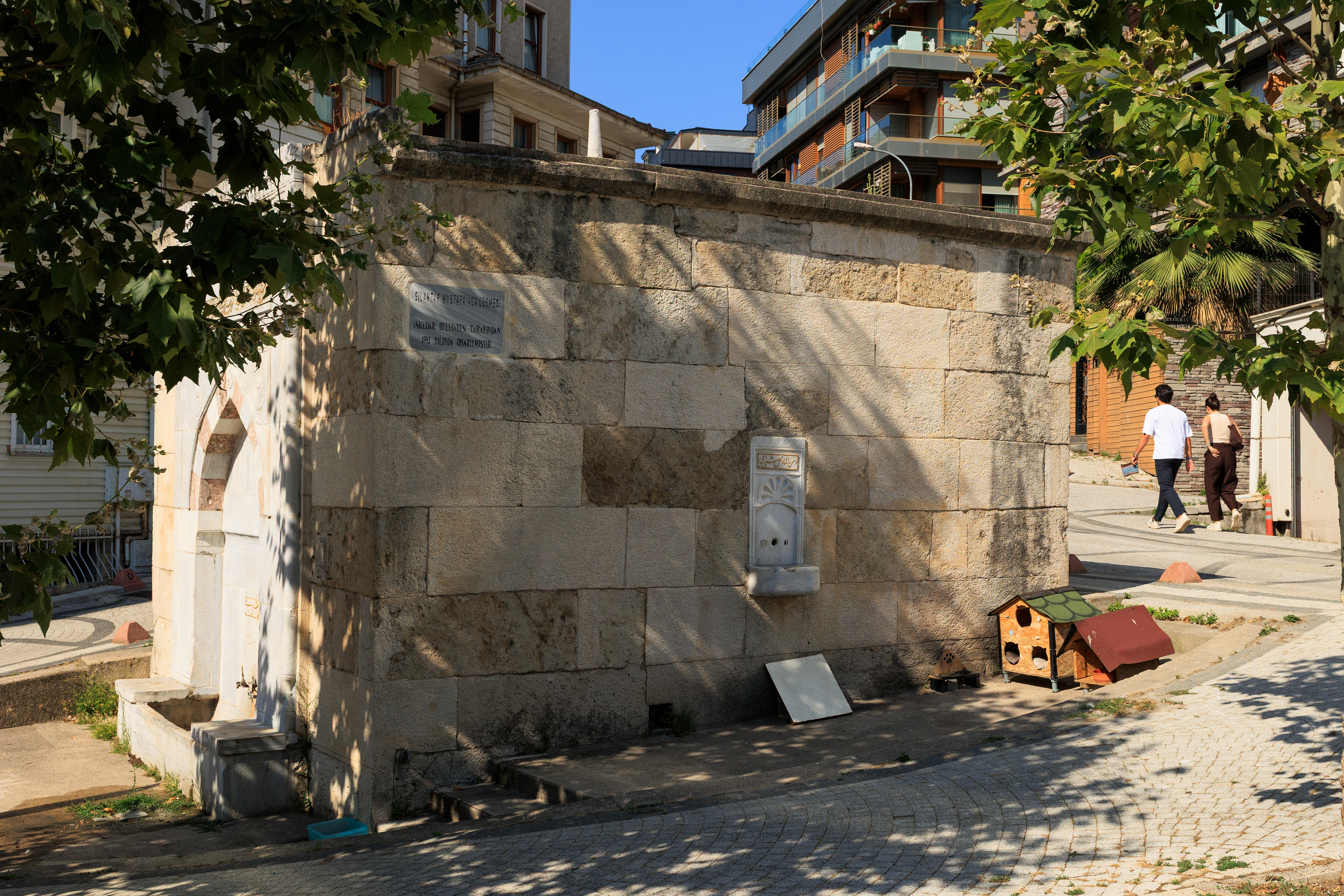
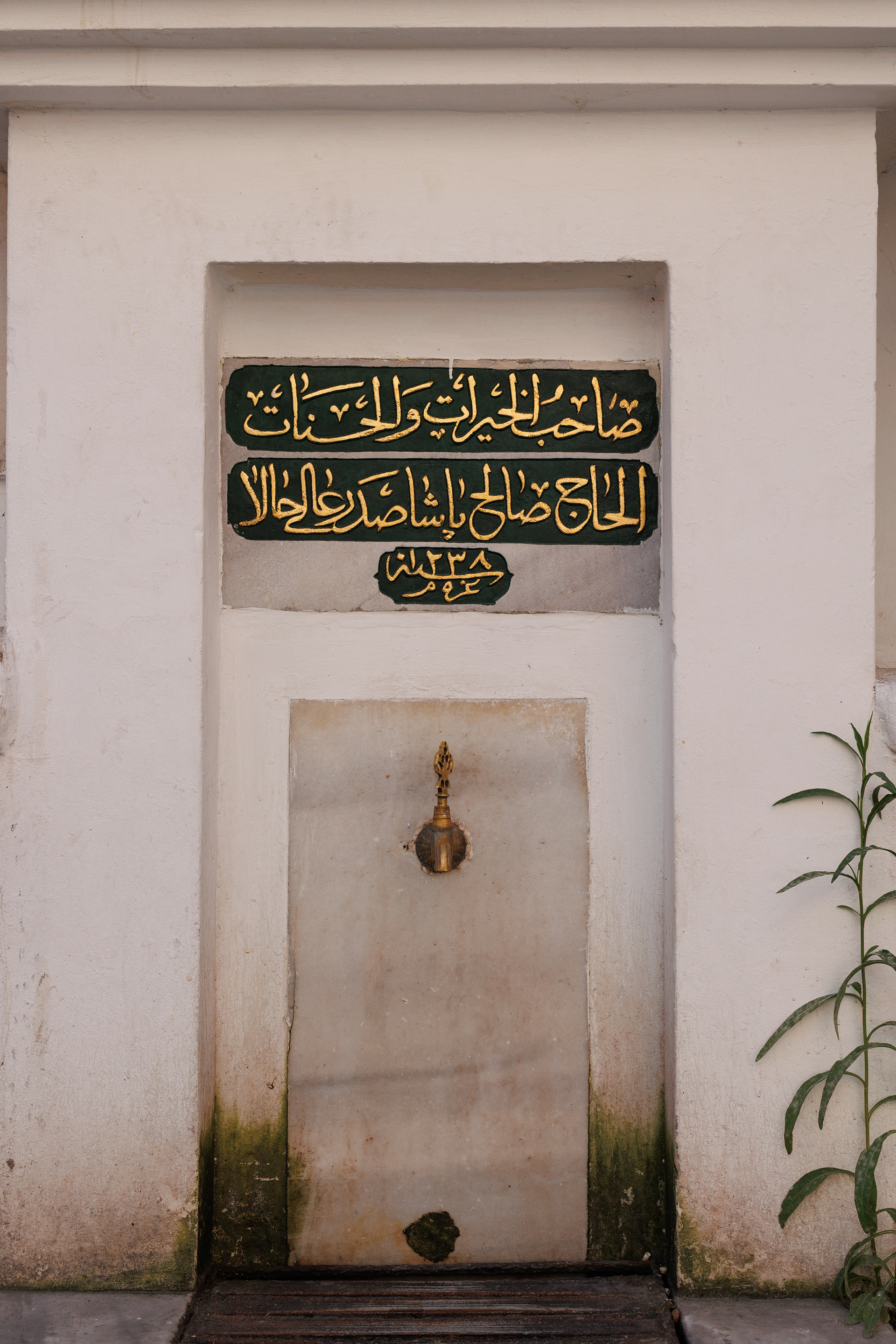
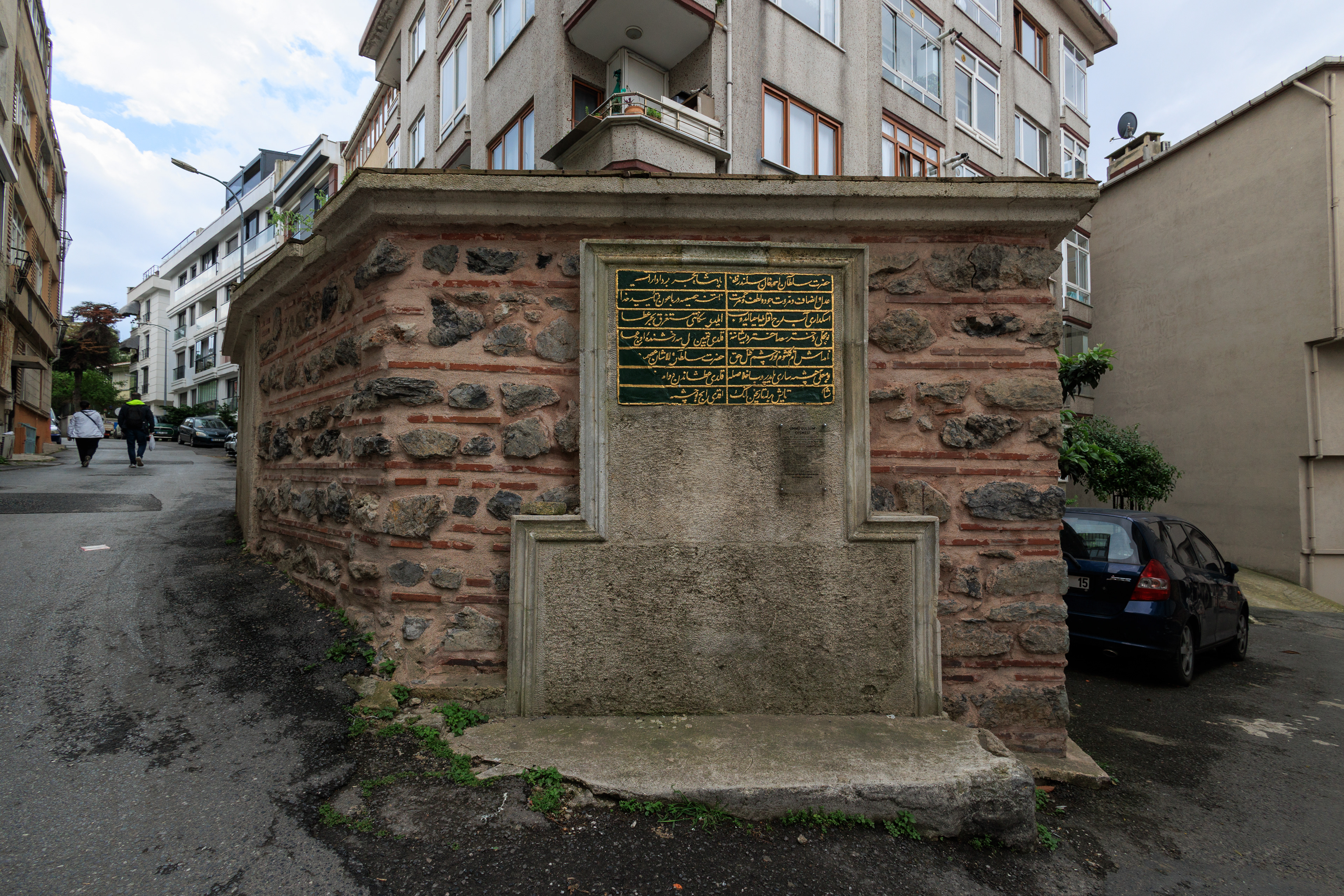
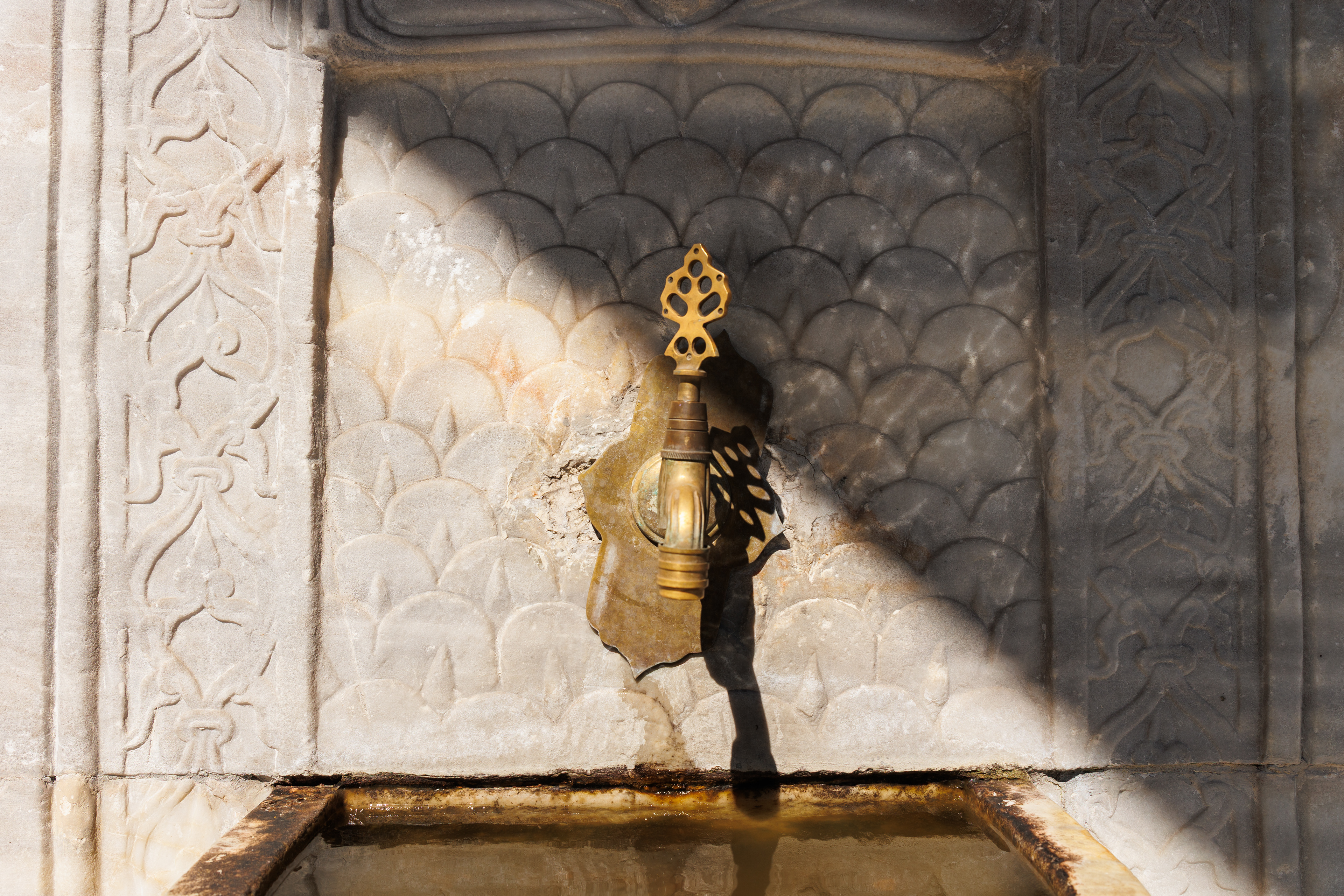
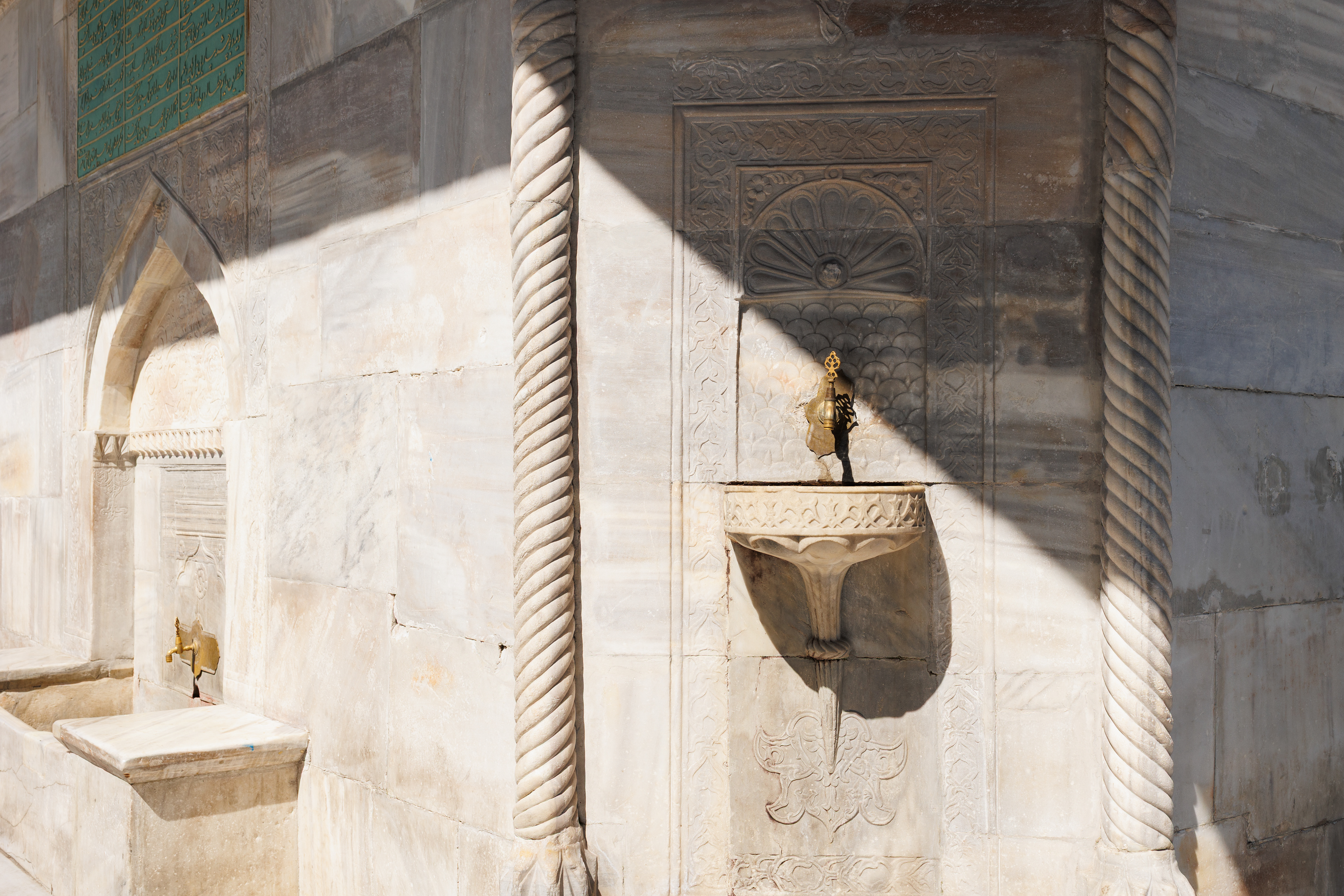
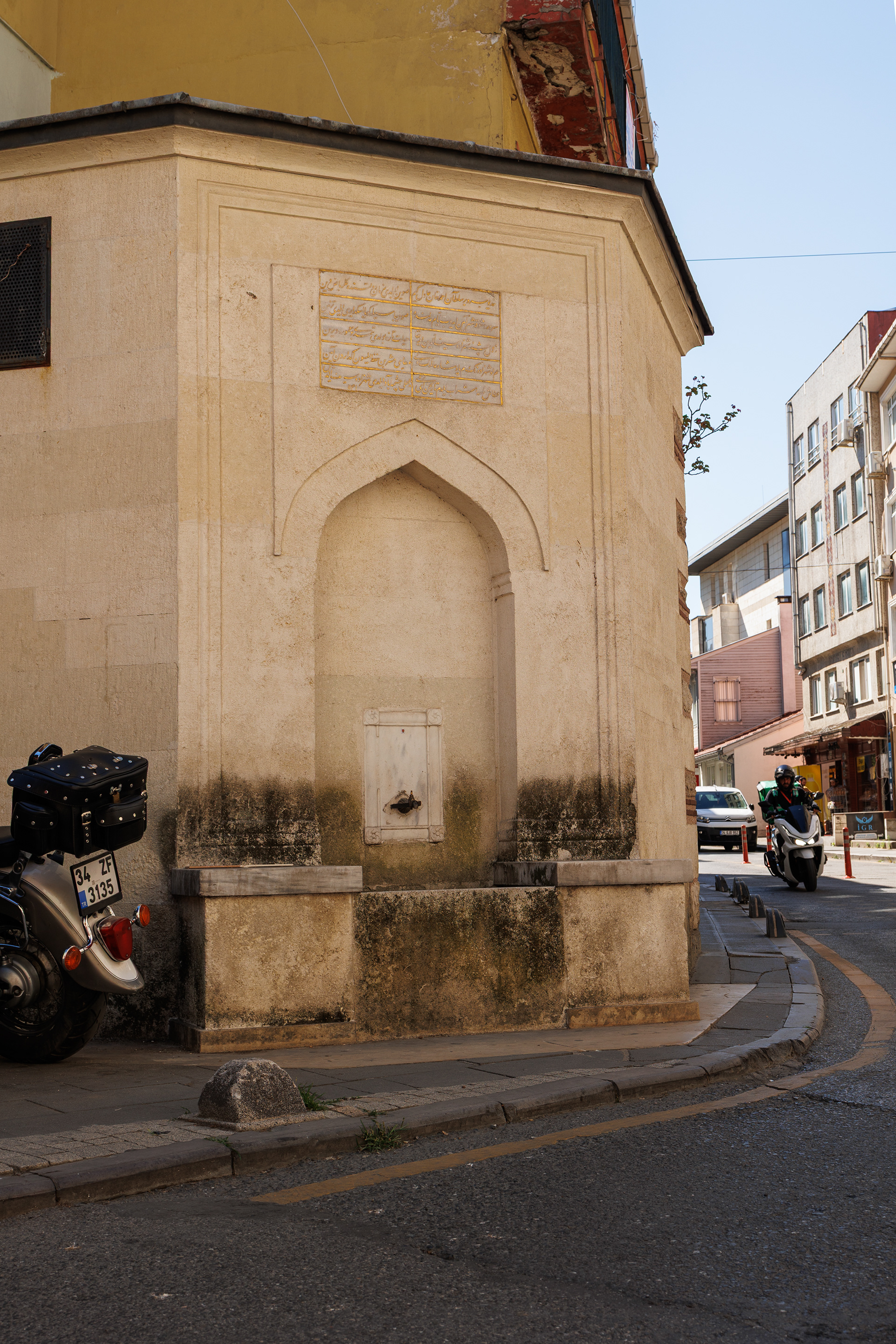
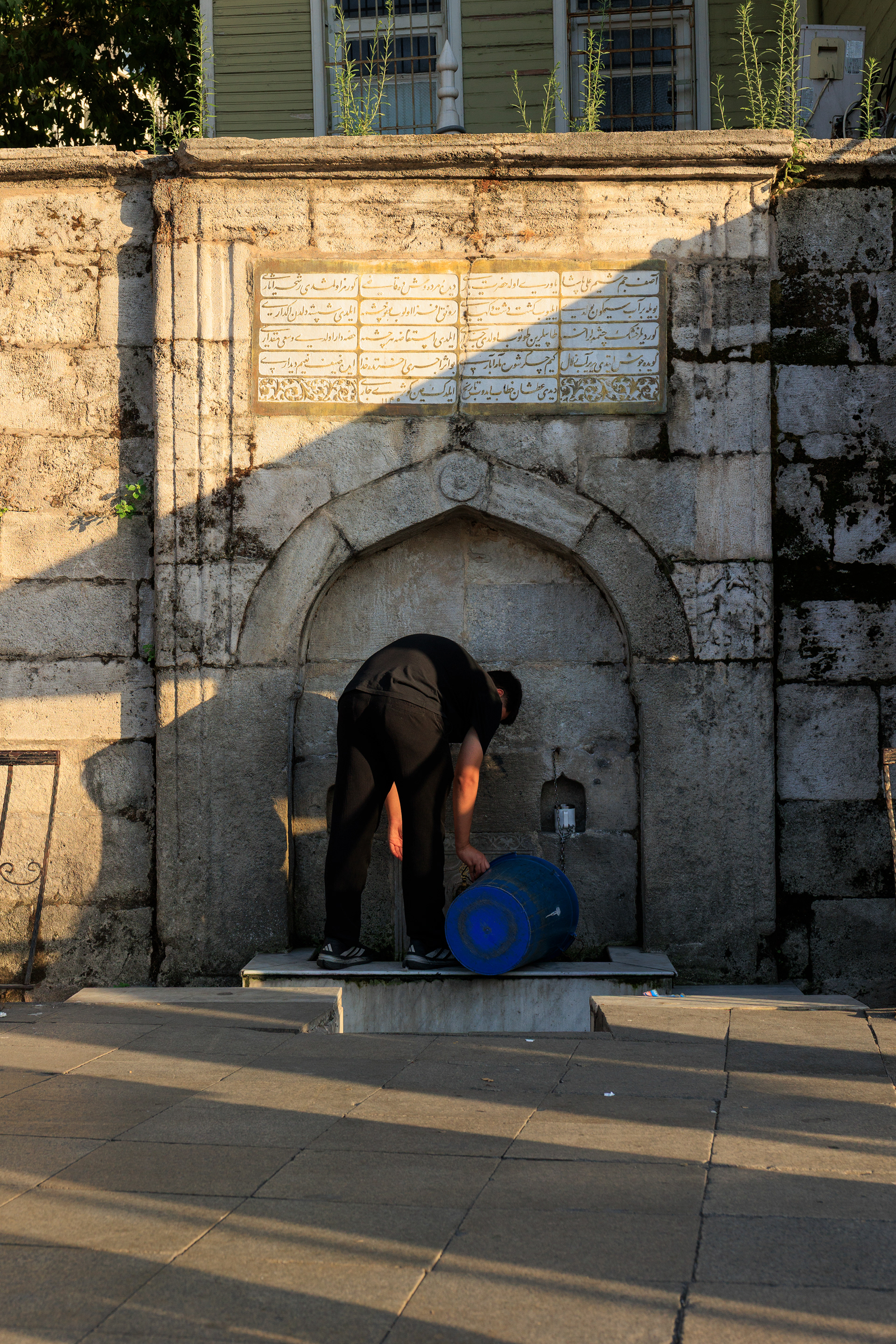
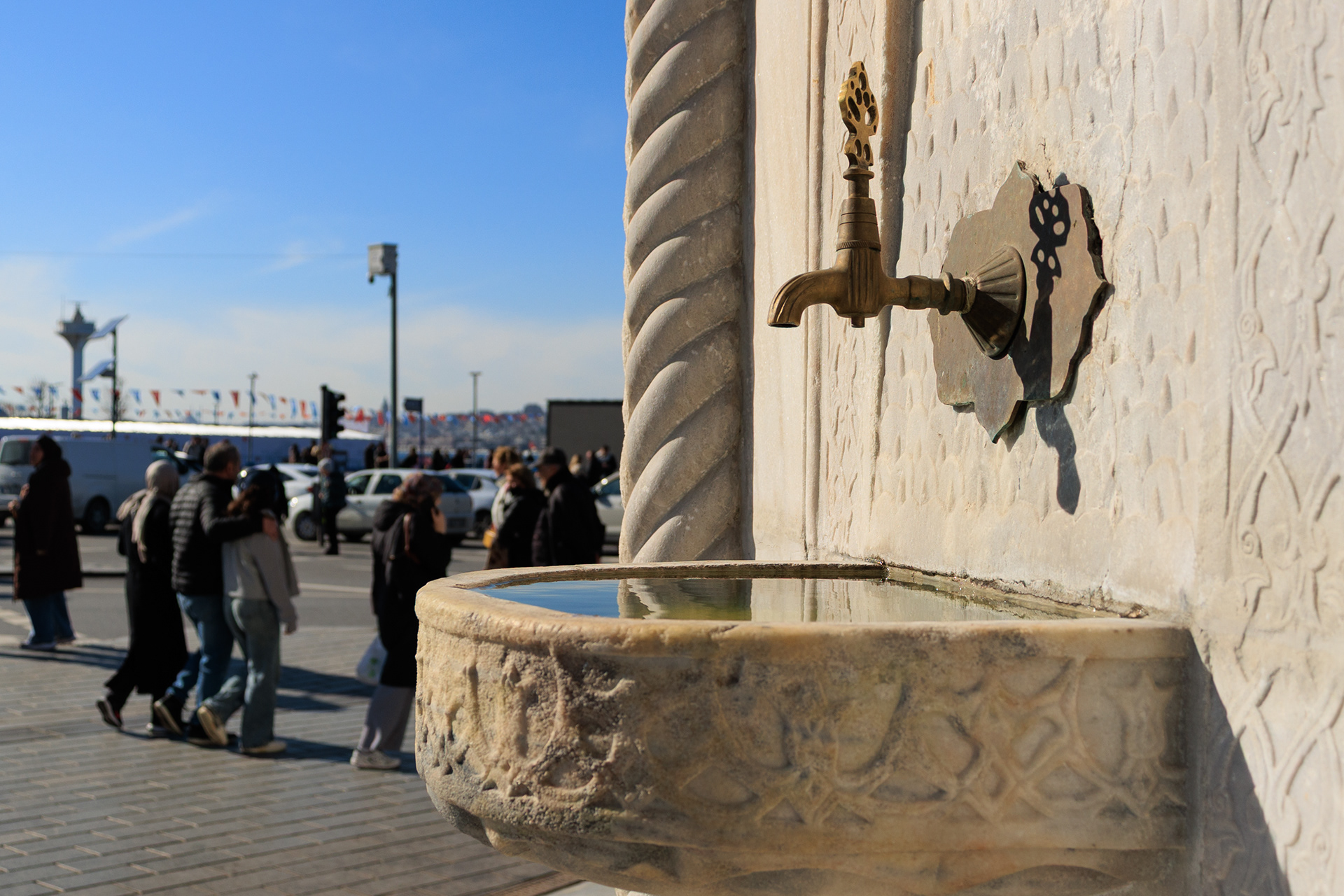
2026’nın 13 mayısında Üsküdar Belediyesi’nin İSKİ ile ortaklaşa düzenlediği “Suyun Hafızası” etkinliğine katılmaya karar vermiştim. Etkinlik bir rota üzerinden Üsküdar’ın su yollarını takip ederek sürdürülen bir tur niteliğindeydi. Etkinlikte rehber hanımefendinin söylediği bir cümle benim hafızama kazınmıştı ve bu belgesel fotoğraf projesinin başlangıç noktası oldu: “Suyun medeniyet haline gelmesi”. İstanbul’a su, kanallar ile Roma İmparatorluğu döneminde getirilmişti ancak suyu medeniyet haline yükselten Osmanlı İmparatorluğu idi. Günümüz konforunda pek farkında olmasakta suya adil erişim hakkı çok önemlidir. İstanbul’un fethi ile birlikte hayır sahipleri İstanbul’un dört bir tarafına yüzyıllar içinde yüzlerce çeşme yaptırdı ve toplumun rahatlıkla suya ulaşması sağlandı. Su medeniyeti kavramı elbette çok geniş bir kavram. Çeşmeler, kemerler, su yolları, sarnıçlar, şadırvanlar, hamamlar… Sadece çeşmeler bile bir belgesel projesinde tek tek anlatılamayacak kadar çok. Bugün bu çeşmelerin çoğu hala aktif, bazıları ise gözden uzakta kendi haline bırakılmış. Bazıları çok bakımlı iken, bazıları hor kullanılmış. Çeşmeler sadece su ihtiyacının karşılandığı yerler olarak görülmemiş, kimi zaman sıcakta bir gölgelenme yeri, kimi zaman saçaklarının altında bir mola yeri, bir başka zaman buluşmaların planlandığı bir işaret noktası olarak da işlev görmüş ve görmektedir. Bazı çeşmeler ise sebillerle birlikte inşa edilerek insanların ufak atıştırmalıklar ile zaman geçirdiği yerler olarak da hizmet etmişlerdir. Özellikle merkezi yerlerdeki kadim çeşmeler, mimari detayları ile yapıldığı dönemin zarif işçiliklerini yansıtan birer tarihi esere dönüşmüştür. Tarihi çeşmelerden bazıları ise özellikle at gibi binek hayvanları için yalak şeklinde tasarlanmıştır.
On May 13, 2026, I decided to attend an event titled “Memory of Water” organized by the Üsküdar Municipality in collaboration with İSKİ (Istanbul Water and Sewerage Administration). The event took the form of a tour that followed the historical water routes of Üsküdar. A sentence spoken by the female guide during the event etched itself into my memory and became the starting point for this documentary photography project: “transformation of water into civilization”. While water was first brought to Istanbul via channels during the Roman Empire; however, it was the Ottoman Empire that truly elevated water into civilization. Although we may not realize it in today's comfortable lives, the right to equitable access to water is very important. Following the conquest of Istanbul, benefactors had hundreds of fountains built across the city over the centuries, ensuring that the public could easily access water. The concept of “water civilization” is, of course, vast—encompassing fountains, aqueducts, water channels, cisterns, public baths, and shadirvans. Even the fountains alone are too numerous to be covered individually in a single documentary project. Today, most of these fountains are still active, while some have been left to their own devices, away from public view. Some are meticulously maintained, whereas others have suffered from neglect or misuse. Fountains were not just viewed merely as places to satisfy one’s thirst; they served—and continue to serve—as shaded retreats from the heat, resting spots beneath their eaves, and landmarks for arranging appointment. Some fountains were even built in conjunction with *sebils* (public kiosks for distributing water or beverages), serving as spaces where people could spend time while enjoying light refreshments. Particularly those located in central areas have evolved into historical monuments, their architectural details reflecting the elegant craftsmanship of the era in which they were built. Some historical fountains were designed with troughs, specifically to accommodate riding animals such as horses.